
Lipolysis vs Lipogenesis: Understanding Fat Breakdown and Fat Storage
Have you ever looked in the mirror after weeks of eating healthy or exercising and wondered why your body still seems to hold on to fat?
It can feel confusing.
Some days, your body seems to burn fat with ease.
Other days, it seems to store every extra calorie.
If you’ve asked yourself why this happens, you’re not alone.
The answer lies in two natural processes working inside your body every day. One helps break down stored fat to give you energy. The other stores extra energy for later use.
Understanding how these processes work can make weight management much easier to understand.
In this guide, you’ll learn the difference between lipolysis and lipogenesis, when each process happens, what controls them, and why both are essential for your overall health.
What Is Lipolysis?
Lipolysis is a natural metabolic process in which the body breaks down stored fat into fatty acids and glycerol. These molecules are released into the bloodstream and used as energy when the body needs fuel.
Lipolysis mainly occurs in adipose tissue, where fat is stored. It becomes more active during fasting, exercise, or between meals and is regulated by hormones such as adrenaline, glucagon, and insulin.
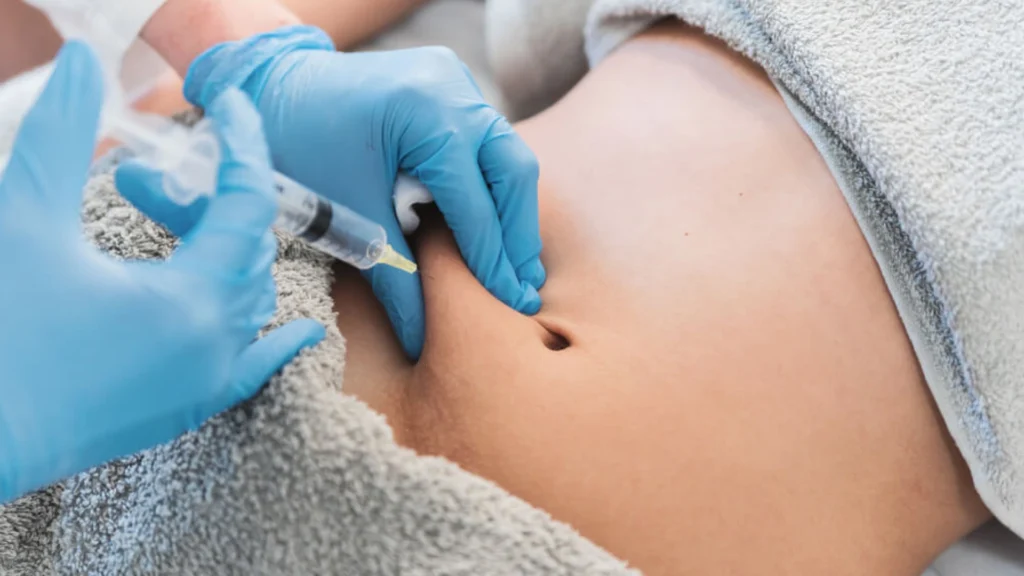
In aesthetic medicine, lipolysis treatment refers to non-surgical methods that target small fat deposits. This is different from natural lipolysis in the body but uses the same term to describe fat reduction procedures.
What Is Lipogenesis?
Lipogenesis is the opposite side of your body’s energy management system. Instead of breaking down fat, it converts excess calories into stored fat for future use.
After eating, especially meals that provide more energy than your body immediately needs, insulin signals the body to store the surplus. Excess carbohydrates, along with other unused calories, are converted into fatty acids and eventually stored as triglycerides inside fat cells.
Although many people associate fat storage with weight gain, lipogenesis is a completely normal and necessary biological process. It allows the body to build energy reserves that can later be used through lipolysis when food is unavailable or energy needs increase.
Rather than viewing lipogenesis as “good” or “bad” it’s more accurate to think of it as an essential part of a healthy metabolism. Together, lipogenesis or lipolysis work as a balanced system that helps regulate energy, support daily body functions, and maintain overall metabolic stability.
Lipolysis vs Lipogenesis: Understanding the Key Differences
Lipolysis and lipogenesis are closely connected, they serve different purposes in the body. Comparing them side by side makes it easier to see when each process occurs, what influences it, and how both contribute to normal metabolic function.
Purpose, and Metabolic Role

Lipolysis supports normal body function by making stored nutrients available when the body’s fuel demands increase. The fatty acids released during this process are transported to tissues such as the muscles and heart, where they help support normal cellular activity.
Lipogenesis serves as the body’s nutrient-storage pathway by converting surplus nutrients into long-term reserves for future use. Its activity increases after meals when nutrient availability exceeds the body’s immediate requirements.
Together, they help the body adapt to changing nutritional and physiological conditions. Their activity is influenced by hormones, food intake, physical activity, and overall health, allowing the body to regulate nutrient use and storage efficiently.
Catabolic vs Anabolic Process
Another important difference between lipolysis and lipogenesis lies in the type of metabolic process each represents.
Lipolysis is a catabolic process, meaning it breaks larger molecules into smaller ones to release energy. Stored fat is converted into usable fuel that helps power everyday activities and physical movement.
Lipogenesis is an anabolic process that builds larger molecules from smaller ones. Instead of producing energy immediately, it stores excess nutrients as body fat for future needs.
These two pathways constantly alternate depending on your body’s energy requirements.
Starting Molecules, End Products, and Biochemical Pathway
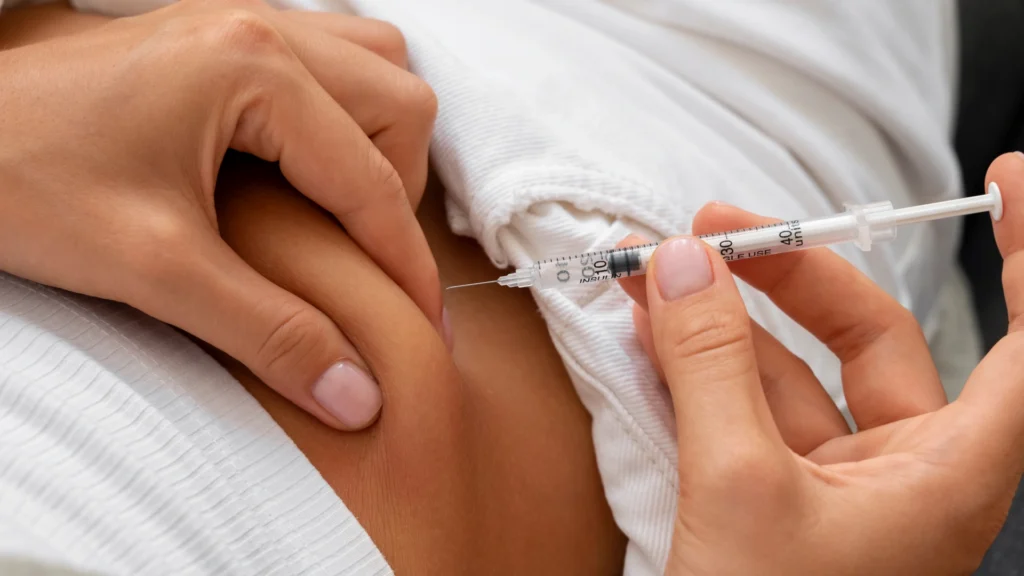
Lipolysis begins with triglycerides stored inside fat cells. Through enzyme activity, these molecules are broken down into fatty acids and glycerol, which are released into the bloodstream for use by different tissues.
Lipogenesis starts with excess glucose and other nutrients that are converted into fatty acids before being assembled into triglycerides for long-term storage. Although both pathways involve triglycerides, they follow opposite biochemical directions and are activated under different physiological conditions.
Flow of Process:
- Lipolysis: Triglycerides → Fatty acids + Glycerol
- Lipogenesis: Glucose → Fatty acids → Triglycerides
The lipolysis vs lipogenesis difference is clear, one process releases energy, while the other stores it.
Site of Action and Cellular Location
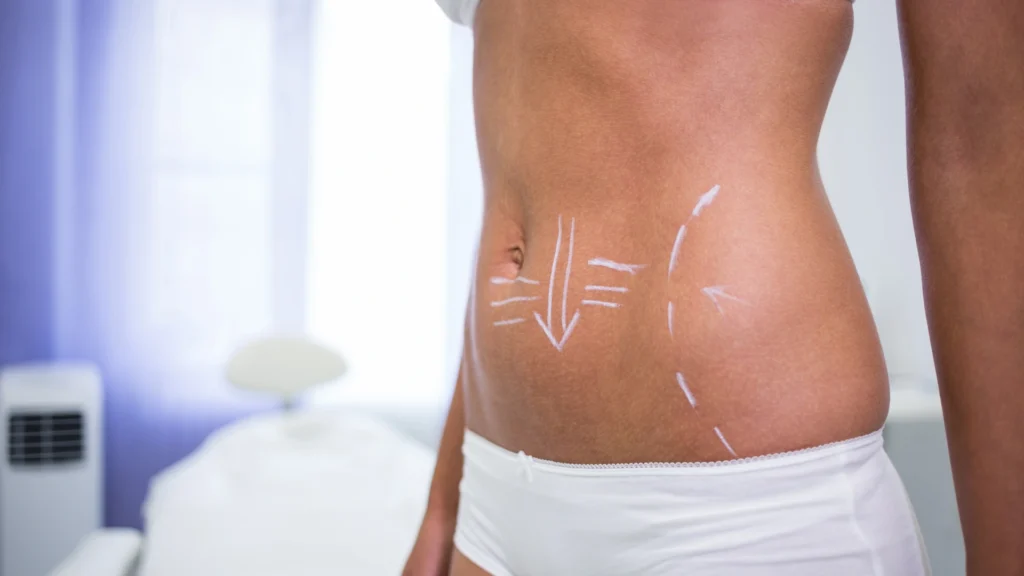
Adipose tissue lipolysis primarily takes place in fat cells, where stored triglycerides are accessed when the body requires additional fuel. Once activated, the products of this process are transported to other tissues, including the muscles and heart, to support normal physiological functions.
Lipogenesis occurs mainly in the liver and adipose tissue, where excess nutrients are processed and prepared for long-term storage. Its activity typically increases after meals when nutrient availability is high.
At the cellular level, both lipolysis and lipogenesis pathways occur in the cytoplasm, but they are activated under different metabolic conditions and serve distinct physiological roles based on the body’s nutritional state.
Hormonal and Enzymatic Regulation
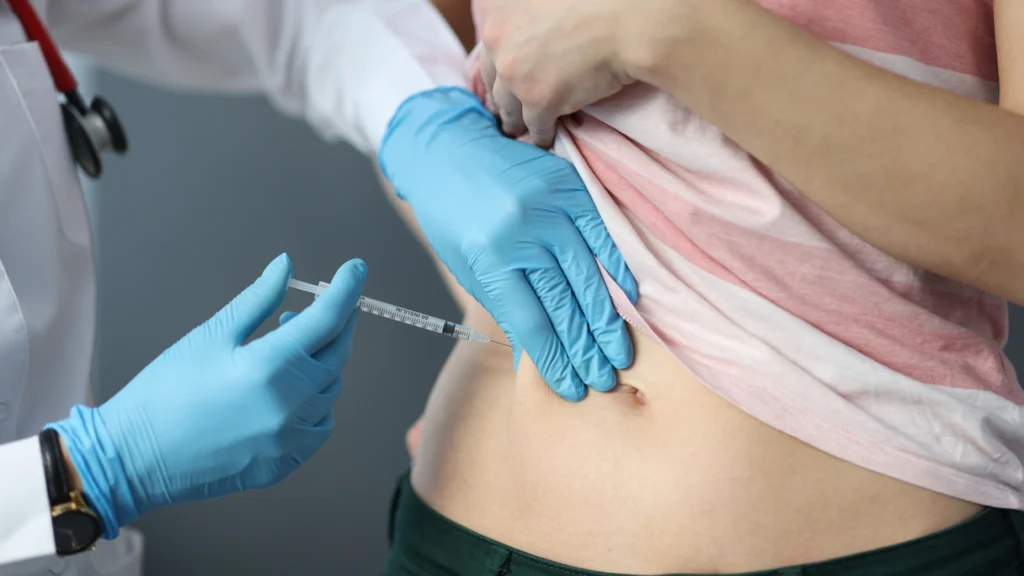
Hormones and enzymes regulate when the body shifts between nutrient utilization and nutrient storage. Their activity changes throughout the day in response to food intake, physical activity, and the body’s physiological needs.
Lipolysis
Lipolysis is activated under conditions that increase the body’s need for stored fuel.
- More active during fasting and physical activity
- Stimulated by adrenaline, glucagon, and cortisol
- Suppressed when insulin levels are high
- Primarily regulated by hormone-sensitive lipase (HSL)
- Supports the mobilization of stored fatty acids
Together, these signals help determine when stored fat becomes available for use.
Lipogenesis
Lipogenesis becomes more active when nutrients are readily available after eating.
- More active after meals
- Primarily stimulated by insulin
- Regulated by fatty acid synthase (FAS)
- Promotes the production of fatty acids from excess nutrients
- Supports the formation of long-term nutrient reserves
Together, both regulatory signals help the body respond efficiently to changing nutritional conditions while maintaining normal metabolic function.
Lipogenesis vs Lipolysis: Quick Comparison
The table below compares lipolysis and lipogenesis across their function, regulation, location, and physiological role, making it easier to see how these pathways differ.
| Feature | Lipolysis | Lipogenesis |
| Primary Function | Breaks down stored fat for energy | Stores excess energy as fat |
| Metabolic Role | Fat-burning process | Fat-storage process |
| Trigger | Low insulin, fasting, exercise | High insulin after eating |
| Energy State | Calorie deficit | Calorie surplus |
| Most Active | During fasting, workouts, and between meals | After meals and periods of overeating |
| Main Location | Fat cells (adipose tissue) | Liver and adipose tissue |
| End Result | Fatty acids and glycerol released for energy | Triglycerides stored for future use |
| Process Type | Catabolic | Anabolic |
These pathways serve different purposes, both are essential for normal metabolic function. Their activity changes throughout the day in response to nutrient availability, hormone signals, and the body’s physiological needs.
When Does Each Process Occur in Lipolysis and Lipogenesis?

Lipolysis and lipogenesis don’t operate on a fixed schedule. Instead, your body switches between them throughout the day based on your eating patterns, activity level, and energy requirements.
Lipolysis Is More Active When:
- You’re exercising or physically active.
- You’re fasting between meals.
- You’re sleeping overnight.
- Your calorie intake is lower than your energy expenditure.
- Blood insulin levels are relatively low.
During these situations, stored fat becomes an important source of energy, helping maintain normal body function until food is available again.
Lipogenesis Is More Active When:
- You’ve recently eaten a meal.
- Calorie intake exceeds your body’s immediate needs.
- Insulin levels rise after consuming carbohydrates.
- Energy demand is relatively low.
- Instead of wasting excess nutrients, the body stores them efficiently for future use.
Throughout the day, these two processes continuously alternate to maintain a steady energy supply. This natural cycle is an essential part of healthy metabolism and helps the body adapt to changing energy demands.
Factors That Influence Lipolysis or Lipogenesis

The balance between lipolysis and lipogenesis is not random. It is controlled by several daily factors that affect how the body uses energy or stores it as fat.
- Hormones are the main control system, with insulin encouraging fat storage while adrenaline and glucagon support fat breakdown.
- Physical activity increases energy demand, making the body rely more on stored fat through lipolysis.
- A sedentary lifestyle reduces energy use, which can lead to more fat storage through lipogenesis.
- Calorie intake also plays a key role, as higher intake promotes storage while controlled intake supports fat use.
- Food quality matters, especially diets high in sugar or refined carbs, which can increase fat storage activity.
- Sleep patterns influence hormonal balance, affecting how efficiently the body switches between both processes.
- Stress levels can also impact metabolism by altering hormone activity linked to fat regulation.
Overall, these factors work together to decide whether the body focuses more on burning stored fat or storing excess energy.
Lipogenesis vs Lipolysis: Which Process Supports Fat Loss?
Lipogenesis supports energy storage by converting excess nutrients into fat when more fuel is available than needed. This helps the body build reserves for future use, especially after meals.
Lipolysis supports fat loss by allowing the body to access stored energy when demand increases. During the lipolysis process, fat stored in cells is broken down into usable fuel, which helps power movement, exercise, and daily activities. It becomes more active when energy intake is lower than what the body requires, encouraging the use of existing fat reserves instead of new energy storage.
Body fat levels depend on how often stored energy is used compared to how often extra energy is stored. A lifestyle that includes regular activity and balanced calorie intake encourages greater use of stored fat over time, supporting better metabolic balance and gradual fat reduction.
Start Making Smarter Health Choices for a Better Tomorrow
Understanding how lipolysis and lipogenesis work makes it easier to see how the body naturally manages energy. One process helps release stored fat when fuel is needed, while the other stores extra energy for future use. Together, they keep metabolism balanced and support steady energy levels throughout the day.
Simple lifestyle habits like balanced eating, regular movement, and proper sleep can support this natural cycle. Over time, these choices help the body use and store energy more efficiently without extreme changes.

At The Beauty Lounge Toronto, personalized wellness care and advanced lipolysis treatments are available to support your natural body goals with professional care in a calm environment.
Book your consultation today and take the next step toward improved confidence and overall wellness.
FAQs
Yes. Dehydration can influence both processes by slowing overall metabolism. When the body lacks enough water, energy production becomes less efficient. Lipolysis may reduce because fat breakdown requires proper cellular function and circulation. At the same time, stress signals may increase, which can indirectly encourage fat storage through lipogenesis. Proper hydration helps maintain a balanced metabolic environment.
Yes, there are differences due to hormones. Men generally have higher muscle mass, which can support faster lipolysis and energy use. Women naturally have higher fat storage capacity influenced by estrogen, which can slightly increase lipogenesis. However, lifestyle, diet, and activity level have a much stronger impact than gender alone in both processes.
Balancing these processes is essential because it ensures the body has steady energy without excessive fat gain or depletion. Lipolysis provides fuel when needed, while lipogenesis stores energy for future use. When balanced, metabolism stays stable, energy levels remain consistent, and body composition is better regulated over time.
Yes. Chronic stress increases cortisol levels, which can disrupt normal metabolic balance. It may reduce efficient lipolysis and encourage fat storage through lipogenesis, especially around the abdominal area. Long-term stress can also affect insulin response, making energy regulation less stable. Managing stress supports healthier fat metabolism and better overall energy control.