
Adipose Tissue Lipolysis: Complete Guide to Fat Breakdown and Treatment Options

Have you ever wondered why some areas of fat seem to shrink with diet and exercise while others barely change?
Or
Why can two people follow similar routines and see completely different results?
Much of it comes down to what is happening inside fat tissue. Rather than simply storing excess calories, adipose tissue is constantly responding to the body’s needs. It stores energy when it’s available and releases it when fuel is needed, influenced by hormones, food intake, physical activity, and other metabolic signals.
This fat-releasing process is known as adipose tissue lipolysis and forms the biological foundation behind modern lipolysis treatment approaches.
Understanding how adipocyte lipolysis works can help explain stubborn fat deposits, differences in fat loss, and the factors that may either support or slow fat breakdown. It has also contributed to the development of non-surgical body contouring treatments, including lipolysis injections used to target small, localized pockets of fat.
What is Adipose Tissue?

Adipose tissue, commonly known as body fat, is a specialized connective tissue made up primarily of fat cells called adipocytes. Its main role is to store energy in the form of triglycerides, which the body can use as fuel when needed.
Beyond energy storage, adipose tissue also helps cushion internal organs, insulate the body against heat loss, and produce hormones and signaling molecules involved in appetite, metabolism, and inflammation. Depending on its location and function, adipose tissue can be classified as white, brown, or beige fat.
What Is Adipose Tissue Lipolysis?

Adipose tissue lipolysis is the process by which stored triglycerides inside adipocytes are broken down into fatty acids and glycerol for energy use. The body relies on this process during periods of increased energy demand, such as exercise, fasting, or calorie restriction.
Lipolysis in adipose tissue is influenced by several factors, including hormones, insulin levels, physical activity, and overall metabolic health. The efficiency of adipocyte lipolysis can vary from person to person, which may partly explain differences in fat distribution and how easily certain areas respond to weight loss efforts.
Understanding adipose tissue lipolysis has also helped inform non-surgical fat reduction treatments designed to address small pockets of stubborn fat.
Types of Adipose Tissue and Their Role in Lipolysis

Not all body fat serves the same purpose. Adipose tissue can be divided into three main types, each with distinct functions and varying levels of metabolic activity. These differences can influence how efficiently stored fat is broken down and used for energy.
White Adipose Tissue and Lipolysis
White adipose tissue is the body’s primary fat storage site and the most abundant type of adipose tissue in adults. Lipolysis in white adipocytes plays an important role in releasing stored fatty acids when the body requires energy.
Most discussions about adipocyte lipolysis and fat loss focus on white adipose tissue because it is responsible for the stubborn fat deposits commonly found around the abdomen, hips, thighs, and under the chin.
The efficiency of lipolysis in white adipose tissue can be affected by hormones, insulin sensitivity, and lifestyle factors such as diet and exercise.
Brown Adipose Tissue and Lipolysis
Brown adipose tissue is metabolically active and specializes in generating heat rather than storing large amounts of fat. It contains numerous mitochondria, which give it its darker appearance and allow it to burn fatty acids to help maintain body temperature.
Lipolysis in brown adipose tissue tends to occur more readily because the released fatty acids are quickly used to produce heat, particularly during exposure to cold temperatures.
Although adults have smaller amounts of brown fat than infants, researchers continue to study its potential role in supporting energy expenditure and metabolic health.
Beige Adipose Tissue and Metabolic Activity
Beige adipose tissue has characteristics of both white and brown fat. Under certain conditions, such as cold exposure or specific hormonal signals, some white fat cells can take on brown fat-like properties and become more metabolically active.
While research is ongoing, scientists believe beige fat may contribute to enhanced lipolysis in adipose tissue and improved energy utilization. However, its exact role in long-term fat reduction and weight management is still being explored.
How Does Lipolysis in Adipose Tissue Work?
Adipose tissue lipolysis is the lipolysis process of breaking down stored fat so the body can use it as energy. It takes place inside adipocytes, where triglycerides stored within fat droplets are gradually broken down into fatty acids and glycerol. These substances are then released into the bloodstream and transported to tissues that need fuel, such as muscles and the liver.
Lipolysis of adipose tissue is not constantly active. Instead, the body turns the process on or off depending on its energy needs. When more fuel is required, fat breakdown increases. When energy is readily available, fat storage becomes the priority.
Adipocytes Store and Release Energy
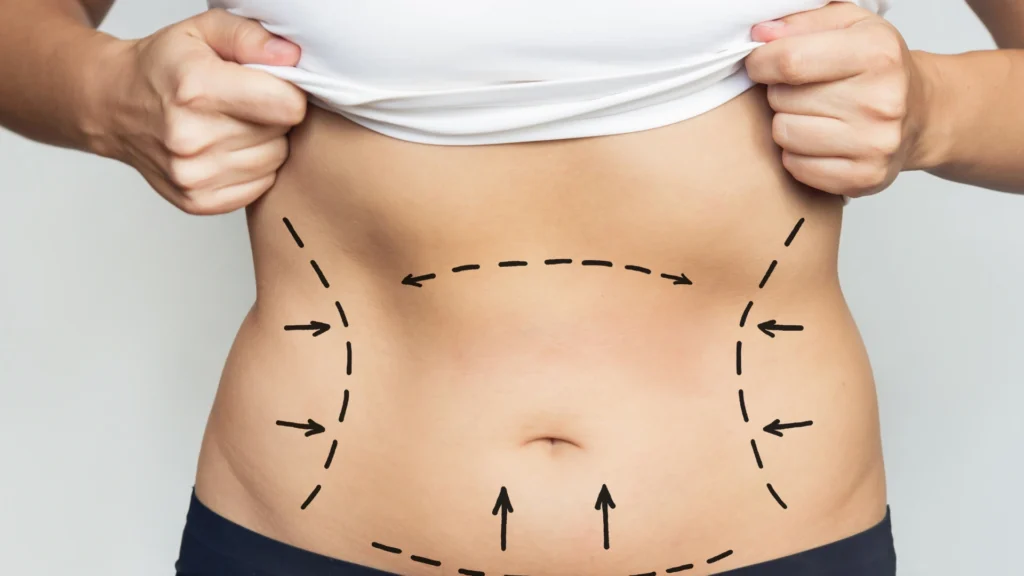
Adipocytes act as the body’s energy reserves. After eating, excess calories that are not immediately needed are converted into triglycerides and stored inside these fat cells. During periods of fasting, exercise, or calorie restriction, adipocytes shift roles and begin releasing stored energy through lipolysis.
Several enzymes help regulate adipocyte lipolysis by breaking triglycerides down in stages until fatty acids and glycerol are produced. The released fatty acids can then be used by cells throughout the body to support normal metabolic functions.
What Activates Lipolysis in Adipose Tissue?
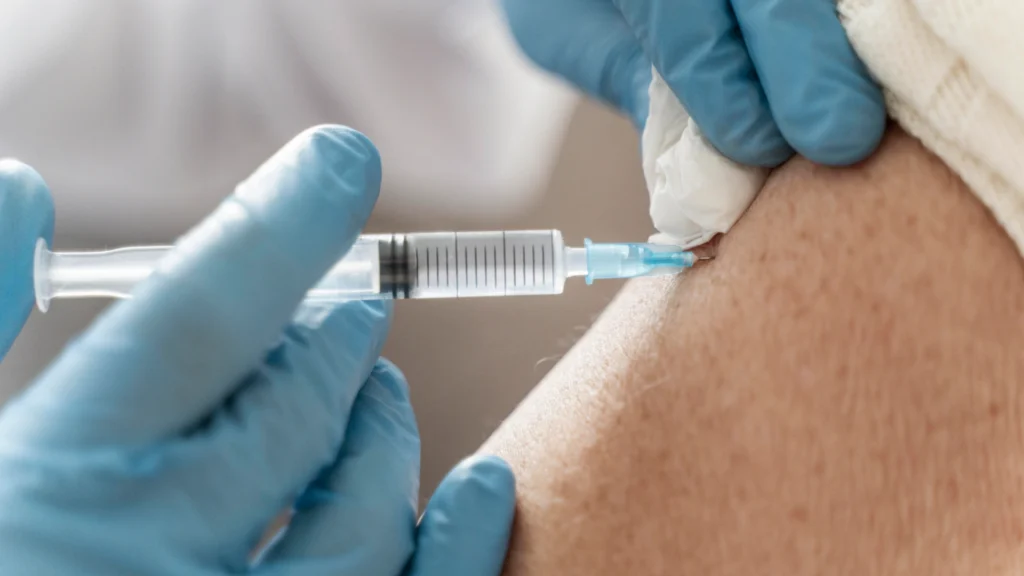
Lipolysis in adipose tissue is activated by signals that indicate the body requires additional energy. Some of the most common triggers include:
- Exercise: Physical activity increases the demand for energy, encouraging adipocytes to release stored fat.
- Calorie restriction: When fewer calories are consumed than the body needs, stored triglycerides become an important energy source.
- Fasting: Going for extended periods without food lowers insulin levels and promotes fat breakdown.
- Catecholamines: Hormones such as adrenaline and noradrenaline bind to receptors on adipocytes and stimulate lipolysis.
- Growth hormone: This hormone may support fat mobilization, particularly during fasting or sleep.
Together, these signals help regulate lipolysis in adipocytes and determine when stored fat is used rather than preserved.
Factors That Can Decrease Lipolysis in Adipose Tissue

Just as certain factors can stimulate fat breakdown, others can slow it down. Reduced lipolysis may make it more difficult to access stored fat and can contribute to stubborn fat deposits.
Common factors that may decrease lipolysis in adipose tissue include:
- High insulin levels: Insulin encourages fat storage and suppresses the breakdown of triglycerides.
- Insulin resistance: When cells become less responsive to insulin, normal fat metabolism may be disrupted.
- Chronic inflammation: Inflammatory signals within adipose tissue have been associated with altered adipocyte lipolysis.
- Lack of physical activity: Sedentary habits reduce the body’s need to draw on stored fat for energy.
- Excess calorie intake: Consistently consuming more calories than the body burns promotes fat storage and may increase lipogenesis while decreasing lipolysis.
Understanding what can slow fat breakdown also makes it easier to see how the body carefully regulates adipocyte lipolysis and why this process varies from person to person.
How Is Adipocyte Lipolysis Regulated?

Adipocyte lipolysis is tightly regulated to maintain a balance between storing and using energy. When the body has enough fuel available, it tends to favor fat storage. When energy demands increase, fat breakdown becomes more active.
Several hormones influence this process. Catecholamines, such as adrenaline and noradrenaline, stimulate lipolysis by binding to receptors on adipocytes and activating enzymes involved in triglyceride breakdown. In contrast, insulin acts as one of the strongest inhibitors of lipolysis, signaling fat cells to store energy rather than release it.
Growth hormone, cortisol, and other metabolic signals may also affect how efficiently adipocytes mobilize stored fat. Researchers continue to study additional pathways involved in regulating adipocyte lipolysis, including mechanisms that may function independently of traditional adrenergic stimulation.
Because these signals constantly interact with one another, the rate of fat breakdown can vary significantly between individuals and even between different fat deposits in the same person.
Adipocyte Lipolysis, Inflammation, and Insulin Resistance

Healthy adipose tissue can efficiently store and release energy as needed. However, chronic inflammation and insulin resistance may interfere with normal adipocyte lipolysis and alter the body’s ability to access stored fat.
Inflammatory substances released within adipose tissue can disrupt metabolic signaling, while insulin resistance may reduce the body’s ability to properly regulate fat storage and breakdown.
Over time, these changes can contribute to impaired fat metabolism, making it more difficult for some individuals to utilize stored fat effectively.
Although adipocyte lipolysis and inflammation remain active areas of research, maintaining overall metabolic health is considered important for supporting normal fat metabolism.
Why Some Areas of Fat Are Harder to Lose

Have you ever wondered why your face appears slimmer after losing weight, but fat around the abdomen or under the chin seems unchanged? Part of the explanation lies in how different fat deposits respond to hormonal and metabolic signals.
Some fat cells contain a greater number of receptors that encourage fat storage and resist lipolysis. Blood flow, genetics, age, hormone levels, and lifestyle factors can also influence how readily certain areas release stored fat.
As a result, even people who exercise regularly and maintain healthy eating habits may notice stubborn pockets of fat that persist despite overall weight loss.
This is one reason why some individuals explore targeted body contouring treatments designed to address localized areas that may not respond as easily to traditional weight management strategies.
How Lipolysis Injections Work

Lipolysis injections are designed to target small, localized pockets of fat that may not respond well to diet and exercise alone. During treatment, a solution is injected directly into the treatment area, where it helps disrupt fat cell membranes. Over time, the body naturally processes and removes the released fat through its metabolic waste pathways.
Before treatment, a consultation is typically performed to determine whether injectable lipolysis is appropriate based on an individual’s goals, anatomy, and overall health. Most patients require multiple sessions to achieve their desired results, with gradual improvements becoming noticeable over several weeks.
Areas Commonly Treated With Lipolysis Injections
Lipolysis injections are generally used to improve body contours rather than produce significant weight loss. Common treatment areas may include:
- Under the chin (double chin)
- Jawline
- Upper abdomen
- Lower abdomen
- Flanks
- Upper arms
The suitability of a treatment area depends on the amount of fat present, skin quality, and the individual’s aesthetic goals.
Benefits of Supporting Fat Breakdown With Lipolysis Treatments
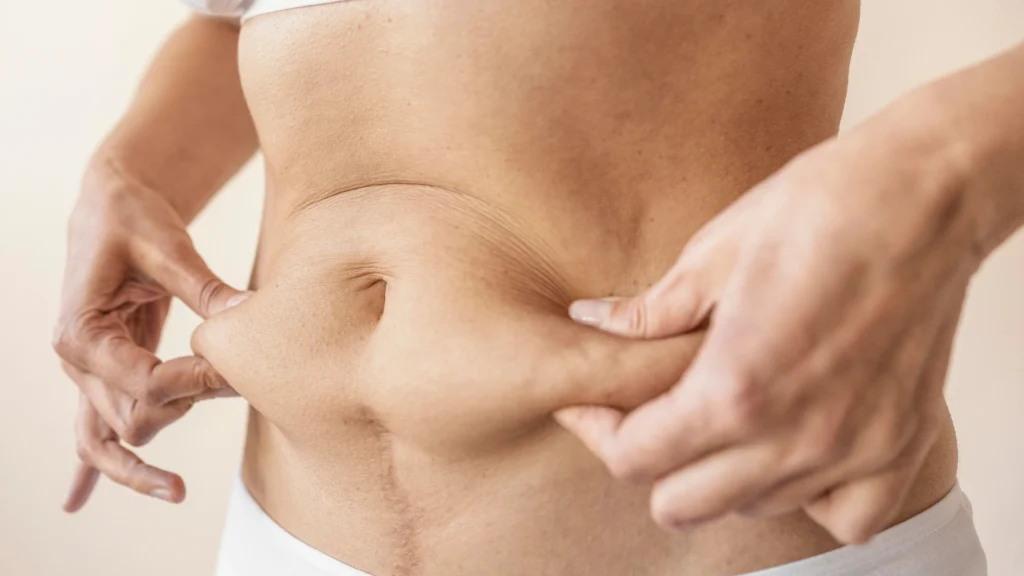
For individuals bothered by small, stubborn pockets of fat, injectable lipolysis may offer several potential benefits, including:
- A non-surgical approach to fat reduction
- Minimal downtime compared with surgical procedures
- The ability to target specific treatment areas
- Gradual, natural-looking contour improvements
- Treatments that can often be completed in a relatively short office visit
Results vary from person to person, and maintaining a stable weight may help support long-term outcomes.
Can Lipolysis Injections Replace Weight Loss?
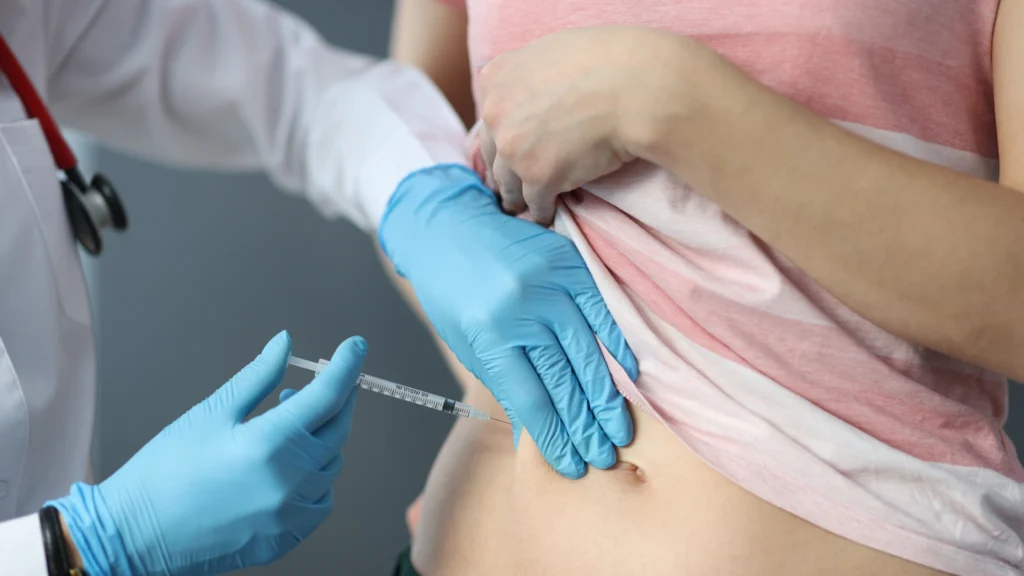
No. Lipolysis injections are not intended to replace weight loss or serve as a treatment for obesity. They are best suited for people who are close to their target weight but have localized fat deposits that remain despite healthy eating habits and regular physical activity.
For many individuals, injectable lipolysis works best as a body contouring treatment that complements an already healthy lifestyle rather than as a substitute for diet and exercise.
Considering Lipolysis for Stubborn Fat Reduction?
Adipose tissue lipolysis is the body’s natural mechanism for breaking down stored triglycerides into fatty acids and glycerol that can be used for energy. However, the efficiency of this process can vary based on factors such as hormone levels, insulin sensitivity, inflammation, physical activity, and the type of adipose tissue involved. These differences help explain why some people lose fat more easily than others and why certain fat deposits may remain resistant to traditional weight loss efforts.
For individuals bothered by localized pockets of stubborn fat, injectable lipolysis may provide an additional body contouring option. By targeting small treatment areas that do not respond well to diet and exercise alone, lipolysis injections can help improve contours without surgery or significant downtime.

For individuals frustrated by small, stubborn pockets of fat, injectable lipolysis has emerged as a non-surgical body contouring option that may help improve localized areas that do not respond well to diet and exercise alone.
If you’re considering lipolysis injections, booking a consultation with The Beauty Lounge can help determine whether treatment aligns with your goals, expected results, and overall treatment plan. A personalized assessment can provide a better understanding of what to expect and whether injectable lipolysis is the right choice for you.
FAQs
Results from lipolysis injections are typically gradual, with many individuals noticing changes within a few weeks of treatment. Improvements may continue to develop over several months as the body naturally processes and eliminates disrupted fat cells. The timeline can vary depending on the treatment area, the amount of fat present, and the number of sessions performed.
Lipolysis injections are intended to disrupt targeted fat cells, which are then gradually removed by the body’s natural metabolic processes. While treated fat cells do not usually return, remaining fat cells can still enlarge if significant weight gain occurs. Maintaining a stable weight may help preserve body contouring results over time.
Lipolysis treatments are generally best suited for healthy adults who are close to their desired weight but struggle with small, localized pockets of stubborn fat. They are often considered by individuals seeking a non-surgical body contouring option rather than a treatment for obesity or substantial weight loss.
No. Lipolysis injections are designed to address localized areas of unwanted fat rather than large fat deposits throughout the body. People looking to lose a significant amount of weight are typically advised to focus on lifestyle modifications or discuss other treatment options with a qualified healthcare professional.
Yes. Insulin is one of the primary hormones involved in regulating adipocyte lipolysis. When insulin levels are elevated, fat cells receive signals to store energy and reduce the breakdown of triglycerides. Lower insulin levels, such as those that occur during fasting or exercise, generally support the release of stored fatty acids.
Yes. Hormones such as adrenaline, noradrenaline, growth hormone, and cortisol can influence how readily adipocytes release stored fat. Their effects depend on factors including overall metabolic health, energy demands, and hormone balance. Together, these signals help determine when the body prioritizes fat storage or fat utilization.