
What Is Lipolysis? Meaning, How It Works and Treatment Options

People often hear the word lipolysis while researching fat loss, body contouring treatments, or ways to reduce stubborn pockets of fat. But what does lipolysis actually mean, and is it the same thing as burning fat?
The answer depends on which type of lipolysis you’re referring to. Lipolysis is a natural process that takes place inside the body every day, even while you sleep. It allows stored fat to be broken down and used for energy when the body needs additional fuel.
At the same time, the term lipolysis is used in aesthetic medicine to describe treatments designed to reduce localized fat deposits without surgery.
Because lipolysis can refer to both a biological process and cosmetic procedures, it is easy to see why the term causes confusion.
Understanding what lipolysis means, how it works in the body, the factors that influence it, and the treatments available today can help you better understand how fat is managed naturally and what options exist for addressing areas of stubborn fat.
What Is Lipolysis?

Lipolysis is the process through which the body breaks down stored fat so it can be used as a source of energy. Most of this process takes place within fat cells, where triglycerides, the form in which the body stores excess fat, are broken down into free fatty acids and glycerol. These substances are then released into the bloodstream and transported to tissues that need fuel.
Lipolysis occurs naturally throughout the day and becomes more active when the body requires additional energy, such as between meals, during exercise, or while sleeping. In aesthetic medicine, the term lipolysis can also refer to non-surgical treatments designed to reduce localized fat deposits and improve body contours.
Lipolysis Definition
The medical definition of lipolysis is the enzymatic breakdown of triglycerides stored in adipose tissue into free fatty acids and glycerol.
That’s quite a mouthful. Put simply, lipolysis is the process your body uses to break down stored fat and convert it into energy when additional fuel is needed. It is a natural process that occurs every day and helps the body access its stored energy reserves between meals, during exercise, and even while you sleep.
Lipolysis Word Breakdown
The word lipolysis is made up of two parts:
- Lipo means fat.
- Lysis means breakdown, separation, or dissolution.
So, lipolysis literally means “fat breakdown.” Understanding the word breakdown can make it easier to remember the meaning of lipolysis and its connection to the body’s natural ability to use stored fat as fuel.
How Does Lipolysis Work in the Body?

Once you know what lipolysis means, the next question is usually: How does the body know when it’s time to start using stored fat?
The lipolysis process begins when the body needs more energy than it is receiving from recently consumed food. This can happen between meals, during exercise, while sleeping, or during periods of fasting.
Hormones such as adrenaline, noradrenaline, glucagon, and cortisol signal fat cells to release some of their stored energy. Inside these cells, triglycerides are broken down by enzymes into free fatty acids and glycerol.
The fatty acids enter the bloodstream and are transported to tissues that require energy, such as skeletal muscle. Glycerol travels to the liver, where it can contribute to glucose production.
Insulin has the opposite effect. After eating, insulin levels rise and encourage the body to store excess energy, slowing the breakdown of fat. The balance between these hormones determines whether the body stores fat or draws upon existing reserves.
Why Is Lipolysis Important for the Body?

Lipolysis does a bigger job than supporting weight management. It is an essential metabolic process that helps the body meet its daily energy demands.
Without lipolysis, the body would have difficulty maintaining a steady supply of fuel between meals or during extended periods of activity. By releasing stored fatty acids, lipolysis provides an alternative energy source that helps preserve blood sugar levels and supports normal bodily functions.
Lipolysis also contributes to metabolic flexibility, which refers to the body’s ability to switch between using carbohydrates and fat for energy depending on availability and demand. This flexibility allows the body to adapt to changing energy needs throughout the day.
Although lipolysis is often associated with fat loss, it is important to remember that its primary purpose is energy regulation. The process is constantly taking place in the background, helping the body maintain balance whether you are resting, exercising, or simply going about your daily routine.
What Types of Lipolysis Are There?
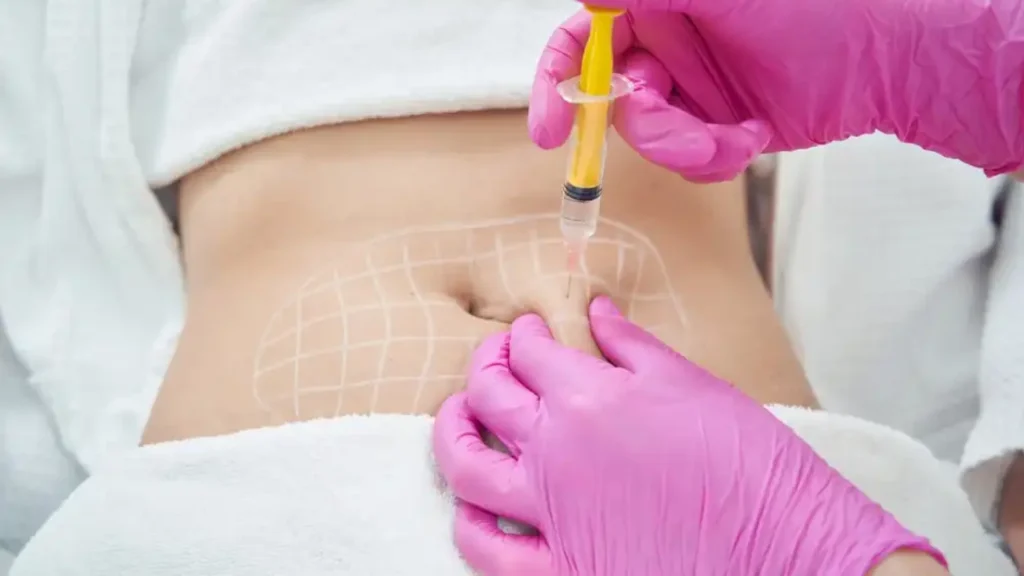
Although lipolysis is often discussed as a single process, it can be described in different ways depending on whether the focus is metabolism, hormone regulation, or aesthetic medicine.
Natural Lipolysis
Natural lipolysis refers to the body’s ongoing breakdown of stored fat to meet energy demands. It occurs continuously and adjusts in response to factors such as food intake, physical activity, and energy expenditure.
Cosmetic Lipolysis
In aesthetic medicine, cosmetic lipolysis refers to treatments designed to reduce localized fat deposits and improve body contours without surgery. Unlike natural lipolysis, which occurs throughout the body, cosmetic lipolysis focuses on specific treatment areas such as the chin, abdomen, flanks, or thighs.
Factors That Influence Lipolysis
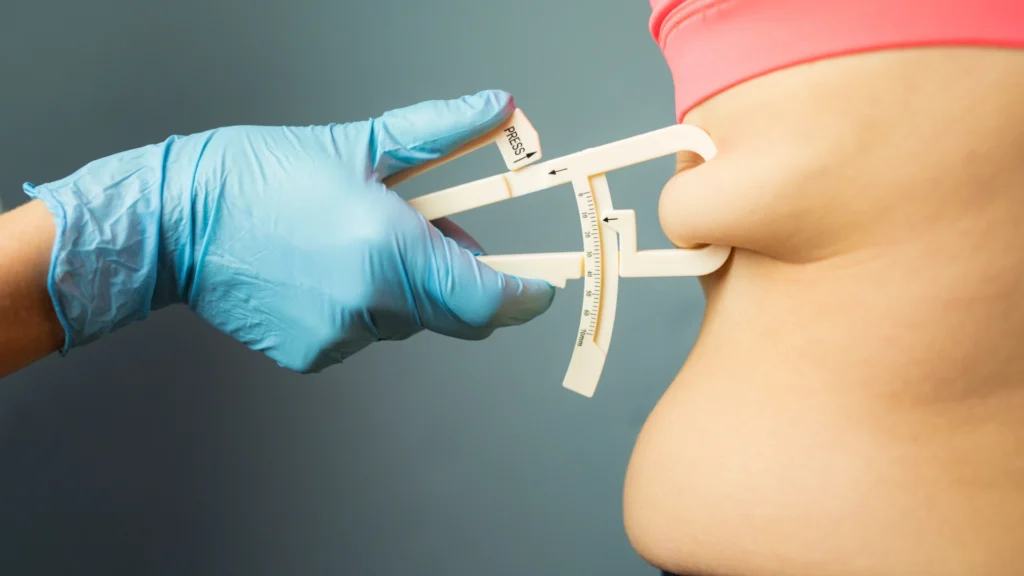
Lipolysis does not occur at the same rate all the time. Several internal and lifestyle-related factors can affect how efficiently the body breaks down and uses stored fat.
Hormones
Hormones play a major role in regulating lipolysis. Adrenaline, noradrenaline, glucagon, and cortisol generally encourage fat breakdown when the body requires additional energy. Insulin has the opposite effect and promotes energy storage after eating.
Physical Activity
Exercise can increase the body’s demand for energy, encouraging the use of stored fat as fuel. Endurance activities and longer periods of movement tend to have a greater impact on lipolysis than short bursts of activity.
Diet and Meal Timing
Periods between meals, calorie restriction, and fasting may promote lipolysis as the body looks for alternative energy sources. Frequent eating and excess calorie intake are more likely to favor fat storage.
Sleep and Stress
Poor sleep and chronic stress can influence hormone levels involved in energy metabolism. Over time, these changes may affect the body’s ability to efficiently regulate fat breakdown and storage.
Age and Body Composition
Lipolysis efficiency may gradually change with age due to shifts in hormone production, muscle mass, and overall metabolic rate. Individual factors such as genetics and body composition can also influence how the body manages stored fat.
What Is Lipolysis Treatment?

Lipolysis treatment refers to a group of cosmetic procedures designed to reduce localized fat deposits without surgery. These treatments aim to target stubborn areas of fat that may be difficult to improve through diet and exercise alone.
While natural lipolysis occurs continuously throughout the body to meet energy demands, cosmetic lipolysis focuses on specific treatment areas to help refine body contours. Common concerns include fullness beneath the chin, small pockets of abdominal fat, love handles, or localized fat on the thighs and arms.
Many people seek lipolysis treatments because they want subtle body contouring improvements without the incisions, anesthesia, and recovery period associated with traditional liposuction.
While these treatments can reduce unwanted fat in selected areas, they are not intended as weight loss procedures and generally work best for individuals who are close to their desired weight and looking to address isolated concerns.
What Types of Lipolysis Treatments Are Available in Medspa Clinics?

Medspa clinics offer several non-surgical treatments designed to reduce localized fat and improve body contours. While these procedures work differently, they all aim to target fat cells without the incisions and downtime associated with liposuction.
Injectable Lipolysis
Injectable lipolysis involves administering fat-dissolving substances directly into areas of unwanted fat. The treatment is commonly used for small, well-defined pockets of fat, particularly beneath the chin. Over time, the body naturally processes and removes the disrupted fat cells, leading to a more sculpted appearance.
Laser Lipolysis
Laser lipolysis uses controlled heat energy to damage fat cells while encouraging the body to gradually eliminate them. Some treatments can also stimulate collagen production, providing mild skin-tightening benefits in addition to fat reduction.
Cryolipolysis
Cryolipolysis uses precisely controlled cooling to target fat cells beneath the skin. The cold temperature damages fat cells while leaving surrounding tissues largely unaffected. In the weeks and months following treatment, the body naturally clears away the treated cells, resulting in a gradual reduction in fullness.
Radiofrequency and Ultrasound-Based Fat Reduction
Radiofrequency and ultrasound technologies deliver energy beneath the skin to disrupt fat cells and improve body contours. Depending on the device used, these treatments may also help tighten the skin, making them an appealing option for individuals concerned about mild skin laxity alongside localized fat deposits.
Benefits of Lipolysis

Lipolysis offers benefits that extend beyond fat reduction. In the body, it is an essential process that helps maintain a steady supply of energy. In aesthetic medicine, lipolysis treatments can provide a non-surgical approach to improving body contours.
Some potential benefits of lipolysis include:
- Supports energy production: Breaking down stored fat provides an additional fuel source during periods when energy demands increase or food intake is limited.
- Promotes metabolic flexibility: Lipolysis allows the body to switch between carbohydrates and fat as energy sources depending on availability and activity levels.
- Addresses stubborn fat deposits: Cosmetic lipolysis treatments can help reduce small, localized pockets of fat that may persist despite healthy eating habits and regular exercise.
- Offers a non-surgical alternative: Many lipolysis procedures do not require incisions, general anesthesia, or the extended recovery period associated with surgical fat removal.
- Allows for gradual, natural-looking improvements: Results from cosmetic lipolysis treatments typically develop over several weeks as the body processes and eliminates treated fat cells.
Understanding its potential benefits can help individuals set realistic expectations and make more informed decisions about their health and aesthetic goals.
Is Lipolysis Safe?
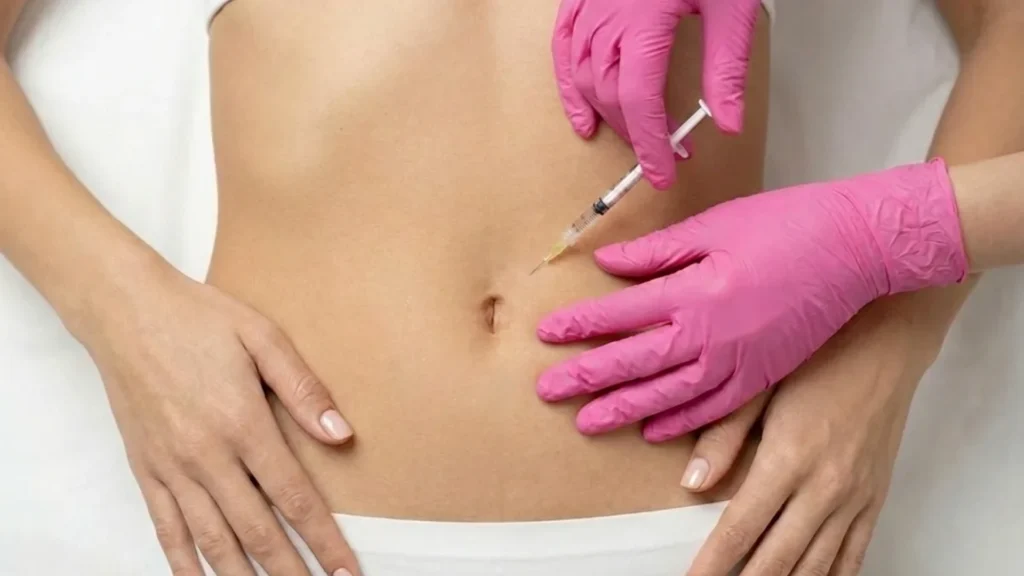
When people ask whether lipolysis is safe, they are usually referring to cosmetic lipolysis treatments.
In general, non-surgical lipolysis treatments are considered safe when performed by trained professionals using appropriate techniques and approved products or devices. As with most aesthetic procedures, temporary side effects can occur and may vary depending on the treatment used.
Common side effects sometimes include swelling, redness, bruising, tenderness, numbness, or mild discomfort in the treated area. These effects are typically short-lived and improve as the body heals.
Results can also vary from person to person, making a consultation an important step in understanding what a particular treatment can realistically achieve.
Who Is Best Suited for Lipolysis Treatments?

Lipolysis treatments are generally sought by individuals who are close to their desired weight but would like to address small, localized areas of fat that have been resistant to diet and exercise.
Common treatment areas include fullness beneath the chin, abdominal fat, love handles, thighs, and upper arms. Many people choose lipolysis because they want gradual contouring improvements without surgery, incisions, or significant downtime.
These treatments are not designed to produce substantial weight loss or replace healthy lifestyle habits. Instead, they are often used to refine body contours and complement an existing wellness routine.
What Results Can You Expect from Lipolysis?
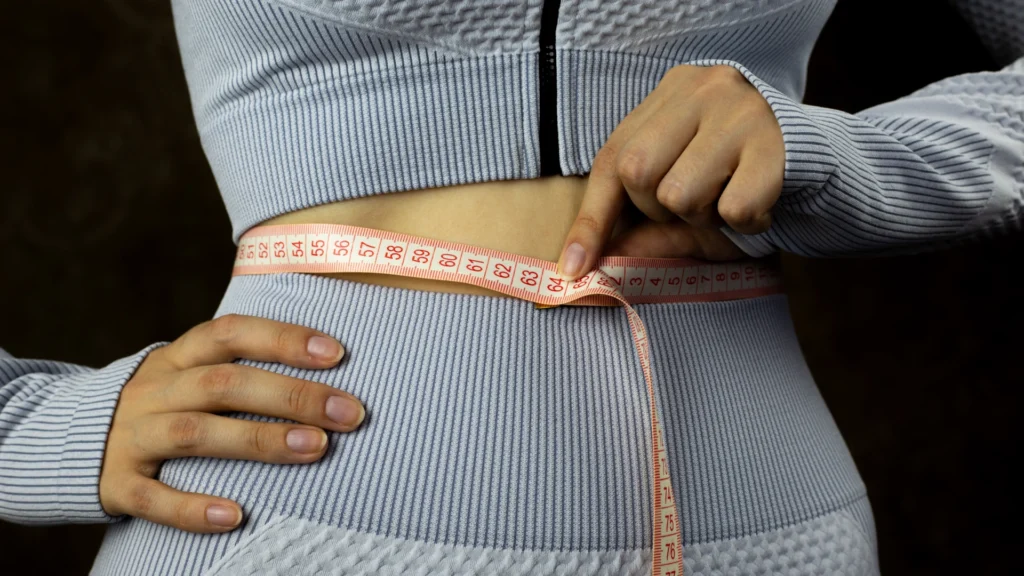
The results of lipolysis depend on whether you’re referring to the body’s natural fat breakdown process or cosmetic lipolysis treatments.
Natural lipolysis occurs continuously as part of normal metabolism and does not lead to noticeable changes in body shape on its own. Visible changes in fat reduction typically require a sustained calorie deficit, regular physical activity, and other healthy lifestyle habits.
With cosmetic lipolysis treatments, improvements are usually gradual rather than immediate. As the body processes and removes treated fat cells, the targeted area can begin to look slimmer and more contoured over the following weeks or months.
The timeline for results can vary depending on the treatment performed, the size of the treatment area, and individual factors such as metabolism and lifestyle habits.
It’s also important to have realistic expectations. Lipolysis treatments are designed to refine body contours and reduce small pockets of stubborn fat, not produce dramatic weight loss. For many people, the most satisfying results come from combining aesthetic treatments with consistent nutrition, exercise, and long-term healthy habits.
Ready to Address Stubborn Fat Without Surgery
Lipolysis is much more than a cosmetic buzzword. It is the body’s natural way of breaking down stored fat to produce energy and support normal metabolic function. The term is also used to describe non-surgical treatments designed to reduce localized fat deposits and enhance body contours.
Whether you’re interested in understanding how the body uses stored fat or exploring aesthetic options for stubborn areas that haven’t responded to diet and exercise, knowing the difference between natural and cosmetic lipolysis can help set realistic expectations and guide informed decisions.

If you’re considering a non-surgical approach to body contouring, The Beauty Lounge Toronto offers personalized consultations to help you understand your options and determine whether lipolysis treatment aligns with your goals. Our team takes the time to assess your concerns, answer your questions, and recommend treatments tailored to your needs.
Ready to take the next step? Schedule a consultation with The Beauty Lounge Toronto to learn more about our lipolysis treatment and discover how targeted fat reduction can help you achieve a more sculpted and confident appearance without surgery or extended downtime.
FAQs
Yes, lipolysis occurs naturally even when you’re not exercising. The body continuously breaks down stored fat to meet its energy needs, particularly between meals, during sleep, and periods of fasting. Physical activity can increase energy demand and encourage greater fat utilization, but exercise is not required for lipolysis to occur.
Not exactly. Lipolysis refers specifically to the breakdown of stored triglycerides into free fatty acids and glycerol. Fat burning is a broader term that includes both the release of stored fat and its subsequent use by cells to produce energy. Lipolysis is one step in the overall process of fat metabolism.
No single food can directly switch lipolysis on or off. However, a balanced diet rich in protein, fiber, healthy fats, fruits, and vegetables may help support normal metabolic function and maintain a healthy energy balance. Consistent eating habits and overall calorie intake also play an important role in fat metabolism.
Age can influence metabolism and hormone production, which may affect how efficiently the body uses stored fat over time. Changes in muscle mass, activity levels, and lifestyle habits can also contribute to differences in fat metabolism as people get older. However, healthy habits can help support metabolic function at any age.
Natural lipolysis does not allow the body to selectively burn fat from one specific area. The body determines where stored fat is released from based on factors such as genetics, hormones, and overall body composition. Cosmetic lipolysis treatments, on the other hand, are designed to target localized fat deposits in selected treatment areas.
Lipolysis is the process of breaking down stored fat into free fatty acids and glycerol. Ketosis is a metabolic state that occurs when the body produces ketones from fatty acids to use as an alternative energy source, typically during prolonged fasting or very low-carbohydrate diets. Lipolysis can occur without ketosis, while ketosis depends on sustained fat utilization.
Yes. Maintaining a stable weight through balanced nutrition, regular physical activity, and healthy lifestyle habits can help support and prolong the results of cosmetic lipolysis treatments. Significant weight gain after treatment may affect the overall contouring outcome and lead to the accumulation of fat in untreated areas.