
How Does Lipolysis Work? Complete Step-by-Step Lipolysis Process Explained

Ever looked in the mirror and wondered why some areas of fat seem impossible to lose?
You’re not alone.
Many people eat well, stay active, and still struggle with stubborn fat that refuses to go away.
That’s often when they start asking,
How does lipolysis work on stubborn fat that won’t go away?
What actually happens to fat during a lipolysis procedure?
The answer is more interesting than most people expect. Your body already has a natural process that breaks down stored fat and turns it into energy.
Modern lipolysis treatments build on this same idea to help reduce localized fat without surgery. Understanding how lipolysis works can make it easier to know what happens during treatment, how the body responds, and what kind of results you can realistically expect.
In this guide, we’ll explain how lipolysis works in both the body and cosmetic treatments. Whether you’re interested in fat metabolism or considering a lipolysis treatment, you’ll gain a clear understanding of the entire lipolysis process.
What is Lipolysis?
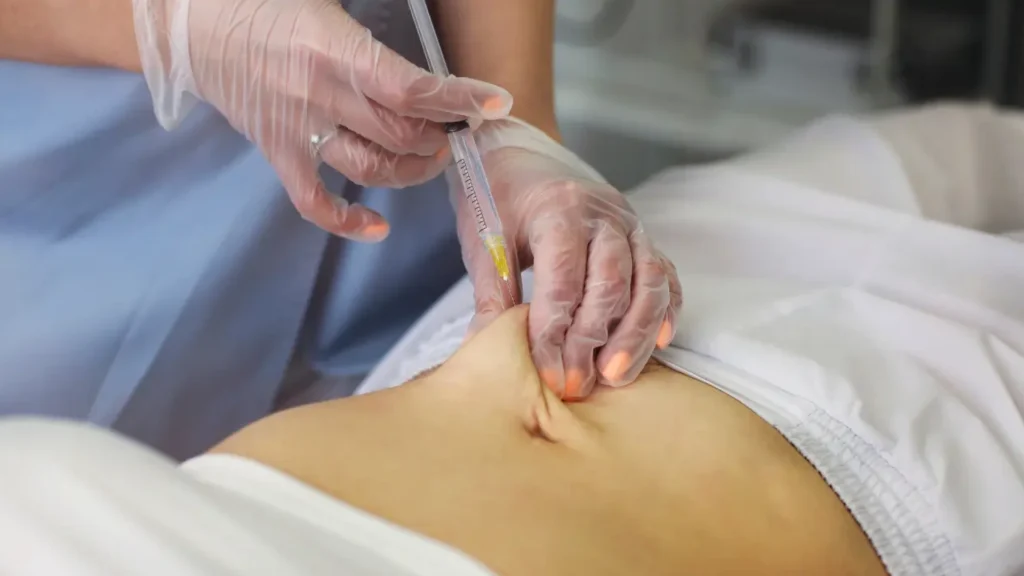
Lipolysis is the natural process in which the body converts stored fat (triglycerides) into smaller components called fatty acids and glycerol. These substances can then be used for energy or processed through normal metabolic functions.
Your body stores excess calories as triglycerides inside fat cells. When energy is needed, such as during exercise, fasting, or between meals, hormones signal the release of this stored fat.
The term “lipolysis” comes from two Greek words:
Lipo means fat
Lysis means breakdown
Simply put, the process of lipolysis refers to the breakdown of stored triglycerides into fatty acids and glycerol.
In addition to this natural function, the term is also used in cosmetic treatments that target localized fat deposits. These procedures use technologies such as injections, laser energy, radiofrequency, ultrasound, or controlled cooling to affect fat cells in specific areas.
How Does Lipolysis Work?
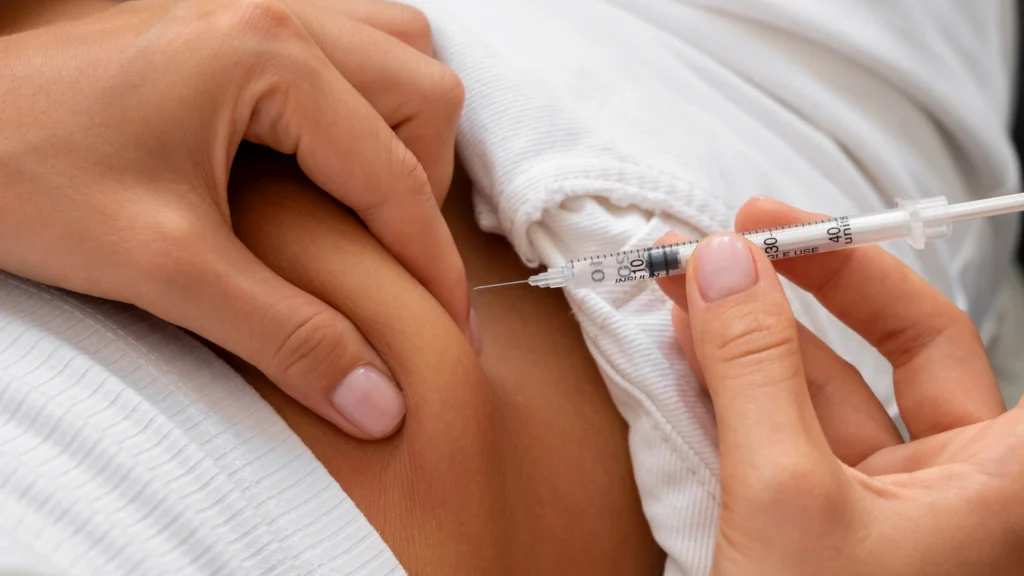
To understand how lipolysis works, imagine your fat cells as tiny storage containers filled with energy.
Whenever your body needs more fuel, it sends signals to access these stored reserves. Inside each fat cell, enzymes convert triglycerides into smaller components called free fatty acids and glycerol.
The fatty acids travel through the bloodstream to muscles, the heart, and other organs where they are used for energy through beta oxidation. The glycerol moves to the liver, where it supports normal metabolic functions.
Cosmetic lipolysis treatments use a different mechanism. Instead of relying on hormonal signals, they directly target fat cells using controlled energy or injectable solutions.
The affected fat cells are then gradually processed and cleared by the body through its natural metabolic pathways.
Step-by-Step Lipolysis Procedure
Although different technologies follow slightly different methods, most lipolysis treatments include the same basic steps.
Step 01: Consultation & Marking the Treatment Area
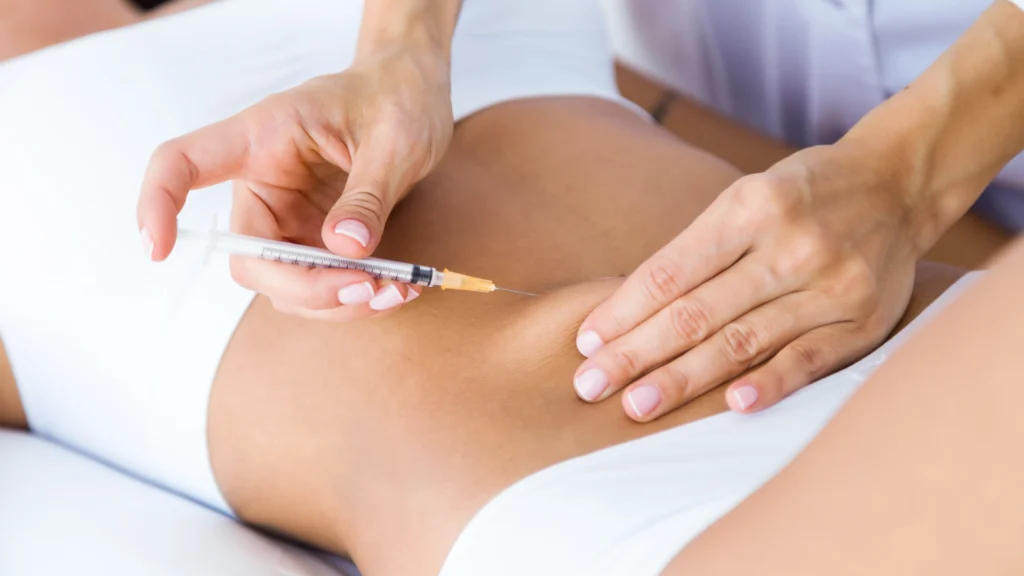
Every lipolysis procedure starts with a consultation. The provider examines the treatment area, discusses your goals, and determines whether lipolysis is the right option.
They may also:
- Measure the treatment area
- Take photographs
- Review your medical
- Explain realistic expectations
- Mark the exact areas where fat will be treated
This planning stage helps create even and realistic-looking results.
Step 02: Preparation of the Skin
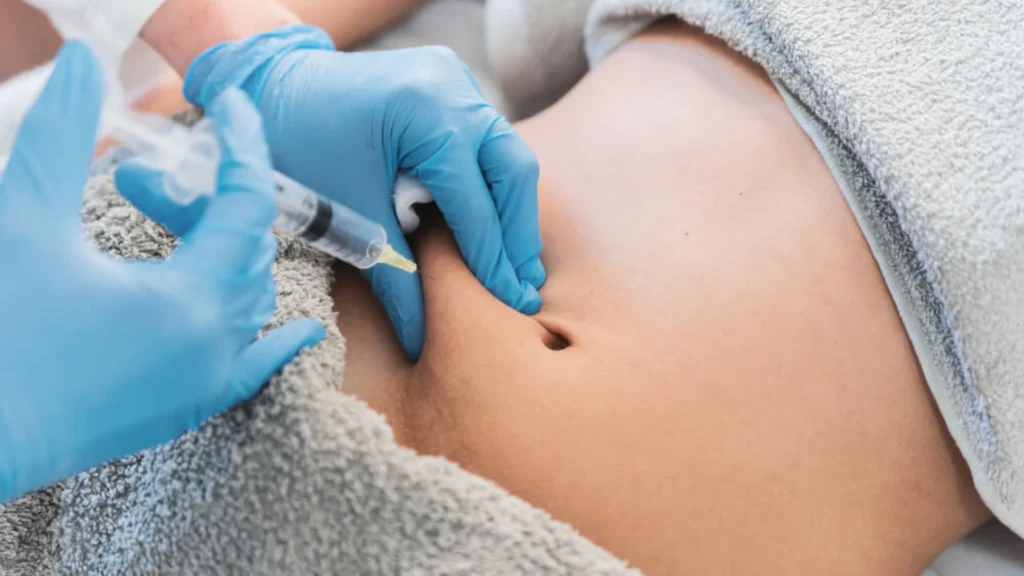
Each lipolysis session begins with proper skin preparation to ensure safety and hygiene. The treatment area is gently cleansed before the procedure starts.
Depending on the technique used, a cooling gel may be applied, a local anesthetic may be used for comfort, and the device is carefully positioned on the targeted area. Treatment markings may also be adjusted for accuracy.
These steps help improve comfort, support precision, and ensure the area is fully prepared for the procedure.
Step 03: Fat Cell Targeting
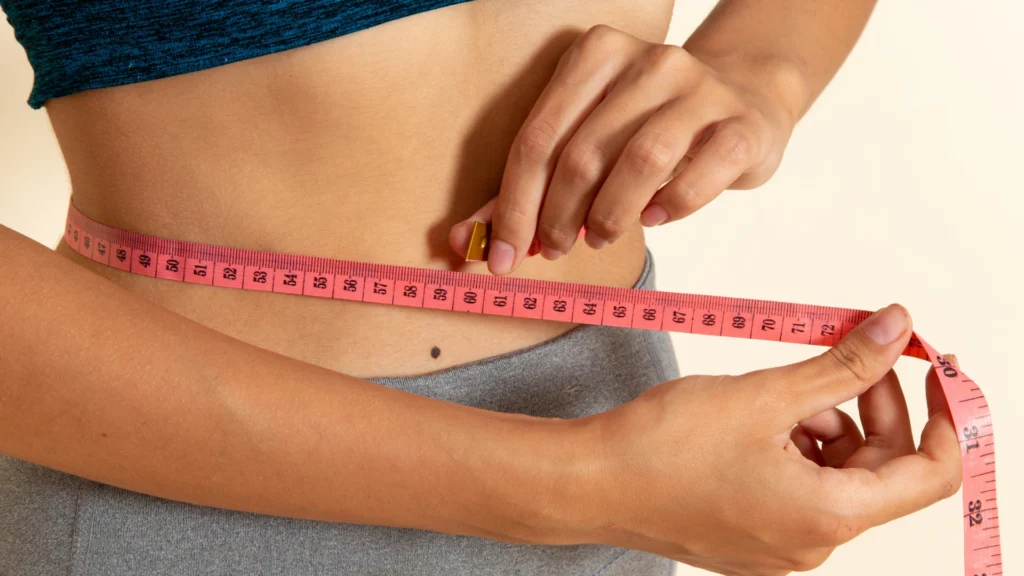
This is the main part of the procedure. Different lipolysis technologies use different methods to target fat cells.
These include:
- Laser energy
- Radiofrequency energy
- Ultrasound waves
- Cryolipolysis (controlled cooling)
- Injectable fat-dissolving solutions
The goal is the same regardless of the technology. The treatment damages fat cells while protecting nearby skin, muscles, nerves, and blood vessels.
Step 04: Fat Breakdown (Lipid Release)
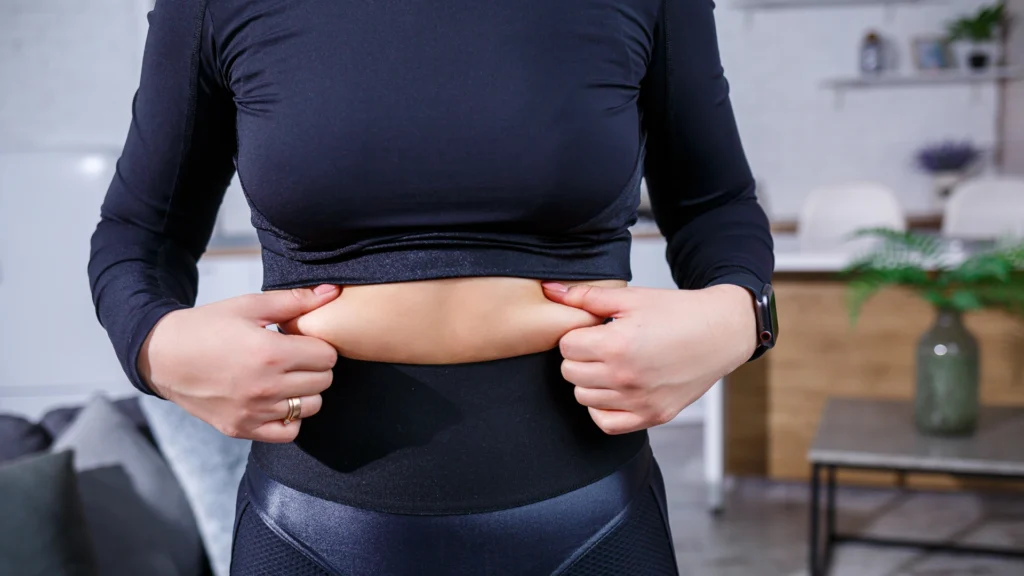
Once fat cells are targeted, they begin to break down at a molecular level. Inside the targeted fat cells, stored fat begins breaking down into smaller components as part of the body’s natural clearance process.
In cosmetic lipolysis, treatment-induced damage causes fat cells to undergo gradual breakdown and clearance. The body’s immune and lymphatic systems then help remove cellular debris over time.
This gradual removal is why visible results develop slowly over several weeks rather than appearing immediately.
Step 05: Natural Removal From the Body
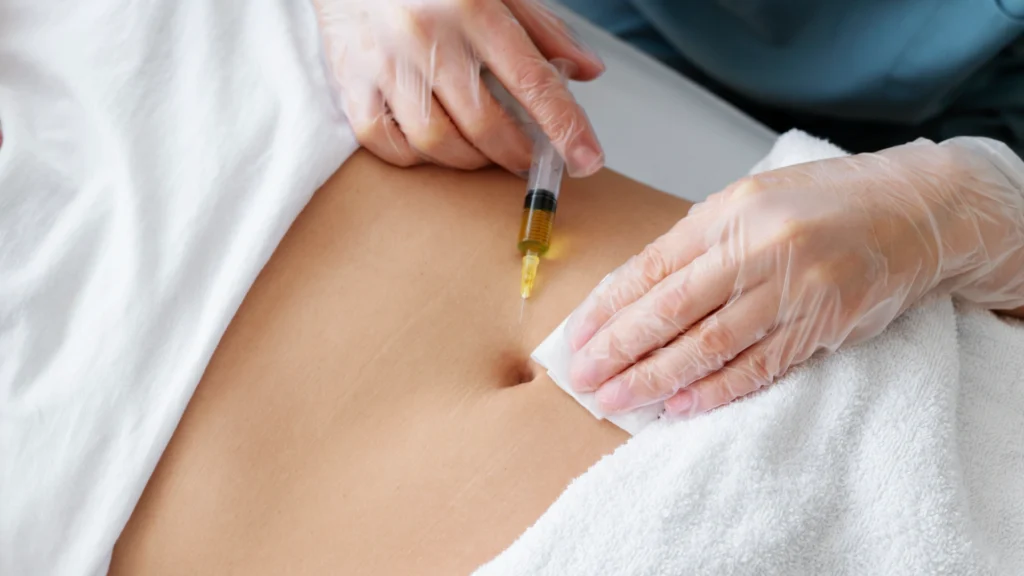
After the fat cells break down, the body gradually removes the broken-down material through its healing process. The lymphatic system collects this material and carries it away from the treated area. The liver and other organs then process these substances through normal metabolic functions.
Eventually, waste leaves the body through regular elimination channels. This gradual clearance is why results continue to improve over several weeks. Staying hydrated, maintaining light activity, and following aftercare guidance may help support recovery.
Step 06: Visible Results Over Time

Lipolysis does not produce instant results. Instead, your body slowly removes the treated fat cells over several weeks.
Many people begin noticing changes within four to six weeks, while final results often appear after two to three months.
The exact timeline depends on several factors, including:
- Treatment type
- Size of the treatment area
- Individual metabolism
- Number of sessions
- Lifestyle habits
Since the body removes fat gradually, the results often appear gentle and smooth.
The lipolysis process happens gradually, not overnight. From your initial consultation to the body’s natural removal of treated fat cells, each step works together to create smoother, more authentic-looking results.
How Does Lipolysis Work Inside the Body?
Now that we’ve explored how a lipolysis procedure works, let’s look at how the same biological process occurs inside the body.
During exercise, fasting, or between meals, the body turns to stored fat when it needs additional energy.
This natural response helps maintain energy balance by making stored fat available for use, supporting normal metabolic functions throughout the day.
Lipolysis Pathway Steps Explained
Understanding the science behind fat breakdown becomes easier when you look at the lipolysis process step by step. The following lipolysis steps explain how stored fat is converted into usable energy. These steps of lipolysis occur in a specific biological sequence.
Step 01: Hormonal Signal Activates Fat Breakdown

Hormones control when lipolysis starts and when it stops. When your body needs extra energy, hormones such as adrenaline and noradrenaline attach to receptors on fat cells. This activates a signaling molecule called cyclic AMP (cAMP), which then switches on Protein Kinase A (PKA).
PKA activates important proteins involved in fat breakdown, including Hormone-Sensitive Lipase (HSL) and Perilipin. Perilipin normally acts as a protective layer around stored fat. Once activated, it opens access to the fat droplets, allowing lipase enzymes to begin breaking down triglycerides.
At the same time, insulin levels decrease. Insulin normally encourages fat storage and slows lipolysis. Lower insulin levels remove this refined brake, allowing stored fat to be released more easily.
Together, these hormonal signals help your body access stored energy whenever it is needed.
Step 02: Triglycerides Break Down Into Fatty Acids and Glycerol
Triglycerides are the body’s largest energy reserve. They are stored inside tiny droplets within fat cells until the body calls for extra fuel.
When lipolysis begins, three key enzymes work in sequence to break these triglycerides apart.
→ First, adipose triglyceride lipase (ATGL) removes one fatty acid.
→ Next, hormone-sensitive lipase (HSL) removes the second.
→ Finally, monoglyceride lipase (MGL) removes the last fatty acid, leaving behind glycerol.
This carefully organized process allows the body to release stored energy safely and efficiently whenever it is needed.
Step 03: Fatty Acids Enter the Bloodstream
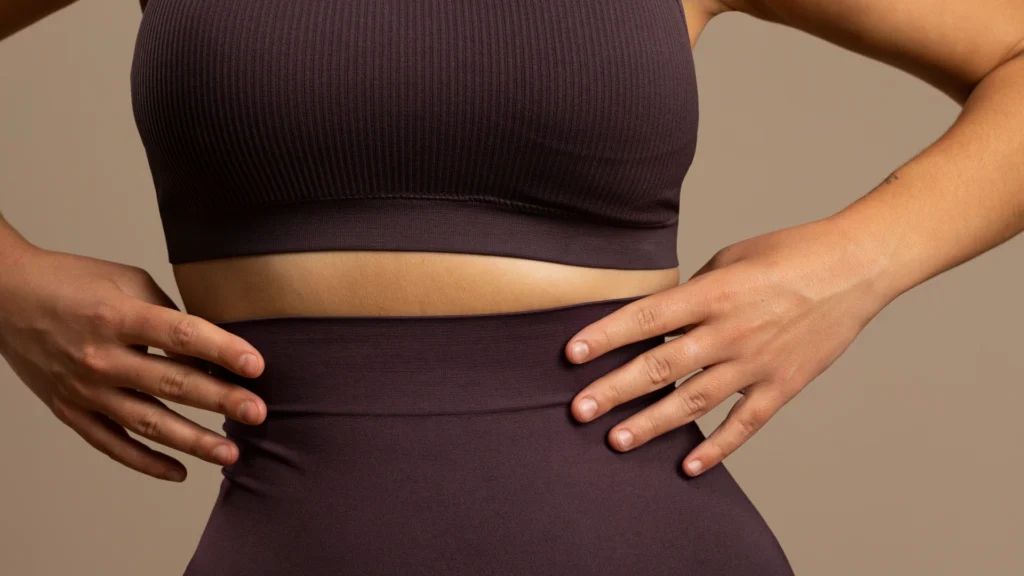
Once fatty acids are released from fat cells, they quickly move into the bloodstream. However, because fat does not dissolve in blood, these fatty acids attach to albumin for transport. The bloodstream then delivers them to tissues that need energy.
The amount of fat released depends on several factors, including:
- Your activity level
- Your hormone levels
- Whether you have recently eaten
- Your overall metabolism
- Your energy needs
During exercise or fasting, the body releases more fatty acids because muscles require additional fuel.
When you have just eaten a large meal, insulin rises and slows this process, allowing the body to store energy instead.
Step 04: Cells Convert Fat Into Energy
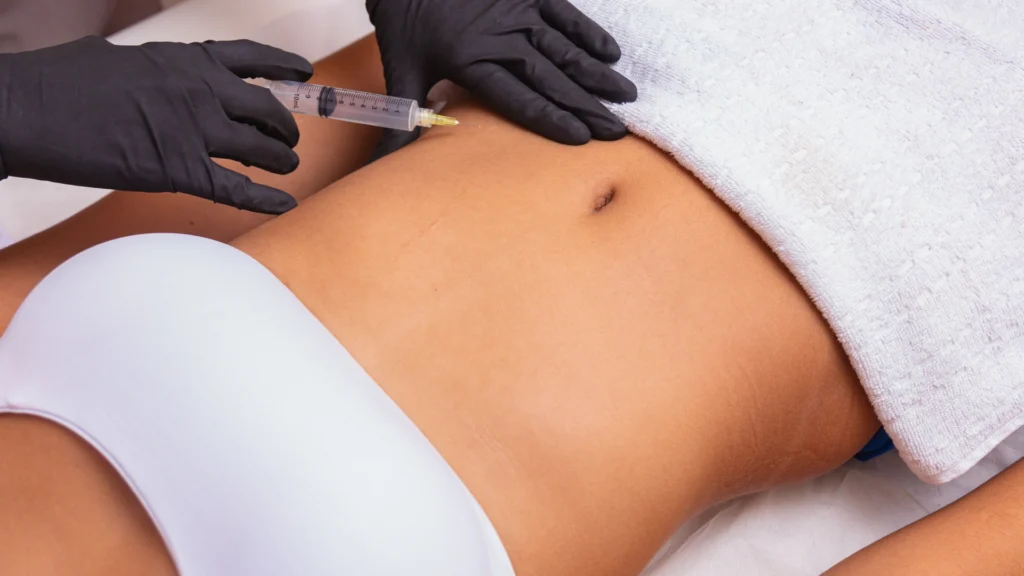
Fatty acids become useful only after they enter cells and are converted into energy. Muscles are among the biggest users of fatty acids, especially during long periods of moderate exercise.
The heart also relies heavily on fatty acids because it works continuously throughout your life. Inside the mitochondria, fatty acids go through beta oxidation and eventually produce ATP.
This energy supports many important functions, including:
- Muscle movement
- Heart contractions
- Brain support
- Body temperature regulation
- Organ function
- Daily physical activity
The more efficiently your body converts fat into energy, the better it can meet increased energy demands.
Step 05: Metabolic Waste Products Are Naturally Removed

After fat is broken down and used for energy, the remaining byproducts are processed through the body’s seamless elimination systems. The liver plays a key role in metabolizing these substances before they are excreted.
This is a normal biological process that occurs continuously in the body. Following cosmetic lipolysis, the lymphatic system helps transport cellular debris from the treated area as part of this clearance process.
Together, these five steps show how lipolysis breaks down stored fat and converts it into usable energy whenever your body needs it.
How to Prepare for Lipolysis (Important Pre-procedure Guide)
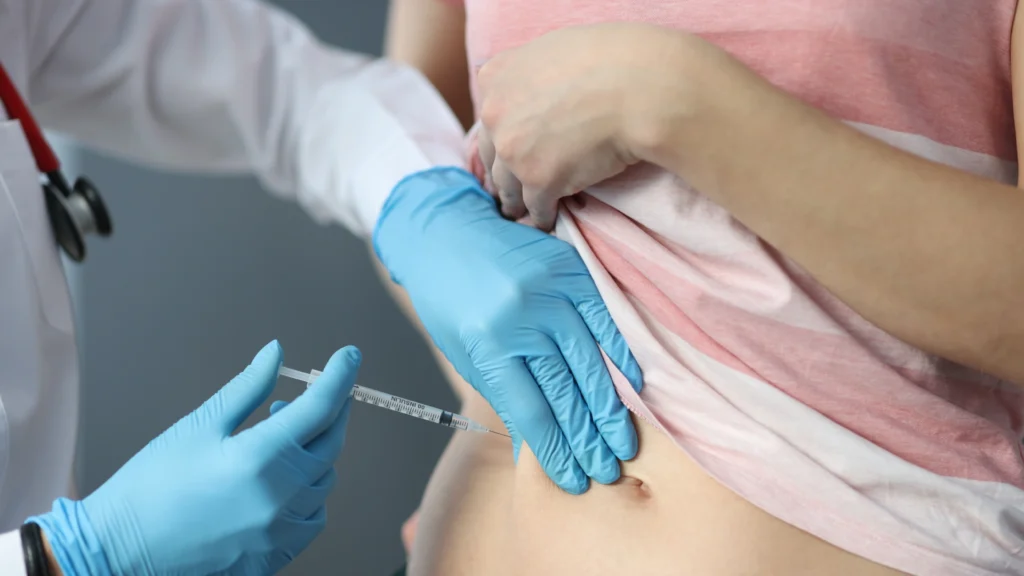
Preparing for lipolysis helps improve both safety and results.
Before treatment, your provider will review your medical history and discuss your goals. They may also examine the treatment area and explain what you can expect.
To prepare for your appointment:
- Stay well hydrated in the days before treatment.
- Eat a light meal unless your provider advises otherwise.
- Wear loose, comfortable clothing.
- Avoid alcohol for at least 24 hours before your session.
- Tell your provider about all medications and supplements you take.
- Follow any specific instructions given during your consultation.
If you smoke, medical professionals may recommend reducing or stopping smoking before treatment because smoking can slow the body’s smooth healing process.
Good preparation helps make the procedure smoother and supports recovery afterward.
What to Expect After Lipolysis
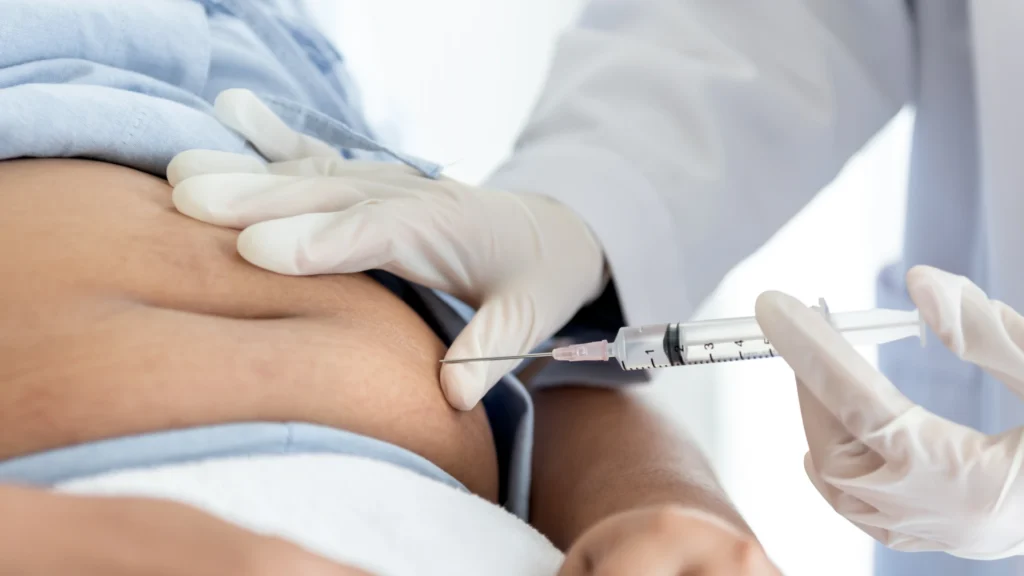
Recovery depends on the type of lipolysis treatment you receive.
Many non-surgical procedures require little or no downtime, allowing most people to return to their normal routine shortly after treatment.
Some temporary side effects are common, including:
- Mild swelling
- Redness
- Tenderness
- Bruising
- Temporary numbness
These effects usually improve within a few days or weeks.
It is important to remember that fat removal happens gradually. Your body needs time to break down and remove the treated fat cells naturally.
Maintaining a balanced diet and regular exercise can help preserve your results over time.
Lipolysis Treatment Timeline
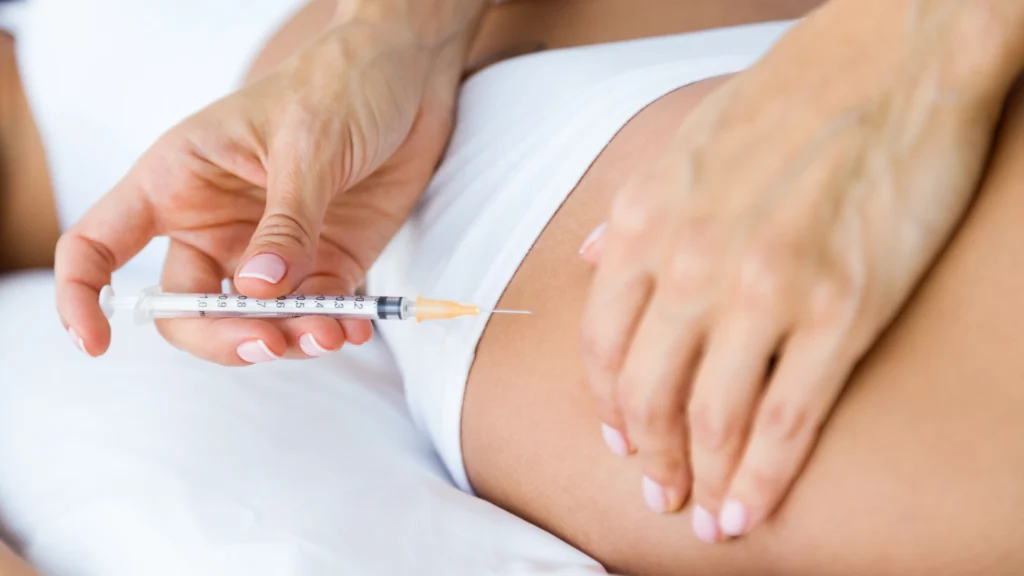
Every person’s results develop at a slightly different pace. A typical timeline looks like this:
- Day 1 to 3: Mild redness, swelling, or tenderness may occur.
- Week 1 to 2: Most temporary side effects begin to improve.
- Week 3 to 6: The body continues removing treated fat cells, and early contour changes may become noticeable.
- Week 8 to 12: Many people see their final results as the body finishes clearing the treated fat.
Some individuals may benefit from additional sessions depending on the treatment area and their desired outcome.
Achieve Your Body Goals with a Customized Lipolysis Procedure
If you are thinking about body contouring, learning how lipolysis works is a great place to start. Understanding the lipolysis process makes it easier to see how your body naturally uses stored fat for energy.
Lipolysis is designed to reduce small pockets of stubborn fat that may remain even after regular exercise and a balanced diet. While it is not a weight-loss treatment, it can help improve body contours by targeting specific areas that are difficult to reshape through lifestyle changes alone.

Choosing an experienced provider is just as important as selecting the right treatment. At The Beauty Lounge Toronto, every lipolysis procedure begins with a personalized consultation to understand your body shape, treatment goals, and expectations. This allows the treatment plan to be tailored to your individual needs while focusing on safe, natural-looking results.
Whether you want to refine your body contours or reduce stubborn fat deposits, a customized lipolysis procedure can help you achieve your aesthetic goals. Book your consultation with a leading clinic to discuss the best treatment option for your needs and learn what results you can realistically expect.
FAQs
Yes, they can be. Some treatment specialists combine different lipolysis technologies to improve body contouring results. The choice depends on your treatment goals, the amount of fat being treated, skin quality, and the area being targeted. Every treatment plan is customized to your individual needs.
The length of a lipolysis session varies from person to person. It depends on the size of the treatment area, the technology being used, and the number of areas treated during the same appointment. Time is also allowed for preparation, treatment, and aftercare instructions.
Patient comfort is carefully managed throughout the procedure. Depending on the treatment, a medical professional may use a cooling system, numbing cream, or local anesthetic. The treatment settings can also be adjusted during the session to help make the experience as comfortable as possible.
Before treatment begins, a healthcare professional reviews your medical history and examines the treatment area. Your goals are discussed, possible risks are explained, and your overall suitability for lipolysis is assessed. These steps help create a safe and personalized treatment plan.
Yes. Most modern lipolysis systems allow treatment settings to be adjusted during the procedure. If needed, the clinician can pause the session or modify the energy level. This helps improve comfort while ensuring the targeted area is treated safely and accurately.
Throughout the procedure, the cosmetic practitioner carefully monitors the treatment area and your skin’s response. Small adjustments may be made to the device settings or treatment position when needed. These decisions help target fat more precisely while protecting the surrounding healthy tissue.