
Glucagon and Lipolysis? A Simple Guide to Fat Breakdown
You open the refrigerator, hoping to grab a quick snack.
It’s almost empty.
For a moment, you wonder what you’re going to eat. Then you remember there is still food waiting in the pantry.
Your body handles energy in a similar way.
When fuel from your last meal starts running low, your body begins using its stored energy to keep you going.
But what tells your body it’s time to make that switch?
Does glucagon increase lipolysis?
Or does glucagon cause lipolysis?
The answer is not as simple as yes or no. Glucagon affects different tissues in different ways.
In this guide, you’ll learn about glucagon and lipolysis, what research says about its effect on fat breakdown, and why this process involves more than one hormone.
What is Glucagon?
Glucagon is a natural hormone your pancreas makes whenever your body needs help keeping energy available between meals.
Think of glucagon as your body’s messenger.
When blood sugar starts to fall, glucagon sends a signal to the liver to release stored glucose. This helps your body maintain a steady supply of fuel when it needs it.
But glucagon does not only affect glucose.
It also connects with how your body manages fat metabolism, which is why glucagon is often discussed alongside lipolysis.
What is Lipolysis?

Lipolysis is your body’s natural process of breaking down stored fat when it needs an additional source of energy.
Instead of depending only on the food you’ve recently eaten, your body can tap into the fat stored inside fat cells.
During this process, stored fat is broken down into fatty acids and glycerol. These components can then travel through the bloodstream and be used by muscles and other tissues.
Lipolysis happens naturally every day. It becomes more active during fasting, exercise, or longer periods between meals when your body needs to use its stored resources.
In simple terms, lipolysis works by helping your body access the energy it has saved for later.
Does Glucagon Increase Lipolysis?
Glucagon is connected with lipolysis, but its direct effect on body fat cells is limited. It helps your body adjust to changes in fuel availability and energy needs.
The glucagon effect on lipolysis depends on the tissue involved and the body’s metabolic state.
Let’s look closer at how glucagon affects fat breakdown.
How Glucagon Affects Fat Breakdown

Glucagon does not affect every tissue in the same way. Its effects vary depending on whether it is acting in the liver or in fat tissue.
➔ In the liver, glucagon helps maintain energy supply by supporting glucose production. During this process, products from fat breakdown can help provide fuel.
➔ In body fat tissue, glucagon has a smaller direct effect on adipose tissue lipolysis. Instead, it mainly helps support your body’s overall energy balance while other hormones also contribute to fat metabolism.
Glucagon helps regulate how your body manages fuel, but fat breakdown depends on multiple hormones working together.
How Does Glucagon Stimulate Lipolysis? (Mechanism Explained)
Although glucagon is often linked with lipolysis, its role is more supportive than direct. It helps your body adapt when energy from food becomes limited by activating cellular signaling pathways involved in energy regulation. The exact response depends on the type of tissue receiving the signal.
Let’s look at how this process works step by step:
Step 1: Glucagon Release
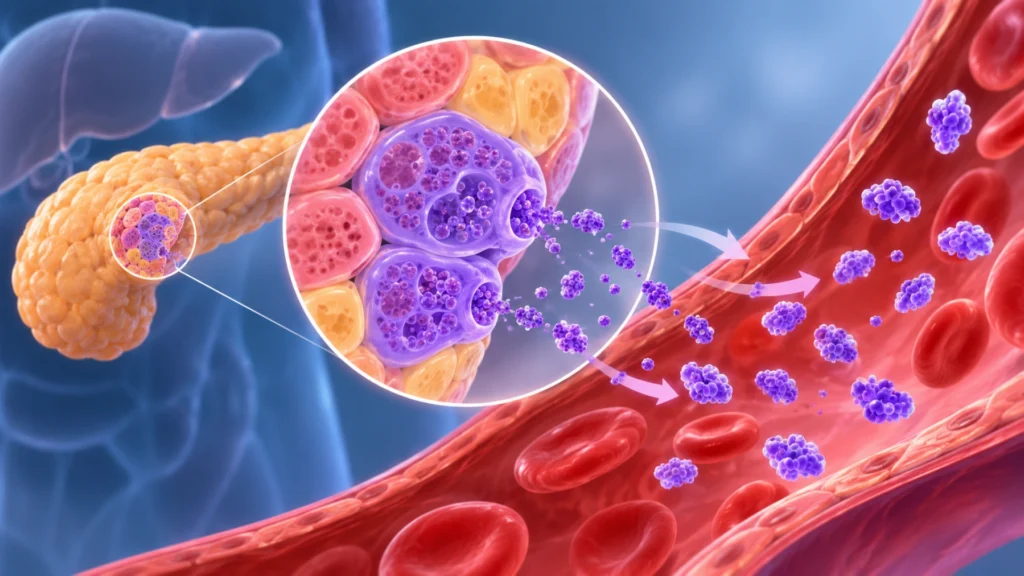
The process begins when alpha cells in the pancreas release glucagon into the bloodstream.
This hormone does not act randomly. It travels through the body looking for cells that carry the right receptors.
Once glucagon reaches a responsive cell, the next stage of the process can begin.
Step 2: Receptor Binding
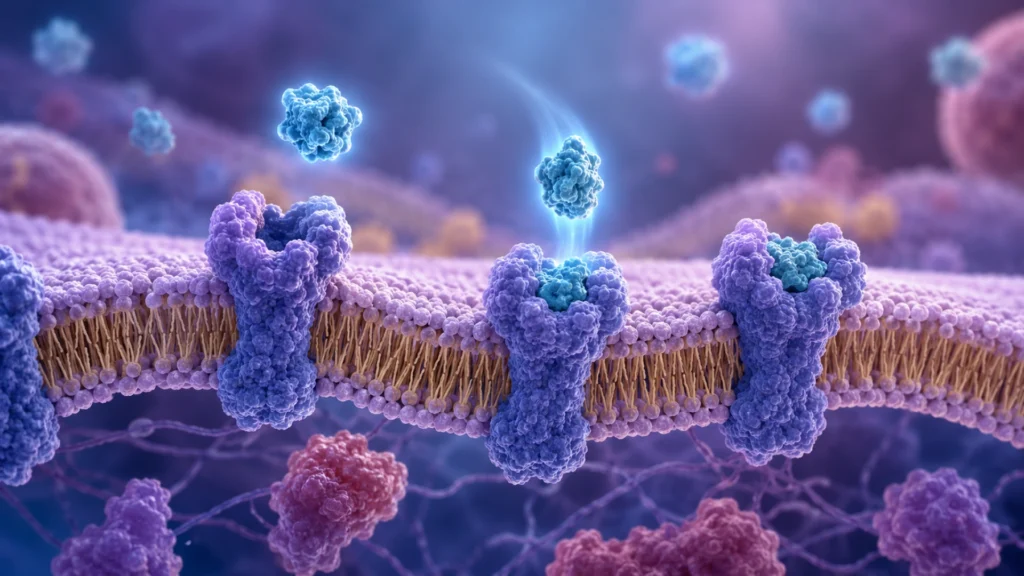
Glucagon needs to connect with a matching receptor before it can send instructions.
When glucagon attaches to the receptor, it activates changes inside the cell.
This connection does not break down fat by itself. Instead, it starts a chain of signals that tells the cell what to do next.
Step 3: cAMP Signaling Pathway
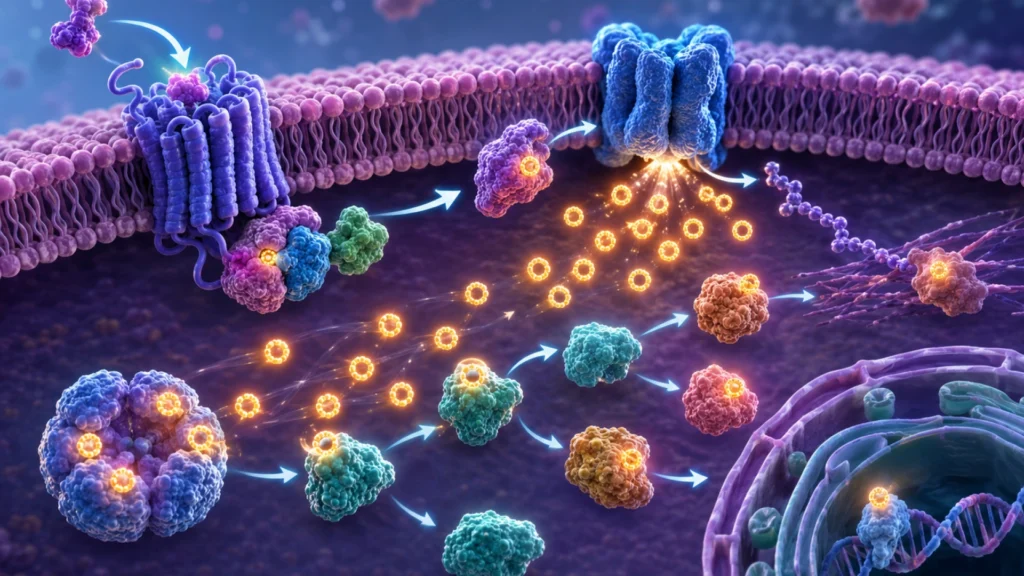
After receptor binding, the cell creates a messenger called cyclic AMP (cAMP).
You can think of cAMP as an internal communication system.
It carries the message from the glucagon receptor deeper into the cell and helps activate the next steps in the process.
Step 4: PKA Activation
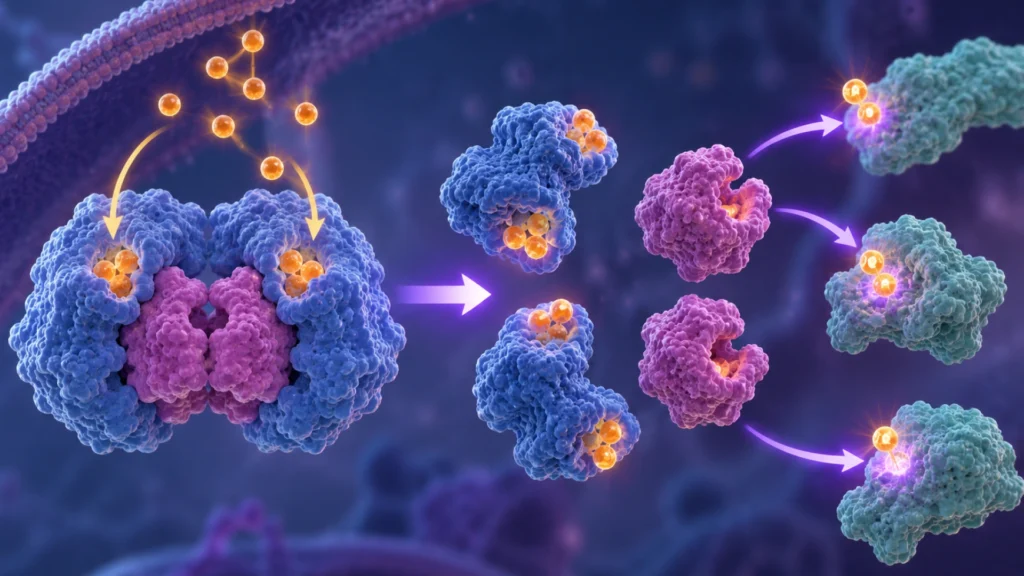
The cAMP signal then activates a protein called protein kinase A (PKA).
Think of PKA as a switch that helps turn the next part of the pathway on.
Once activated, PKA helps control the actions happening inside the cell.
This step allows the signal to move forward and prepares the cell for changes related to fat processing.
Step 5: Activation of Fat Breakdown Enzymes
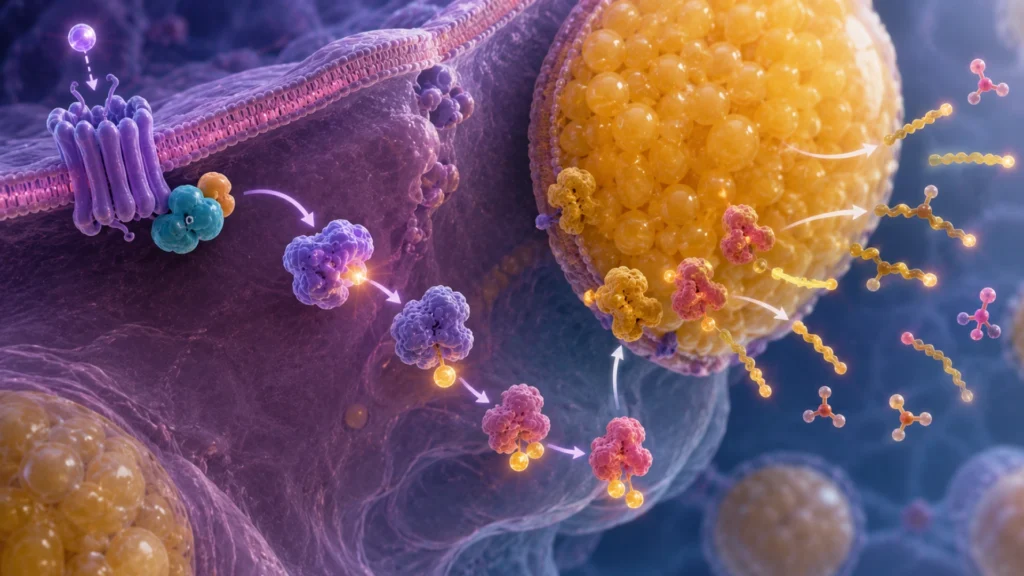
Once these signals are activated, they help regulate how the body responds to changing energy needs.
In the liver, glucagon supports fuel availability and energy balance.
In fat tissue, lipolysis enzymes such as ATGL, HSL, and MGL are mainly activated by hormones like epinephrine.
Glucagon plays a supportive role in this overall process.
When these enzymes break down stored triglycerides, they release fatty acids and glycerol that the body can use for energy.
Step 6: Release of Fatty Acids
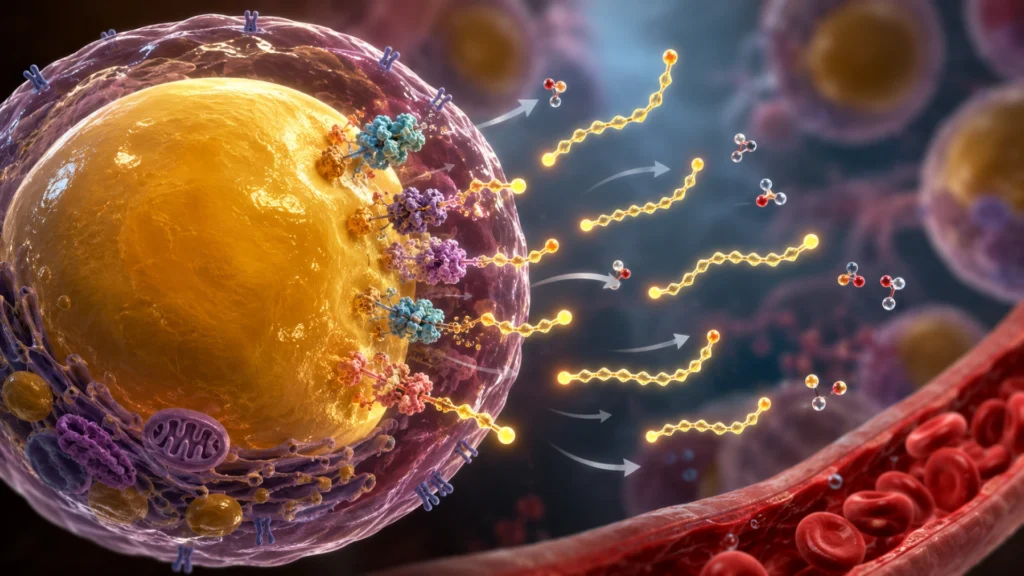
Once triglycerides are broken down, fatty acids become available.
They can then move through the bloodstream and be used by tissues that need energy.
This is how a hormonal signal can lead to changes in how stored fat is processed.
This signaling pathway helps the body respond to changes in energy availability. However, the exact response depends on the type of tissue receiving the signal.
What Happens During Fasting? The Role of Glucagon in Fat Metabolism

When you stop eating, your body gradually changes how it gets fuel. As energy from food becomes less available, your body begins using stored resources. This is where glucagon and lipolysis become connected.
| Fasting Stage | What Happens in Your Body | Role of Glucagon |
| 0 to 4 Hours (Fed State) | Your body mainly uses energy from your recent meal, while extra nutrients are stored for later. | Glucagon activity remains lower as the body focuses on available nutrients. |
| 4 to 18 Hours (Postabsorptive State) | Energy from your meal decreases, and your body begins relying more on stored resources. | Glucagon levels rise to help maintain stable blood sugar levels. |
| 18 to 48 Hours (Gluconeogenesis) | Your body creates new glucose while fat metabolism becomes more active. | Glucagon helps signal the liver to maintain glucose production when food intake is reduced. |
| 48 to 72 Hours (Ketosis) | Your body increases fat use, and the liver produces more ketones as fat metabolism becomes more active. | Glucagon supports the body’s fasting adaptation by helping regulate glucose production and energy balance. |
| Longer fasting periods (Adaptation phase) | Your body becomes more adapted to using fat and ketones while reducing reliance on glucose. | Glucagon continues helping regulate energy balance as your body adapts to prolonged fasting. |
The answer is more complex because glucagon works alongside other hormones that control fat breakdown.
Can Glucagon Cause Fat Loss?
Although glucagon is involved in fat metabolism, it does not directly cause weight loss or target specific areas of the body.
Glucagon helps your body adjust how it uses stored fuel when energy needs change. However, changes in body fat depend on many factors, including overall energy balance and lifestyle habits.
Lipolysis Does Not Always Mean Fat Loss

Breaking down fat and losing body fat are connected, but they are not the same thing.
Lipolysis is the process where stored triglycerides are broken down into fatty acids and glycerol. These fatty acids can be used as fuel by the body.
Fat loss happens when your body uses more energy than it stores over time. This creates a reduction in stored body fat.
The fatty acids released during lipolysis may be used for energy. If they are not needed immediately, they can be stored again.
How Glucagon May Support Fat Loss

Glucagon may support fat metabolism by helping your body manage stored energy when fuel availability changes.
→ Supports stored fuel use:
Glucagon helps your body adjust how it uses stored energy when additional fuel is needed.
→ Affects liver metabolism:
Glucagon plays an important part in liver processes that help regulate glucose production and maintain energy balance.
Glucagon is one part of a larger system that controls how your body stores and uses fuel. Other hormones and factors also influence how fat metabolism changes over time.
Do Glucagon Agonists Increase Fat Burning?

If you are exploring fat metabolism, you may have come across terms like glucagon agonists and peptides.
These medications are designed to influence hormone pathways linked with energy use and metabolism. Some newer therapies combine glucagon activity with other hormones to study their effects on body composition.
However, glucagon agonists are different from the glucagon your body naturally produces. They are not a simple fat-burning solution or a shortcut for changing your body shape.
Other compounds, such as AOD9604 and tesamorelin, are also studied for fat metabolism. However, they work differently and are not the same as glucagon-based therapies.
Glucagon vs Insulin vs Epinephrine in Fat Metabolism
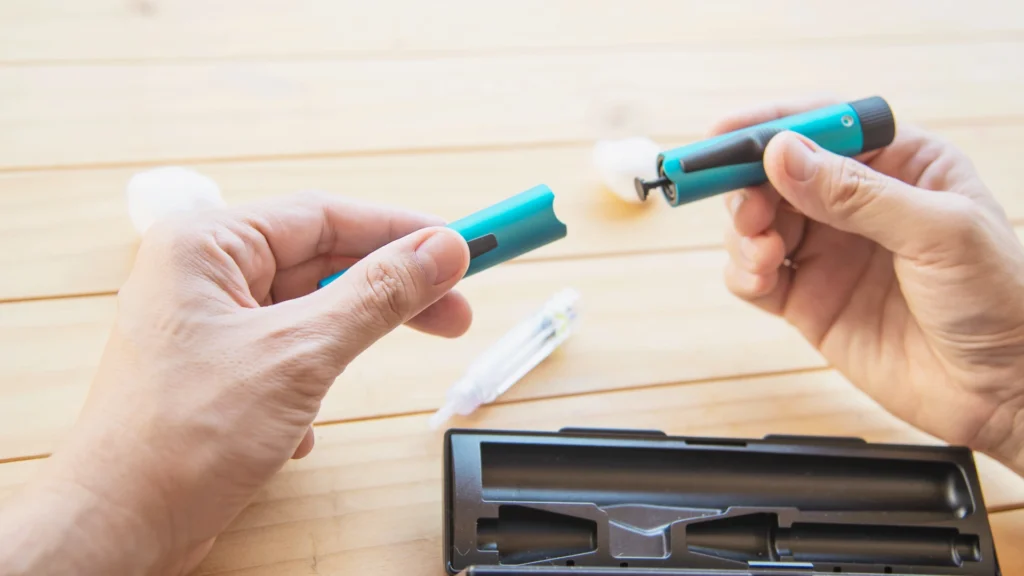
Your body uses different hormones to manage when energy is stored and when it becomes available for use. Each hormone sends a different signal based on your body’s needs.
| Hormone | What It Mainly Does | Effect on Fat Metabolism |
| Glucagon | Helps regulate fuel balance when your body needs energy between meals | Supports fuel use but has a smaller direct effect on fat cells |
| Insulin | Helps manage energy after eating | Encourages energy storage and slows down fat breakdown |
| Epinephrine (Adrenaline) | Helps your body respond during exercise, stress, or increased energy demand | Has a strong effect on fat breakdown by helping release fatty acids from fat cells |
These hormones work together to control how your body manages fuel. Insulin mainly supports storage, glucagon helps maintain balance, and epinephrine plays a stronger part in activating fat breakdown when energy demand rises.
Common Myths About Glucagon and Fat Loss

When it comes to fat loss, it is easy to look for one simple answer.
Many people hear about hormones like glucagon and assume one hormone controls the entire fat-loss process. But your body works through a balance of different signals that help decide when to store energy and when to use it.
Let’s clear up some common myths about glucagon and lipolysis.
Myth 1: Glucagon directly burns fat from your fat cells
Fact: Glucagon does not work like a fat-burning switch inside your fat cells.
It helps your body adjust how it uses stored energy when fuel needs change. However, fat release from fat tissue is influenced by several hormones and signals working together.
Myth 2: More glucagon means faster fat loss
Fact: Higher glucagon levels do not automatically lead to weight loss.
Your body does not lose fat because of one hormone alone. Changes in body fat depend on your overall eating habits, activity level, and how your body manages energy.
Myth 3: Glucagon can target stubborn belly fat
Fact: Glucagon cannot choose where your body loses fat.
Just like other natural fat-loss processes, your body decides where stored fat is used based on your individual biology and energy needs.
Myth 4: Glucagon and insulin have the same effect on fat metabolism
Fact: These hormones send different signals in your body.
Insulin mainly helps store energy after meals, while glucagon helps your body respond when energy availability changes. Both are part of the system that manages fuel balance.
Myth 5: Increasing glucagon alone can guarantee fat loss
Fact: There is no single hormone that guarantees weight loss.
Although researchers study glucagon’s connection with fat metabolism, lasting fat loss depends on many factors working together.
Your body does not rely on one hormone alone. Glucagon works with other signals to help manage energy use and fat metabolism.
Want to Maximize Lipolysis for Stubborn Fat?
Understanding how glucagon and lipolysis work can help you better understand how your body manages stored energy. While hormones play an important role in fat metabolism, they are only one part of a much larger process that supports your body’s natural energy balance.
Healthy eating, regular exercise, quality sleep, and consistent lifestyle habits all contribute to long-term fat management. Even with these efforts, some areas of stubborn fat may remain difficult to address through lifestyle changes alone.

If you’re considering professional options for stubborn fat, The Beauty Lounge Toronto offers personalized consultations to help you understand which treatment may best suit your goals. Every treatment plan is tailored to your individual needs and designed to support natural-looking results.
Book your consultation today to learn more about the treatment options available. Receive expert guidance, get answers to your questions, and take the next step toward achieving your aesthetic goals with confidence.
FAQs
If you are wondering whether glucagon helps with weight loss naturally, it is important to know that it supports your body’s energy balance but does not work as a direct weight-loss solution. Your results depend on many factors, including nutrition, movement, daily habits, and how your body uses energy.
No, glucagon does not generally inhibit lipolysis. It is connected with your body’s response to using stored energy when fuel is needed. However, its effect on fat cells is more limited compared with hormones like epinephrine. Fat breakdown depends on multiple signals working together throughout your body.
No, glucagon cannot specifically target belly fat or remove fat from one area. Your body decides where stored fat is used based on many factors. Hormones like glucagon support energy management, but overall fat reduction depends on your lifestyle, habits, and natural body processes.
Protein-rich foods can naturally stimulate glucagon release after meals. However, this is part of your body’s normal hormone response and should not be viewed as a direct method for fat loss. Foods such as eggs, fish, lean meats, and other protein sources may support this process. However, no single food can guarantee increased fat loss.
Some treatments that involve glucagon pathways are being researched for weight management. These approaches are usually combined with other methods rather than used as a simple fat-burning solution. Any medication-based option should always be discussed with a qualified healthcare professional.