
How to Activate Lipolysis: 9 Science-Backed Ways to Trigger Fat Breakdown
You fill your car’s tank before a busy week. The fuel stays there until you need it.
Your body also keeps extra fuel stored for times when energy demands increase. Fat cells hold this stored energy and release it when your body needs more power.
However, this process does not happen by chance. Your body has built-in systems that control when fat cells release their stored fuel.
But what triggers your body to release it?
How does lipolysis begin inside your fat cells?
Lipolysis is the natural process that breaks down stored fat into fuel your body can use. Understanding how to activate lipolysis helps explain how your body manages its energy reserves.
Let’s explore the triggers that activate lipolysis and the science behind fat breakdown.
What Is Lipolysis?

It is your body’s natural way of using stored fat for energy. When your body needs more fuel, it starts releasing energy from fat cells.
During this process, stored fat breaks down into free fatty acids and glycerol. Your body can then use these as a source of energy.
Lipolysis does not happen at random. Your body waits for the right signals before releasing these reserves. Hormones, enzymes, and other biological signals work together to control this process.
Lipolysis helps your body by:
- Providing fuel between meals
- Supporting exercise and daily movement
- Helping during fasting
- Keeping your body’s energy supply balanced
Lipolysis only releases the building blocks your body can use. Your cells still need to convert them into energy.
What Activates Lipolysis?
So, what tells your body to start lipolysis? It begins through a combination of hormonal and cellular signals. That is when it starts using stored fat for fuel.
Many people ask what activates lipolysis or what stimulates lipolysis. The answer is not one single trigger. Several factors work together before your body releases fat.
Each one plays a different part. Together, they help your body access stored fuel when it needs it most.
9 Science-Backed Biological Mechanisms That Activate Lipolysis
Your body does not break down stored fat in one step.
It follows a chain of signals inside your fat cells.
One signal starts the process. Another carries the message. Enzymes then help release stored fat and turn it into usable energy.
But what activates lipolysis inside your body?
Let’s look at how these nine biological mechanisms help activate lipolysis:
Reduced Insulin Signaling
After eating, your body releases insulin to help manage blood sugar.
When insulin levels are high, your body focuses more on storing energy. It slows down the release of stored fat.
When insulin levels drop, this signal changes. Your body becomes more ready to use stored fat as fuel.
Reduced insulin signaling helps create the right conditions for lipolysis activation.
Catecholamine Release

Your body needs a signal before fat cells start releasing stored energy.
This signal comes from hormones called catecholamines. The main examples are adrenaline and noradrenaline.
These hormones act like a message sent to fat cells.
They tell your body:
- Your body may need energy.
- Fat fuel can become available.
- Fat cells should prepare for breakdown.
This is one of the first steps that helps trigger lipolysis.
β-Adrenergic Receptor Activation
A message cannot work unless the cell receives it.
Fat cells have special receivers called beta-adrenergic receptors. These receptors sit on the surface of fat cells.
When catecholamines connect with these receptors, they send the signal inside the cell.
This starts a series of changes that helps increase lipolysis.
Simple example:
Think of the receptor like a doorbell. The hormone presses the button, and the cell receives the message.
cAMP Messenger Activation
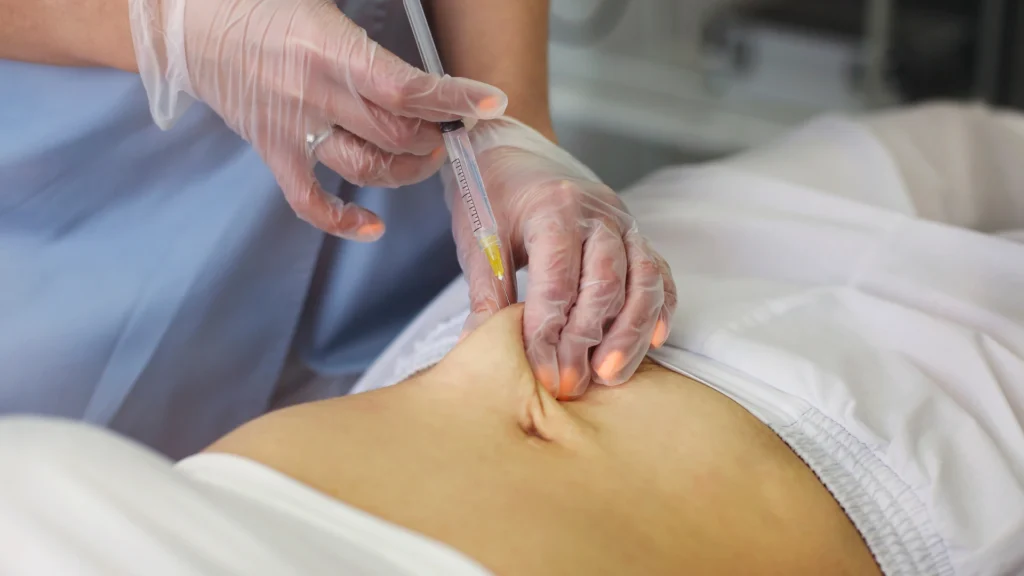
Once the signal enters the fat cell, it needs to travel deeper.
This is where cAMP helps.
cAMP works like a small messenger inside the cell. It carries information from the receptor to other parts of the cell.
This message tells the cell to continue the breakdown process.
Without this signal, the lipolysis pathway cannot move forward.
Protein Kinase A (PKA)

After cAMP sends the message, Protein Kinase A (PKA) becomes active.
PKA works like a control switch inside the fat cell.
It helps activate proteins involved in breaking down stored fat. It also prepares important enzymes for the next stages.
Once PKA activates the next stage, lipolysis enzymes begin breaking down stored fat.
Why it matters:
PKA links hormone signals with enzymes that help release fatty acids from fat cells.
Adipose Triglyceride Lipase (ATGL)
Your body stores fat in a form called triglycerides.
ATGL starts the first step of breaking these large fat molecules apart.
It acts like the first tool that opens stored fat.
ATGL helps:
- Start triglyceride breakdown
- Release smaller fat molecules
- Prepare fat for the next enzyme
Without ATGL, the lipolysis process cannot move forward.
Hormone-Sensitive Lipase (HSL)
After ATGL begins the breakdown, another enzyme continues the work.
This enzyme is hormone-sensitive lipase, or HSL. HSL breaks down smaller fat molecules created during the earlier step.
It helps release more fatty acids from stored fat so they can move toward energy use.
Think of ATGL as starting the job and HSL as continuing it.
Monoglyceride Lipase (MGL)
MGL completes the final stage of fat breakdown inside the fat cell.
After earlier enzymes reduce triglycerides into smaller parts, MGL handles the remaining molecule.
It releases free fatty acids and glycerol.
These products can now enter other pathways where your body can use them for energy.
Fatty Acid Oxidation
Releasing fatty acids is only part of the process. The next step is converting them into usable energy.
This is where fatty acid oxidation begins.
During fatty acid oxidation, cells break down fatty acids to help produce ATP, the form of energy cells can use.
Lipolysis releases the fuel. Fatty acid oxidation uses the fuel. Together, these steps help your body turn stored fat into usable energy.
What Triggers Lipolysis?
Your body activates lipolysis when it needs more energy.
Different situations can influence how your body controls energy use. These triggers affect signals and hormones that help your cells free fatty acid release.
→ Physical Exercise: Regular movement increases your body’s energy needs. Activities like walking, running, and training can help your body use energy stores.
→ Fasting Between Meals: Time between meals changes how your body uses available energy. Longer gaps may encourage your body to rely more on stored fat.
→ Calorie Deficit: Eating fewer calories than your body uses creates an energy gap. This can increase the need for energy from fat stores.
→ Sleep Quality: Good sleep supports normal body functions. It also helps maintain healthy hormone patterns linked with energy balance.
→ Cold Exposure: Cold temperatures increase your body’s need to produce heat. This may influence how your body manages energy use.
→ Hormonal Changes: Sleep, fasting, and activity can affect how your body uses energy.
Understanding triggers helps explain how lipolysis responds to habits and energy needs.
What Can Reduce or Slow Lipolysis?

Lipolysis can change based on your daily habits, body signals, and lifestyle.
Some factors can make fat breakdown less active. They may affect how your body manages stored energy over time.
- Eating frequent high-calorie meals can keep your body focused on storing extra fuel.
- A diet high in added sugar can raise insulin levels and reduce fat release.
- Low physical activity can decrease your body’s need for immediate fuel.
- Poor sleep habits may affect normal body rhythms and energy regulation.
- Long-term stress can influence normal body functions linked with metabolism.
- Extreme dieting can affect how your body manages energy balance.
These factors show why lipolysis can vary in different situations. Supporting healthy daily habits may help maintain normal energy balance and metabolic function.
3 Medical Treatments That Promote Lipolysis
Some stubborn fat areas may not change with lifestyle habits alone.
Medical lipolysis treatment uses different methods to target fat cells. These options use special tools and techniques to support body contouring.
Injectable Lipolysis
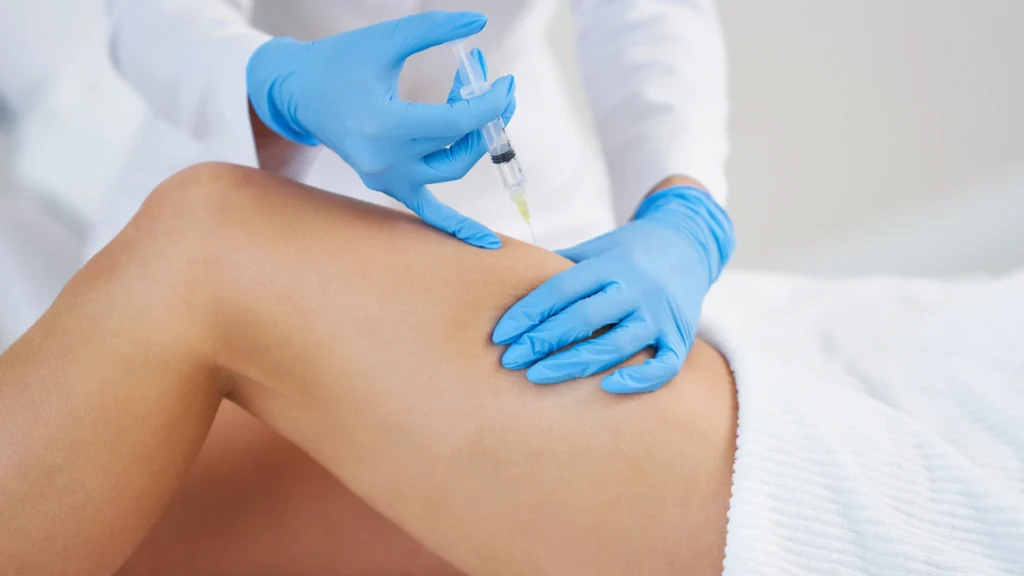
Injectable lipolysis uses injections to target small areas with unwanted fat.
The solution works on fat cells in specific areas. Your body can process the fat cell contents over time.
This treatment can help improve areas where you want more focus. Results can vary based on the treatment area and your body’s response.
Laser Lipolysis
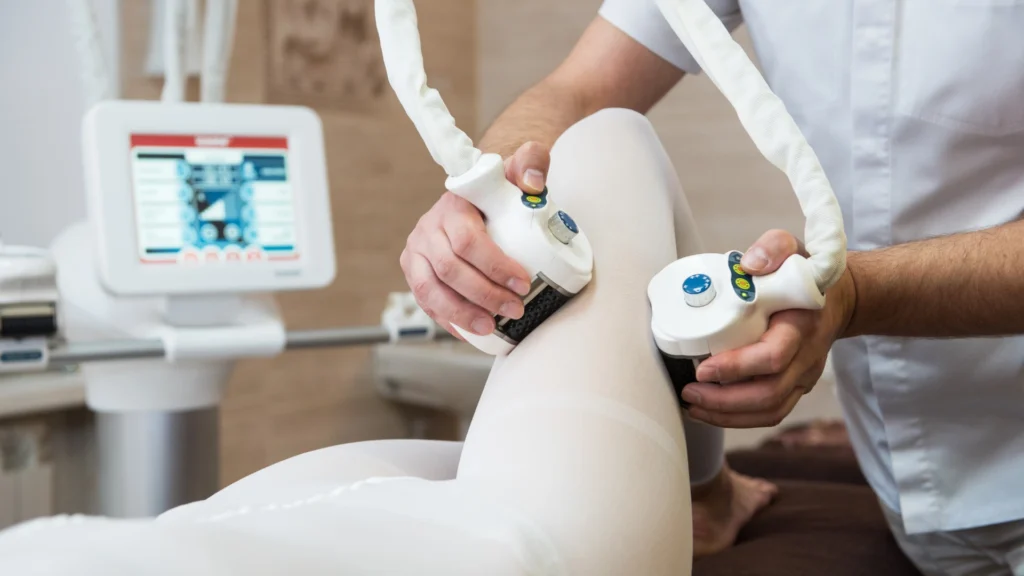
Laser lipolysis uses laser energy to affect fat cells under the skin.
The heat from the laser may help reduce fat volume and improve body shape. Laser treatment can also help support firmer-looking skin. This method may help stimulate lipolysis and support fat reduction.
Ultrasonic Lipolysis

Ultrasonic lipolysis uses sound wave energy to create changes within fat cells.
This non-invasive method supports body contouring without traditional surgical techniques. It is often used for areas with unwanted fat to support body contouring goals.
Results may vary based on the technology, treatment plan, and personal factors.
Medical treatments can support lipolysis, but results depend on many factors. A professional can help determine which approach fits specific needs.
Reduce Stubborn Fat With Advanced Lipolysis Treatments
Your body has a natural way of managing energy. Knowing how to activate lipolysis starts with understanding the signals that control this process.
Daily habits like movement, food, and sleep can affect how your body manages fat. Advanced treatments may also support lipolysis and help improve specific areas.

Everyone’s body responds in its own way. The Beauty Lounge Toronto provides personal guidance. Advanced lipolysis treatments help clients find options that fit their needs.
Book your consultation to explore lipolysis options. A professional can help you understand the right choice for your needs.
FAQs
Yes, lipolysis can occur without weight loss. Your body may break down stored fat, but this does not always change your scale weight. The released fatty acids can provide energy or return to fat stores. Weight changes depend on your calorie balance, activity, and body composition.
Yes, lipolysis can happen after eating, but it may slow down. After a meal, your body focuses on using available nutrients for energy. Hormones, meal timing, and your energy needs affect how your body stores and releases fat. This balance changes based on what your body needs at that time.
Yes, lipolysis can continue while you sleep. Your body still needs energy for important functions like breathing and circulation. Sleep-related hormone changes can influence how your body manages stored fuel. The level of lipolysis may vary based on your habits, metabolism, and overall health.
Lipolysis can begin when your body gets signals to release stored fat. Exercise, fasting, hormones, and energy needs can affect how quickly this happens. The process may change throughout the day as your body responds to different needs. There is no fixed timeframe for everyone.
Yes, lipolysis can be activated without ketosis. Your body can release stored fat during normal activities, exercise, and periods between meals. Ketosis is a separate metabolic state that happens when your body uses more fat for energy. It is not required for lipolysis to occur.