
How to Increase Lipolysis Naturally: Healthy Ways to Burn Fat in 2026
Have you ever skipped lunch because you were busy?
Your stomach starts to growl. Your energy drops. But your body does not stop working. It has another source of fuel.
It begins using some of the fat stored in your body.
This process is called lipolysis.
Your body does it every day. But it does not always happen at the same rate. Some daily habits can support lipolysis. Others can slow it down. The way you eat, move, sleep, and manage stress all play a role.
Knowing how to increase lipolysis naturally starts with understanding what helps your body use stored fat more efficiently.
What is Lipolysis?

Lipolysis is your body’s natural way of breaking down stored fat for energy.
Most of the fat in your body is stored inside fat cells as triglycerides. When your body needs extra fuel, it breaks these triglycerides into fatty acids and glycerol. The fatty acids then travel through your bloodstream, where your muscles and other tissues can use them for energy.
Lipolysis happens throughout the day. It becomes more active when your body needs more energy than it is getting from food. This can happen during exercise, between meals, or while you sleep.
What Causes Natural Lipolysis

Your body does not break down stored fat at random. It responds to signals that tell it when more energy is needed.
One of the biggest triggers is an energy gap. When your body uses more energy than it gets from food, it begins to rely more on stored fat. This is why lipolysis often increases during exercise, fasting, or a calorie deficit.
Hormones also help control the process. Hormones like adrenaline and glucagon encourage fat breakdown, while insulin can slow it after you eat.
Your daily habits also matter. Regular exercise, balanced meals, quality sleep, and stress management all help create the conditions that support healthy lipolysis.
How to Increase Lipolysis Naturally
If increasing lipolysis were as simple as taking one supplement, everyone would do it.
In reality, it depends on how you live each day.
Exercise, nutrition, sleep, and stress all affect the signals that tell your body when to use stored fat. Small habits may seem unimportant, but they often make the biggest difference over time.
Exercise Regularly

The more you move, the more energy your muscles need.
Once the available fuel starts running low, stored fat starts working.
You don’t have to spend hours in the gym. A brisk walk, a bike ride, or a few strength workouts each week can all encourage this natural response.
Keep Insulin Levels in Check
Insulin rises after every meal. That’s normal. It helps move sugar into your cells so it can be used or stored.
When insulin stays high for most of the day because of constant eating or frequent snacks, fat breakdown slows. Leaving some time between meals and choosing balanced foods can help.
Try Intermittent Fasting

Some people naturally go 12 to 16 hours without eating, often overnight.
During that time, insulin gradually falls and stored fat becomes a more important source of fuel.
Intermittent fasting is one way to support lipolysis. Many people reach the same goal without following a fasting schedule.
Increase Your Protein Intake
A meal that includes enough protein usually keeps you satisfied for longer. That makes it easier to avoid unnecessary snacking.
Protein also helps preserve muscle while you’re losing weight. This matters because muscle burns more energy than fat. Even when you’re resting.
Prioritize Quality Sleep

A poor night’s sleep surely can leave you feeling tired. But it can increase hunger the next day and make high-calorie foods more tempting.
Over time, these changes can make fat loss more difficult. Getting enough sleep helps keep many of the hormones involved in metabolism working as they should.
Manage Chronic Stress
Stress changes your body’s environment. High cortisol levels can increase appetite, affect food choices, and encourage fat storage over time. Managing stress won’t replace a healthy diet or exercise, but it can make both easier to stick with.
Maintain a Sustainable Calorie Deficit
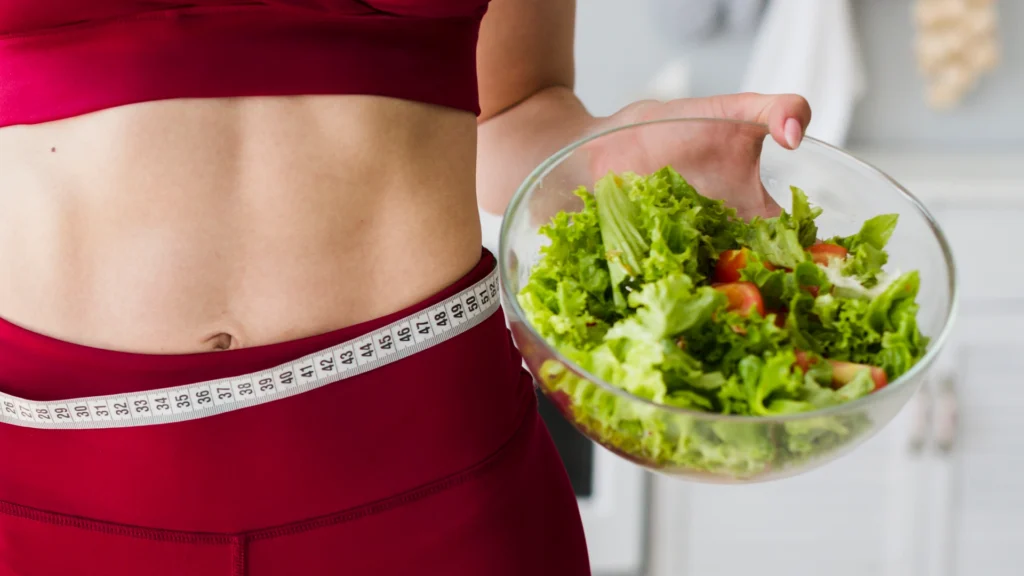
Stored fat is used when your energy needs are greater than the calories you eat. That doesn’t mean eating as little as possible. Extreme diets are difficult to maintain and often lead to muscle loss. A small, steady calorie deficit is usually easier to follow and more effective in the long run.
Stay Active Throughout the Day
An hour at the gym is only one part of the day. The hours before and after matter too.
Walking to nearby places, taking the stairs, standing more often, or doing household chores all increase the energy you use. These small habits add up and support healthy fat metabolism over time.
Foods That Support Natural Lipolysis
Some foods can support the conditions that encourage natural lipolysis.
They help by keeping you full, supporting muscle, maintaining steady energy levels, or influencing the hormones involved in fat metabolism.
Here are a few worth including in a balanced diet.
Protein- and Fibre-Rich Foods
Meals with a lot of protein keep you full for longer. It means less frequent snacking and overeating. Which keeps insulin spikes in control, and ultimately more lipolysis.
Protein is also important to keep muscles healthy while you lose weight. Lean meat, eggs, fish, beans, lentils and whole grains are great choices.
Coffee and Caffeine
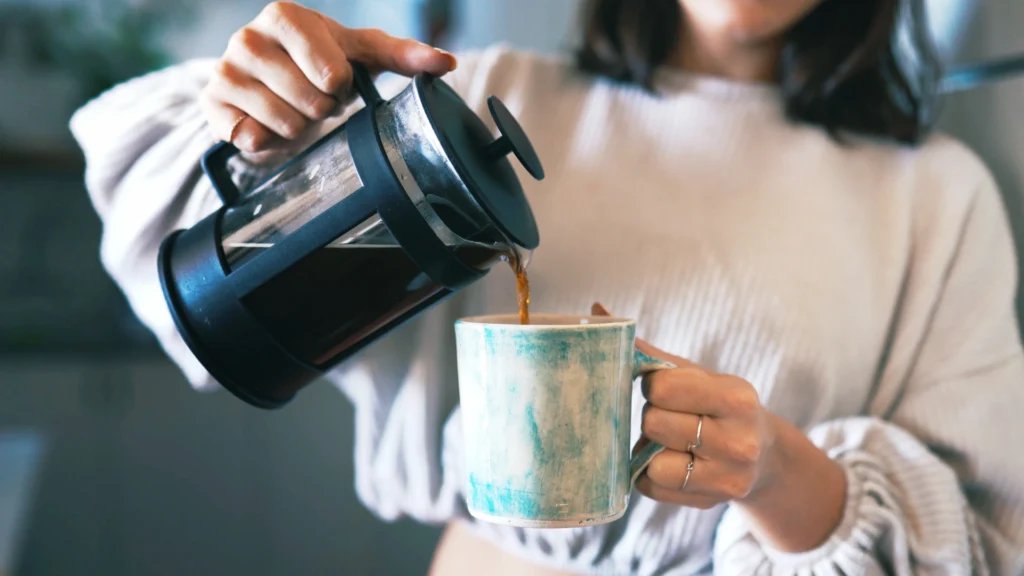
Caffeine in coffee wakes you up. It also increases the amount of energy spent by body which encourages fatty acids release from fat cells.
The effect is subtle and adding sugar or cream can reduce benefit.
Green Tea
Green tea contains caffeine and plant compounds called catechins. Together, they may slightly increase fat oxidation and energy expenditure in some people. The effect is small. Green tea works best as part of an overall healthy lifestyle not a standalone fat-loss solution.
Healthy Fats
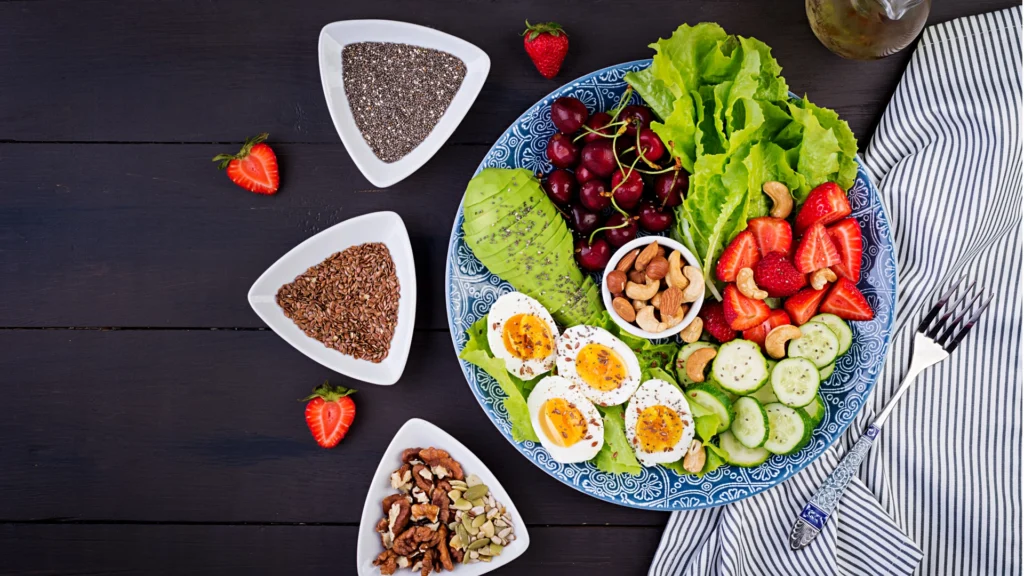
All fats do not work against your weight-loss goals.
Foods such as avocados, nuts, seeds, olive oil, and fatty fish provide healthy fats that support overall health and help you stay satisfied after meals.
Feeling full for longer can make it easier to maintain healthy eating habits and a calorie deficit.
Can Supplements Increase Lipolysis Naturally?

The supplements and pills for lipolysis claim to burn fat faster. Some of them do not have strong scientific support.
Some ingredients, such as caffeine and green tea extract, may have a small effect. They can slightly increase energy use or fat oxidation. The results are usually modest.
Supplements cannot replace exercise, healthy eating, or good sleep.
If your daily habits are poor, they are unlikely to make a noticeable difference. Focus on building healthy routines first. Consider supplements only as a small part of a much bigger picture.
Habits That Slow Down Natural Lipolysis
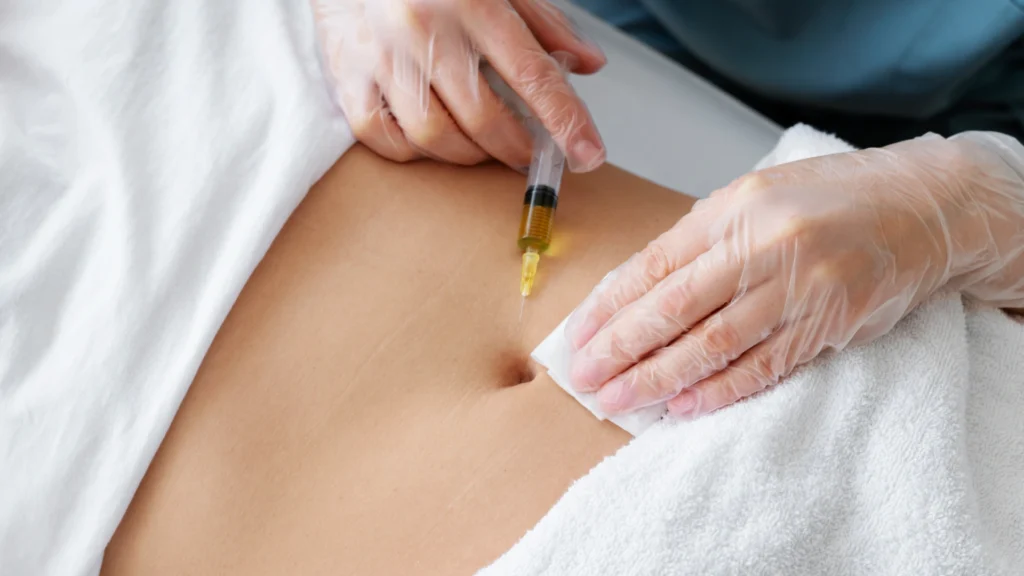
Healthy habits can support lipolysis. The opposite is also true. Some everyday habits make it harder for your body to use stored fat for energy.
→ Sitting for long periods reduces the amount of energy your body needs each day.
→ Frequent snacking keeps insulin levels high, making fat breakdown less active between meals.
→ Eating more calories than you burn gives your body less reason to use stored fat.
→ Poor sleep affects hormones that regulate hunger, appetite, and metabolism.
→ Chronic stress raises cortisol, which can increase appetite and encourage fat storage.
No single habit will stop lipolysis. But when several of these happen together, fat loss often becomes slower. Improving even one or two habits can make a difference over time.
When Natural Lipolysis May Not Be Enough
Healthy habits reduce body fat over time.
But some areas respond much more slowly than others. This is common around the stomach, thighs, flanks, and under the chin.
Age also plays a role. So do hormones and genetics. Even people at a healthy weight can have stubborn fat.
That does not mean your routine has failed. It simply means some fat deposits are harder to reduce.
Why Stubborn Fat Persists
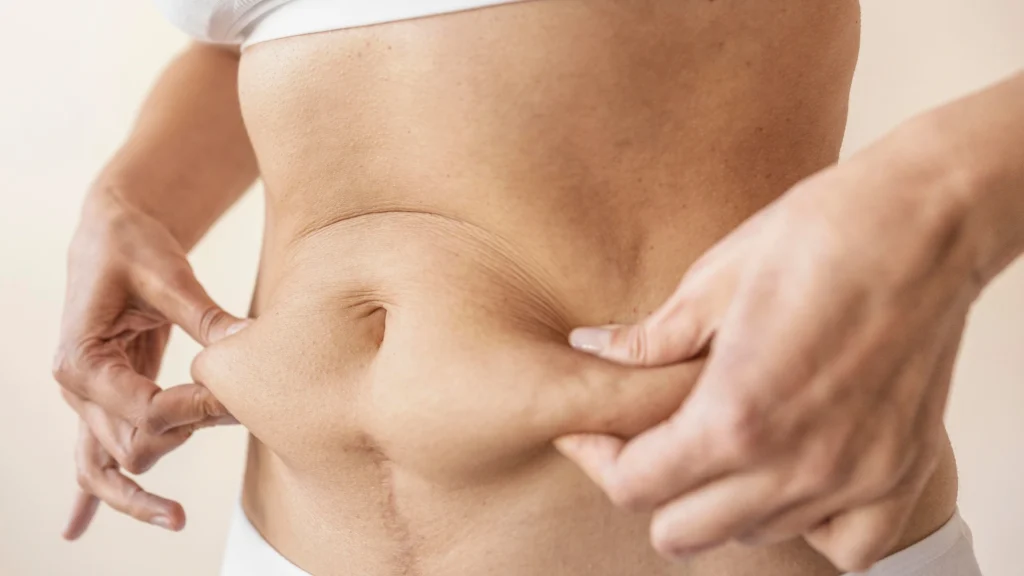
Natural lipolysis does not work at the same rate for everyone. Some factors are part of everyday life, while others are outside your control. Together, they can make fat loss slower or leave certain areas more resistant to change.
- Hormonal changes can affect how your body stores and breaks down fat.
- Aging naturally slows metabolism and changes fat distribution.
- Genetics influence where stubborn fat tends to develop.
- Certain medications may affect body weight or fat metabolism.
- Long periods of inactivity reduce daily energy use.
- Weight fluctuations can make stubborn fat more noticeable.
- Some areas naturally resist fat loss, even with healthy habits.
These factors do not stop lipolysis completely. They simply explain why some fat deposits are harder to reduce than others. When healthy habits are not enough, clinical fat reduction treatments may help target these stubborn areas.
Clinical Treatments That Complement Healthy Habits
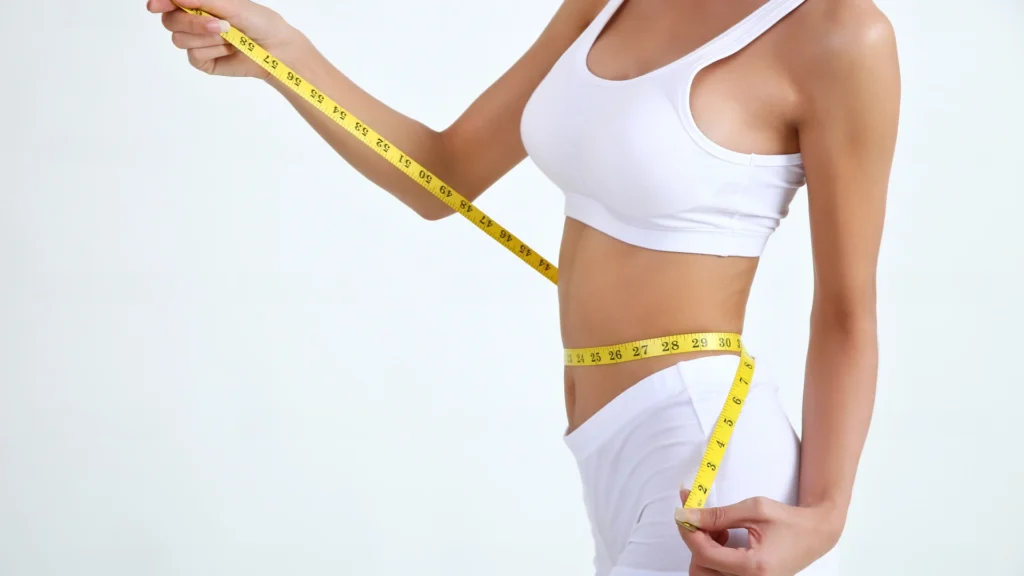
Healthy habits are the foundation of fat loss. However, they cannot control where fat disappears first. Some areas continue to hold onto fat despite regular exercise and a balanced diet.
In these cases, the following non-surgical body contouring treatments may help improve localized fat loss.
- Injectable lipolysis breaks down small pockets of stubborn fat, especially under the chin.
- Cryolipolysis freezes fat cells, which are then gradually removed by the body.
- Laser lipolysis uses heat to damage fat cells while also stimulating collagen production.
- Radiofrequency body contouring heats fat tissue and may improve skin firmness at the same time.
- Ultrasound fat reduction uses focused ultrasound energy to target stubborn fat without surgery.
These treatments are designed for body contouring, not weight loss. They work best for people who are close to their goal weight and want to improve areas that have not responded to healthy lifestyle changes.
Support Lipolysis with Expert Guidance
Lipolysis is a natural process that helps your body use stored fat for energy. While healthy eating, regular exercise, quality sleep, and stress management all support it, some fat deposits can remain resistant to change.
Understanding how lipolysis works can help you set realistic expectations and make informed decisions about your health.

If stubborn fat is keeping you from your goals, professional treatments may offer the extra support you need.
The Beauty Lounge Toronto offers personalized consultations and advanced non-surgical body contouring treatments to help target areas that don’t respond to diet and exercise alone.
Book a consultation to learn which option is right for you.
FAQs
Lipolysis starts whenever your body needs extra energy, but noticeable fat loss takes longer. With consistent exercise, healthy eating, and a calorie deficit, most people begin seeing changes over several weeks. The exact timeline depends on your metabolism, body composition, and lifestyle.
Water does not directly increase lipolysis, but it supports the body’s normal metabolic functions. Staying hydrated can improve exercise performance, help regulate appetite, and support overall health. These benefits may make it easier to maintain habits that encourage natural fat breakdown.
Yes. As you age, changes in hormones, muscle mass, and metabolism can make fat breakdown less efficient. Fat also tends to collect in different areas over time. Regular exercise, strength training, and balanced nutrition can help support healthy lipolysis at any age.
Several hormones regulate lipolysis. Adrenaline and glucagon encourage the breakdown of stored fat when your body needs energy. Insulin has the opposite effect and reduces fat breakdown after meals. These hormones work together to balance energy storage and energy use.
Fat cells do not melt naturally. Instead, your body gradually breaks down stored fat through lipolysis when it needs energy. Regular exercise, a balanced diet, quality sleep, and a calorie deficit support this process. They reduce the fat stored inside fat cells rather than removing the cells themselves.