
Diabetes Lipolysis: Why Fat Breakdown Increases in Diabetes

Imagine a starving person inside a completely stocked grocery store.
Food is everywhere. But they cannot use it.
A similar situation can happen with diabetes. Glucose builds up in the blood. But cells may not get enough usable energy when insulin is too low or does not work well.
This is where the connection between diabetes and lipolysis becomes important.
The body may start relying more on stored fat for fuel. Lipolysis breaks down stored triglycerides. It releases fatty acids that can provide energy.
But why does lipolysis increase in diabetes?
And how does insulin control this process?
Usually, insulin helps control fat breakdown. When insulin is too low or does not work well, lipolysis can increase.
More fatty acids may then enter the bloodstream. With severe insulin deficiency, fatty acids can reach the liver. This can increase ketone production.
Let’s explore how this process happens and why it matters.
What Is Lipolysis?
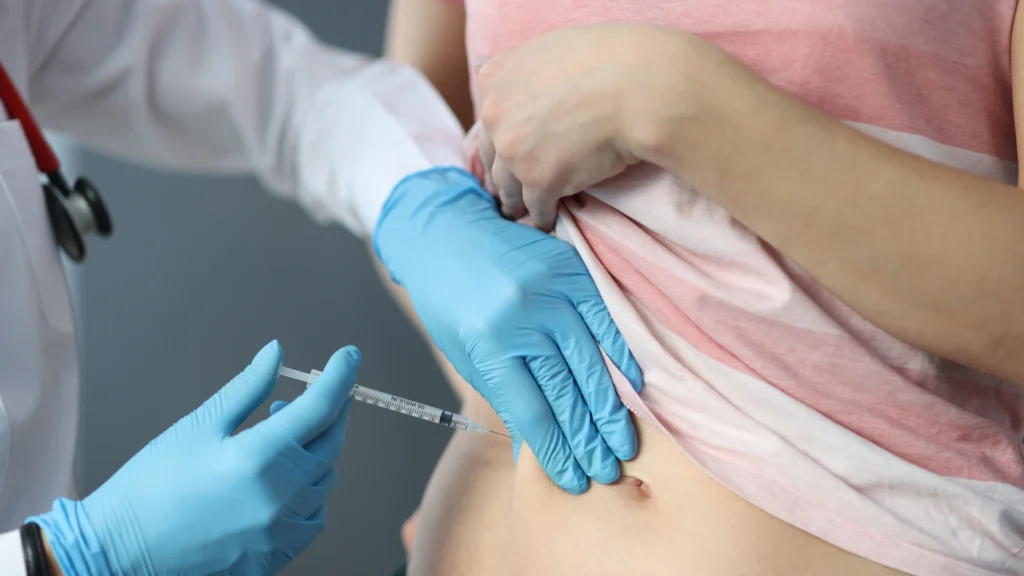
Lipolysis is the biochemical process that breaks down triglycerides stored in fat cells.
Triglycerides contain fatty acids and glycerol. During lipolysis, enzymes separate these parts and split them apart.
Lipolysis happens naturally in the body. Its rate can change based on hormones and the body’s energy needs. A lipolysis treatment may also target fat cells to support fat reduction.
Lipolysis describes the breakdown of stored triglycerides. The body then processes the released fatty acids and glycerol in different ways.
What is Diabetes?
Diabetes is a long-term condition that affects how your body controls blood glucose. Glucose gives your cells energy.
Your body needs insulin to move glucose from your blood into your cells. The pancreas makes insulin.
In type 1 diabetes, the body makes little or no insulin. In type 2 diabetes, the body does not use insulin well. The body may also make less insulin over time.
These changes can affect how your body handles glucose and stored fat. Proper treatment and regular checkups can help control blood glucose.
Understanding Lipolysis and Fat Loss in Diabetes

Lipolysis does not always lead to a decrease in body fat.
The body can break down stored fat without losing it for good. The released fatty acids may provide energy or return to storage later.
Long-term fat loss depends on the body’s energy balance. Body fat decreases when the body spends more energy than it stores over time.
In lipolysis and diabetes, changes in insulin action can increase fat breakdown. However, this is not the same as healthy or intentional fat loss.
Why Does Lipolysis Occur in Diabetes?

Lipolysis can increase diabetes. This can happen when insulin cannot control fat breakdown well.
Normally, insulin tells fat cells to slow triglyceride breakdown. When insulin levels fall or insulin does not work well, fat cells lose this control.
Lipolysis enzymes can then become more active.
As a result, fat cells break down stored triglycerides into fatty acids and glycerol.
This explains the link between lipolysis and diabetes. When insulin cannot control fat breakdown well, lipolysis can increase in diabetes.
What Is the Relationship Between Lipolysis and Insulin in Diabetes?
Insulin helps regulate when the body stores energy and when it releases stored fat.
The relationship between insulin and lipolysis changes throughout the day.
Normal insulin and lipolysis patterns:
| Body state | Insulin levels | Lipolysis |
| After eating | Higher | Suppressed |
| Between meals | Lower | Increases over time |
| During fasting | Low | Increases to provide energy |
After eating, insulin levels rise. This signals fat cells to reduce triglyceride breakdown.
Between meals, insulin levels fall. Lipolysis then increases over time, releasing fatty acids for energy.
During fasting, insulin levels stay low. Lipolysis increases to provide more energy.
In lipolysis and diabetes, severe insulin deficiency can cause more fat breakdown.
How Does Impaired Insulin Action Affect Fat Mobilization?

Fat mobilization is the release of fatty acids from fat stores into the bloodstream.
Once released, fatty acids can travel to tissues that need energy. Many fatty acids travel through the blood attached to a protein called albumin.
Lipolysis and fat mobilization involve different steps. Lipolysis breaks down triglycerides inside fat cells. Fat mobilization moves the released fatty acids into the bloodstream.
In diabetes, changes in insulin action can affect fatty acid levels in the blood.
What Happens to Lipolysis in Adipose Tissue During Diabetes?

Adipose tissue is the body’s main storage site for triglycerides. During diabetes, changes in insulin can affect how fat cells store and release fat.
When insulin is too low, fat cells may release more fatty acids from stored fat.
This can raise fatty acid levels in the blood and provide more fuel for the body. The amount of change depends on the type of diabetes and how well insulin works.
Severe insulin loss can cause much more fat release than mild insulin resistance. These changes can affect lipolysis in adipose tissue.
Lipolysis in Type 1 Diabetes vs. Type 2 Diabetes

Type 1 and type 2 diabetes have different causes. This can lead to different changes in the body.
| Feature | Type 1 diabetes | Type 2 diabetes |
| Underlying condition | Autoimmune destruction of insulin-producing beta cells | Insulin resistance with lower insulin production over time. |
| Insulin pattern | The body makes little or no insulin. | The body makes insulin, but it does not work well. |
| Main metabolic problem | Severe insulin deficiency | Reduced insulin sensitivity |
| Typical progression | Metabolic changes can happen fast without proper treatment. | Metabolic changes can take time to develop. |
Both types of diabetes affect blood sugar and energy use. But the main cause is different in each type.
DKA is more common in type 1 diabetes. But it can also happen in type 2 diabetes during severe illness or low insulin levels.
Why Does Increased Lipolysis Lead to Diabetic Ketoacidosis (DKA)?
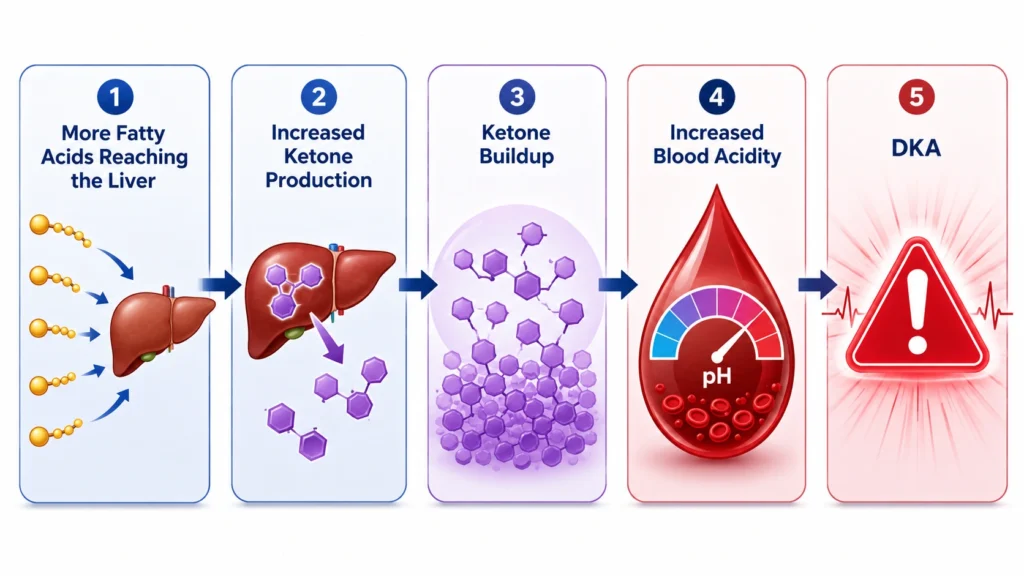
With severe insulin deficiency, increased lipolysis releases more fatty acids into the bloodstream.
The liver can convert these fatty acids into ketone bodies. Ketones can provide an alternative fuel when the body cannot use enough glucose.
When ketone production becomes too high, ketones and ketoacids can build up in the blood. This can increase blood acidity and lead to diabetic ketoacidosis (DKA).
The process works like this:
More fatty acids reaching the liver → increased ketone production → ketone buildup → increased blood acidity → DKA
DKA is a serious medical emergency. It requires immediate medical treatment.
Can Increased Lipolysis in Diabetes Be Controlled?

Yes.
Managing diabetes can help improve abnormal fat breakdown.
The right approach depends on your diabetes type, blood sugar, and insulin needs.
Treating the underlying diabetes can help control abnormal lipolysis. Treatment may also improve insulin levels or insulin action when needed.
Your healthcare provider may recommend:
- Diabetes medication: Medicines can help control blood sugar and improve insulin action.
- Insulin therapy: Some people need insulin when their body does not make enough.
- Healthy eating: A balanced diet can help manage blood sugar and support good health.
- Regular activity: Physical activity helps muscles use glucose and may improve insulin sensitivity.
- Weight management: Gradual weight loss may improve insulin sensitivity.
- Regular monitoring: Regular checkups help track blood sugar and adjust treatment when needed.
If you have diabetes, do not stop or change your medicine on your own. Work with your healthcare team to manage your diabetes. Ask your doctor if lipolysis treatment is safe and right for you.
Ready to Explore Professional Lipolysis Treatments With Expert Care
Aesthetic lipolysis treatments target small areas of fat. They are for cosmetic purposes only. These treatments differ from metabolic fat breakdown. Diabetes can also affect how the body breaks down fat.
If you have diabetes, seek medical advice. Talk with your healthcare provider about concerns. Discuss blood sugar, insulin, or fat metabolism. Never stop diabetes treatment without medical guidance. Your doctor can help you manage your condition with care.

If considering aesthetic lipolysis, visit The Beauty Lounge Toronto. Their team can provide personalized treatment guidance. During your consultation, discuss your specific concerns. Explore available options that may suit you.
Book a consultation to discuss your aesthetic needs. Explore treatment options designed around your individual needs.
FAQs
Some diabetes medicines may help reduce increased lipolysis. They can improve insulin action and blood sugar control. The effect depends on your diabetes type and treatment plan. Your healthcare provider can assess your condition and recommend the right approach. Never change or stop your diabetes medicine without medical advice.
No. The effect can vary by diabetes type. It also depends on insulin levels and insulin resistance. Blood sugar control also matters. Severe insulin deficiency may cause much more fat breakdown. Mild or moderate insulin changes may cause less fat breakdown.
Lipolysis may improve when diabetes is well controlled. Better blood sugar control and improved insulin action can help regulate fat metabolism. However, the response differs for each person. It can depend on your type of diabetes, treatment plan, blood sugar control, and general health.
No. Lipolysis is a normal process that provides the body with energy when needed. The concern is when fat breakdown becomes excessive, particularly during severe insulin deficiency. In these cases, more fatty acids can enter the bloodstream. This may increase ketone production and DKA risk.