
Ketogenesis vs. Lipolysis vs. Ketosis: What are the Differences?
Think about opening your refrigerator only to realize there’s no food left.
You don’t stop eating altogether.
Instead, you look in the freezer or pantry for something else to use.
Your body takes a similar approach when its preferred source of energy begins to run low.
Rather than running out of fuel, it taps into stored reserves through several biological processes that work together behind the scenes.
This is where terms like lipolysis, ketogenesis, and ketosis often cause confusion.
Although they’re closely connected, they don’t mean the same thing.
Understanding the difference can help you make better sense of how your body burns fat and produces energy during fasting or a low-carbohydrate diet.
Understanding Ketogenesis, Lipolysis and Ketosis
When your body has plenty of carbohydrates available, it primarily uses glucose for energy. But when that supply starts to decrease, such as during fasting, prolonged exercise, or a low-carbohydrate diet, it begins switching to alternative fuel sources.
This transition involves three closely connected processes: lipolysis, ketogenesis, and ketosis.
Although these terms are often used interchangeably, they describe different stages of how your body adapts to changing energy needs. Lipolysis releases stored fat, ketogenesis converts part of that fat into ketones, and ketosis is the metabolic state in which ketones become a major source of fuel.
What Is Lipolysis?
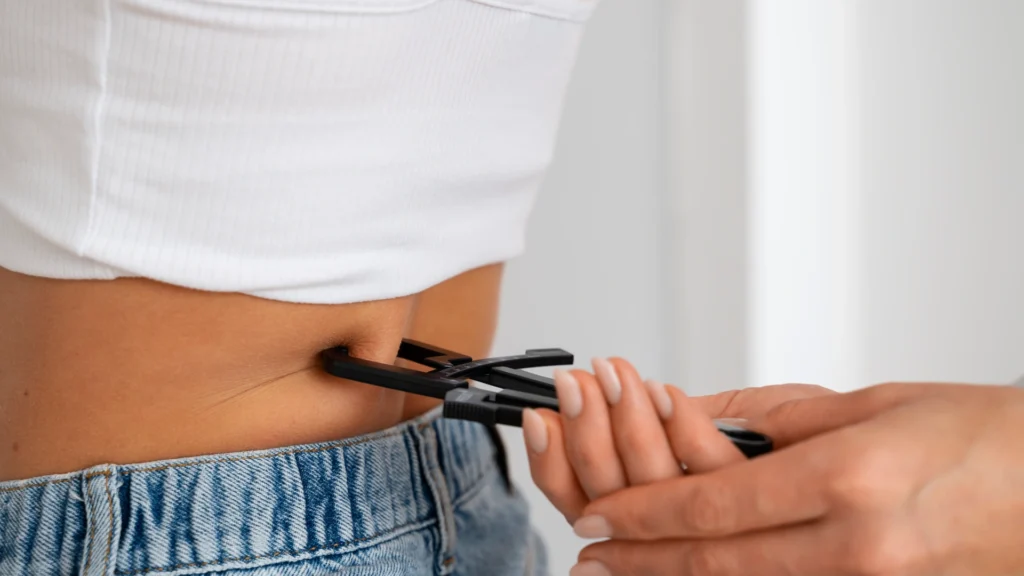
Lipolysis is the process of breaking down stored triglycerides (body fat) into free fatty acids and glycerol so they can be used for energy. This process primarily takes place in fat cells when the body needs additional fuel.
Hormones such as glucagon, adrenaline, and growth hormone stimulate lipolysis, while insulin slows it down. Once released, fatty acids travel through the bloodstream to tissues that can use them for energy, while glycerol is transported to the liver, where it may help produce glucose.
Lipolysis is often the first step in the body’s transition from using carbohydrates to relying more heavily on stored fat.
What Is Ketogenesis?
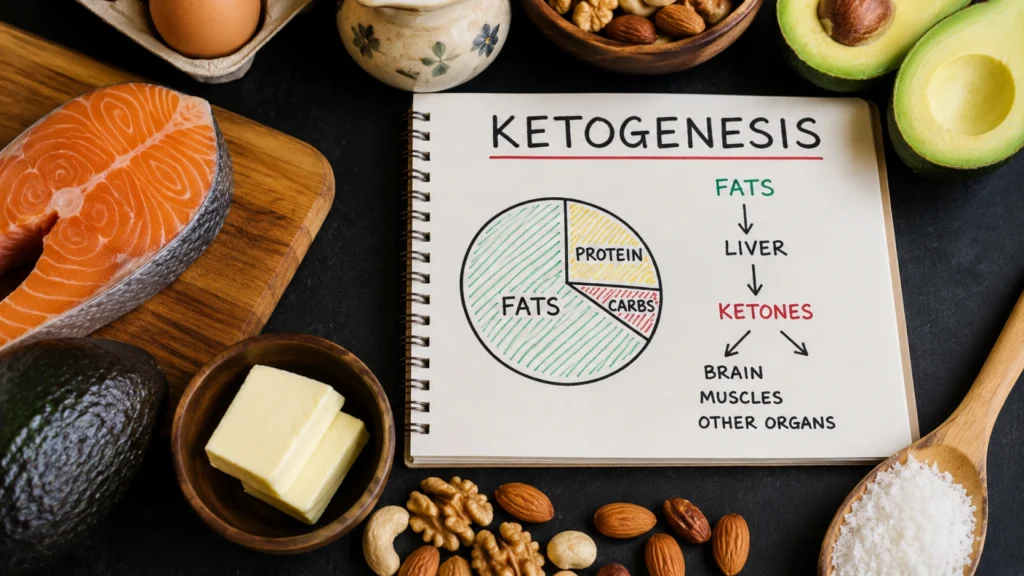
Ketogenesis is the process by which the liver converts some of the fatty acids released during lipolysis into ketone bodies. These ketones serve as an alternative energy source when glucose availability is low.
Ketogenesis becomes more active during prolonged fasting, carbohydrate restriction, or ketogenic diets, when the body needs another fuel source to support organs, particularly the brain.
What Is Ketosis?

Ketosis is a natural metabolic state that occurs when your body doesn’t have enough carbohydrates to use for energy. Instead, it begins using ketones made from fat as its main fuel source.
This usually happens during fasting or when following a very low-carbohydrate diet, such as the ketogenic diet. It helps your body continue producing energy even when glucose is in short supply.
Ketogenesis vs Lipolysis vs Ketosis: Key Differences
Although lipolysis, ketogenesis, and ketosis are closely related, they are not the same process. Lipolysis breaks down stored fat, ketogenesis converts some of that fat into ketones, and ketosis is the metabolic state that occurs when your body begins using ketones as a major source of energy.
| Feature | Lipolysis | Ketogenesis | Ketosis |
| What it is | Breakdown of stored fat | Production of ketones from fatty acids | A metabolic state where ketones become a main fuel source |
| Where it happens | Fat cells | Liver | Throughout the body |
| Main purpose | Release fatty acids for energy | Produce ketones when glucose is low | Supply energy using ketones |
| When it starts | During fasting, exercise, or low carbohydrate intake | After lipolysis when the liver receives fatty acids | When ketone levels become high enough to fuel the body |
| Main result | Fatty acids and glycerol | Ketone bodies | Increased use of ketones for energy |
While these processes often occur together, they describe different stages of how your body adapts when carbohydrates become limited. Understanding the difference makes it easier to see how your body shifts from using glucose to relying on stored fat for fuel.
Which Happens First: Ketogenesis, Lipolysis, or Ketosis?
When your body starts running low on carbohydrates, it follows a natural sequence to keep producing energy.
First, lipolysis breaks down stored fat into fatty acids. Next, your liver uses some of those fatty acids during ketogenesis to produce ketones. As more ketones are made, your body enters ketosis, where it begins relying on them for energy instead of mostly glucose.
This change doesn’t happen immediately. Most people reach ketosis within 2 to 4 days of following a very low-carbohydrate diet or fasting, although the timeline varies based on your diet, activity level, and metabolism.
How Ketogenesis, Lipolysis and Ketosis Work Together

These three processes don’t compete with one another. Instead, they work as a team to help your body produce energy when carbohydrates are limited.
It starts with lipolysis, which breaks down stored fat into fatty acids. Some of those fatty acids are then converted into ketones through ketogenesis. As ketone production increases, your body enters ketosis and begins using ketones as an important source of fuel.
Together, these processes help your body keep producing energy even when glucose isn’t readily available.
What Triggers These Processes?
Your body begins relying on lipolysis, ketogenesis, and ketosis when it needs an alternative source of energy. This usually happens when glucose becomes less available.
Common triggers include:
- Fasting
- A ketogenic or very low-carbohydrate diet
- Long periods of exercise
- Lower insulin levels
Not everyone responds the same way. Factors such as diet, activity level, and metabolism can influence how quickly these processes begin.
Can You Lose Fat Without Being in Ketosis?
Yes. Your body can burn stored fat without being in ketosis.
Lipolysis happens whenever your body needs extra energy, including during regular exercise, between meals, or when you eat fewer calories than you burn. While ketosis can increase your reliance on fat for fuel, it isn’t required for fat loss.
In other words, fat loss depends on using more energy than you consume over time, not on being in ketosis. This is why people can lose body fat with many different eating patterns, not just a ketogenic diet.
How Does Cosmetic Lipolysis Differ from Metabolic Lipolysis?

Although they share the same name, cosmetic lipolysis and metabolic lipolysis are very different.
Metabolic lipolysis is a natural process that happens inside your body. It breaks down stored fat to provide energy during fasting, exercise, or when carbohydrate intake is low.
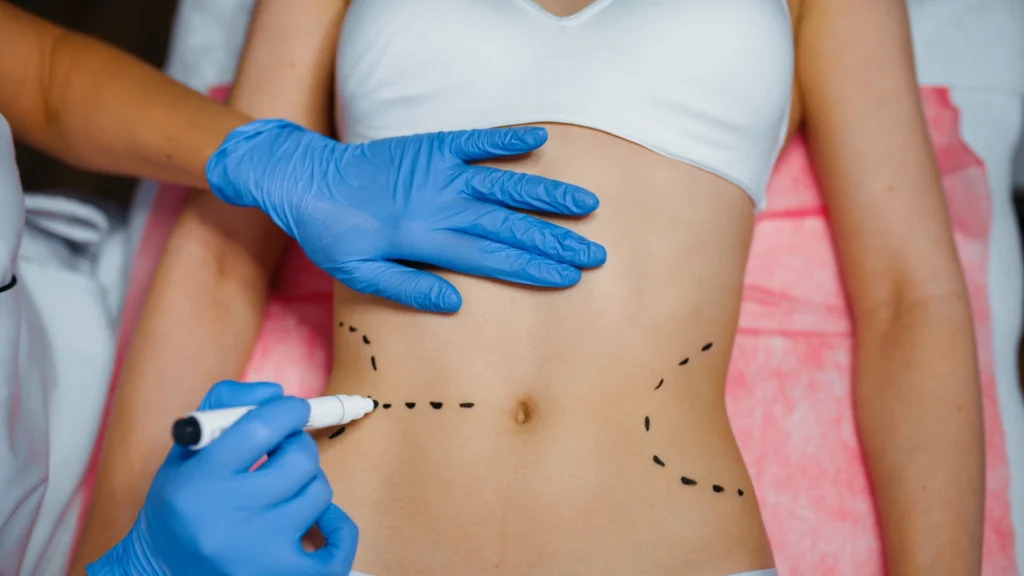
Cosmetic lipolysis is a non-surgical treatment that targets stubborn pockets of fat in specific areas of the body. Instead of supplying energy, it works by breaking down fat cells so they can be gradually removed through your body’s natural processes.
Unlike metabolic lipolysis, cosmetic lipolysis does not cause ketosis or replace healthy eating and exercise. Its purpose is to improve body contours by reducing localized fat that may not respond to diet and physical activity alone.
If you’re looking to refine areas such as the chin, abdomen, or thighs, cosmetic lipolysis can complement a healthy lifestyle, but it isn’t a treatment for overall weight loss.
Beyond Natural Fat Burning: Explore Professional Fat Reduction
Lipolysis, ketogenesis, and ketosis all play important roles in how your body produces energy, but they aren’t the same process. Knowing how they work together can help you better understand topics like fat loss, fasting, and ketogenic diets while clearing up many common misconceptions.
While these natural processes help your body use stored fat for energy, they don’t always reduce stubborn fat in specific areas. That’s why many people combine a healthy lifestyle with professional body contouring treatments to achieve more targeted results.

If diet and exercise haven’t helped you achieve the shape you’re looking for, professional fat reduction treatments may be the next step. At The Beauty Lounge Toronto, we offer personalized body contouring treatments designed to target stubborn pockets of fat and enhance your natural shape without surgery.
Book a consultation with our experienced team to learn which treatment is right for your goals. We’ll create a customized plan to help you achieve smoother, more sculpted results with confidence.
FAQs
Exercise can increase fat burning and may support ketone production, but it doesn’t always trigger ketogenesis on its own. Ketogenesis usually becomes more active when carbohydrate stores are low, such as during fasting, prolonged exercise, or a ketogenic diet.
Carbohydrates increase insulin levels, which can reduce the rate of lipolysis. However, they don’t stop it completely. Your body continues to break down and store fat throughout the day based on your energy needs, diet, and activity level.
No. Cosmetic lipolysis treatments reduce fat in targeted areas but do not affect how your body produces energy. Since they don’t increase ketone production, they won’t cause ketosis or create the same metabolic changes as fasting or a ketogenic diet.
Yes. Lipolysis continues while you sleep because your body still needs energy to support essential functions like breathing, circulation, and cell repair. Hormones released overnight also help regulate fat breakdown, especially during longer periods without food.
The most accurate way to confirm ketosis is by measuring ketone levels with a blood, urine, or breath test. Some people also notice signs like reduced appetite or changes in breath odor, but these symptoms alone aren’t enough to confirm ketosis.