
Insulin and Lipolysis: How Insulin Regulates Fat Breakdown
Every time you eat, insulin tells your fat cells to keep their stored energy where it is. Fat stays in storage while your body uses the fuel from your meal instead.
You can think of your fat cells as a vault.
When insulin rises, the vault stays closed.
As insulin levels fall between meals or during fasting, it opens, allowing stored fat to be released and used for energy.
In 1921, a team in Toronto isolated insulin and used it to treat a boy with diabetes. Although insulin is best known for regulating blood sugar, it also plays a key role in controlling fat breakdown.
Inside your fat cells are enzymes that break stored fat into fatty acids. Insulin slows this process. When insulin levels fall, fat breakdown increases, and fatty acids are released into the bloodstream to be used for energy.
Insulin and lipolysis work together to determine when your body stores fat and when it breaks it down for energy.
What is Insulin?
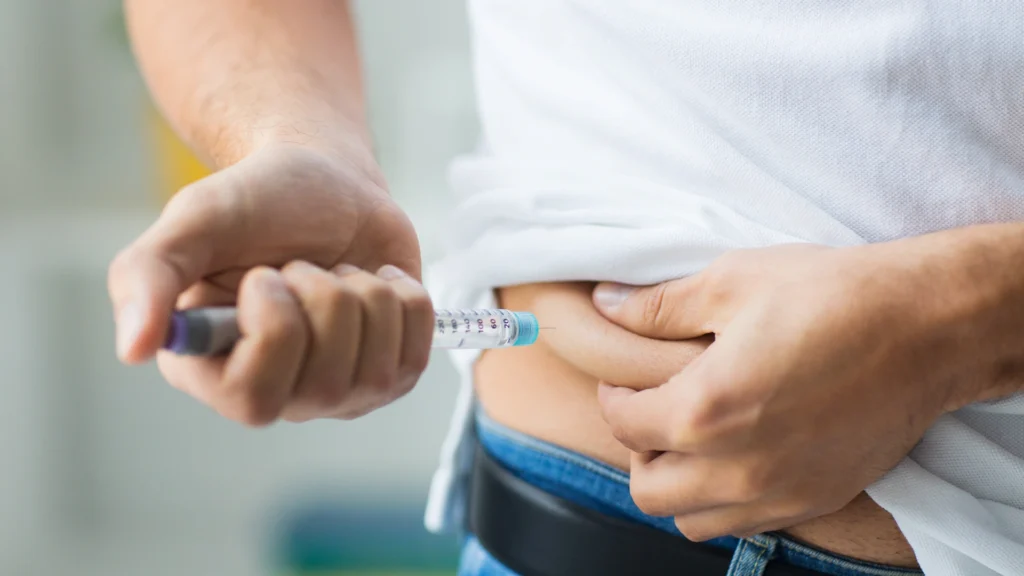
Insulin is a hormone made by your pancreas. Its main job is managing energy, especially after you eat.
When you eat, sugar enters your blood. Your pancreas releases insulin to move that sugar out of the blood and into your cells, where it gets used for fuel or stored for later.
But insulin does more than handle sugar. It also decides when your body stores fat and when it holds fat back. Every time insulin rises, it sends a signal to your fat cells: hold what you’ve got.
That second job, the fat side of insulin’s work, is where this story really starts.
What is Lipolysis?
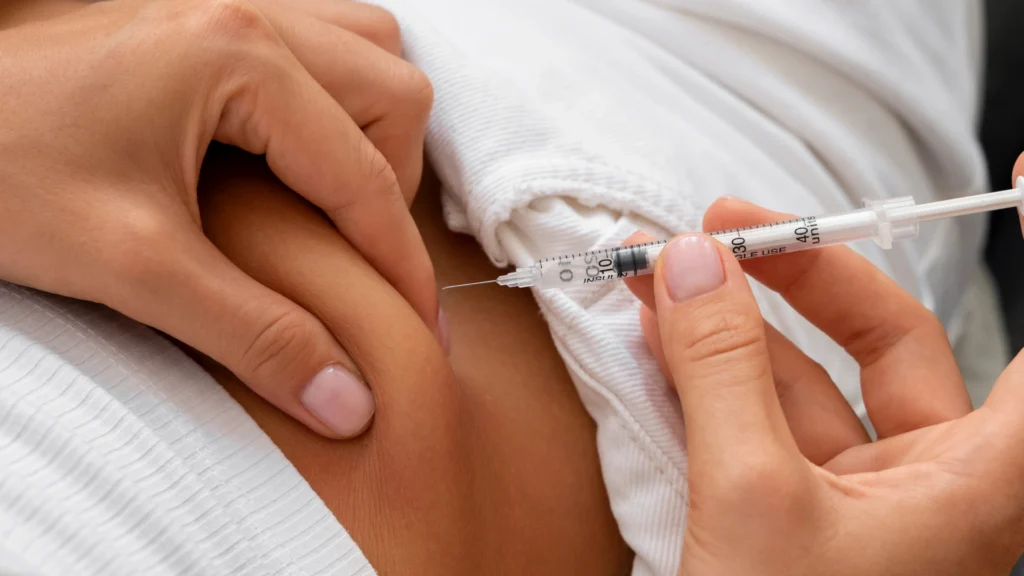
Lipolysis is the breakdown of stored fat. Your fat cells hold energy as triglycerides, and lipolysis breaks those triglycerides apart into fatty acids and glycerol.
Once broken down, those pieces move into your blood. Muscles and other tissues pick them up and burn them for fuel.
This process speeds up whenever your body needs energy and food isn’t coming in. Between meals. Overnight. During a workout. Any time fuel runs low, lipolysis kicks into gear to fill the gap.
Insulin and Lipolysis: How are They Connected?
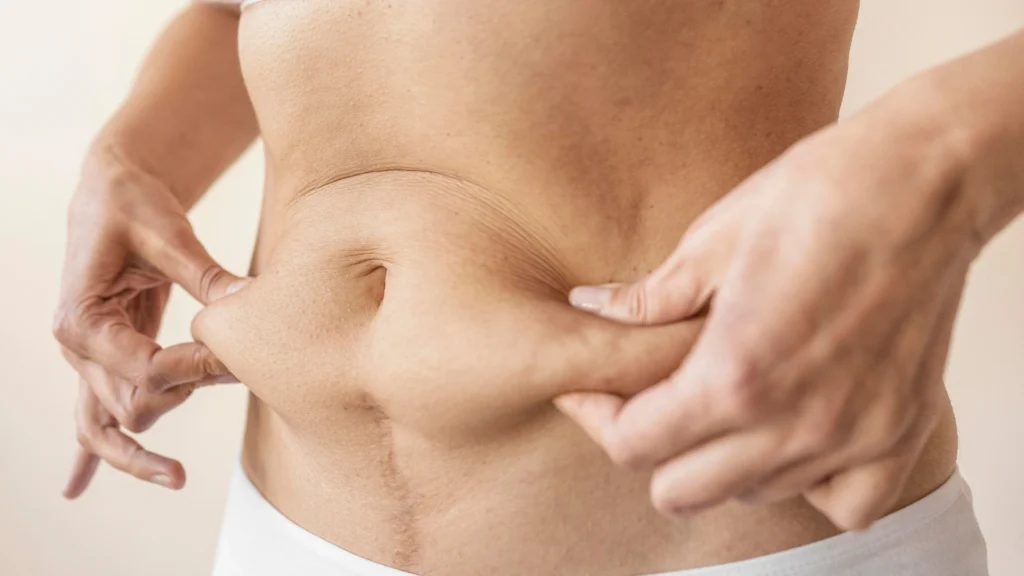
Insulin and lipolysis pull in opposite directions. When insulin goes up, lipolysis slows down. When insulin drops, lipolysis speeds up.
Think back to the vault. Insulin locks it. Take insulin away, and the vault opens on its own.
This makes sense once you think about timing. Right after a meal, your body has fresh fuel coming in from food. There’s no reason to break into fat stores too. Insulin rises and tells fat cells to hold everything in place.
Between meals, or overnight, insulin drops. The lock loosens. Stored fat becomes the fuel source again.
Does Insulin Suppress Lipolysis?
Yes. Insulin suppresses lipolysis, and it’s remarkably good at it. Even a small rise in insulin can sharply cut how much fat gets released from storage. Studies on human fat cells show insulin blocks fat release more strongly than it blocks almost anything else in the body.
This isn’t a problem to fix. It’s the system working the way it’s supposed to. Your body doesn’t want fat and sugar both flooding your blood at the same time, so insulin steps in and closes the vault while sugar is around.
Why Does Insulin Inhibit Lipolysis?
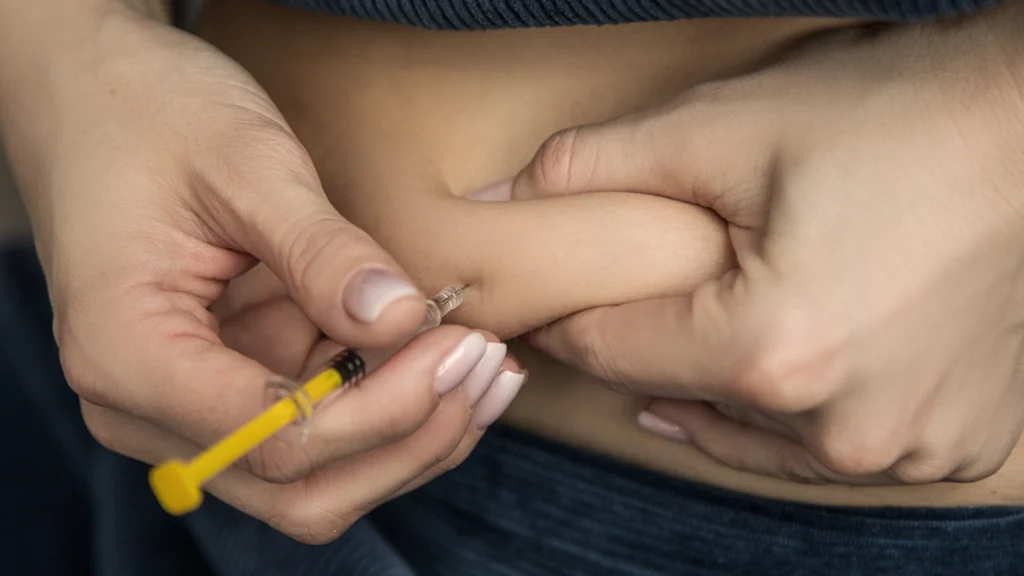
Because running two fuel systems at once wastes energy.
When you eat, glucose floods in. Insulin rises and tells fat cells to hold their reserves, so your body isn’t burning sugar and fat at the same time for no reason.
There’s a second reason too. Too many fatty acids loose in the blood can throw off insulin’s own effectiveness elsewhere in the body. Locking the vault keeps that from happening. Insulin protects its own signal by keeping fat in place until sugar’s dealt with.
How Does Insulin Inhibit Lipolysis?

Insulin works on fat cells at a molecular level, not just a general “signal.”
Inside the fat cell, an enzyme called hormone-sensitive lipase, or HSL for short, is what actually pries triglycerides apart. Insulin’s whole job is shutting HSL down.
It does this a couple of ways. First, insulin switches on a second enzyme that clears out a molecule called cAMP. Since cAMP is what normally flips HSL on, clearing it out keeps HSL asleep.
Second, over a longer stretch of time, insulin cuts back production of a related fat-breaking enzyme called ATGL, so the cell makes less of the tool it would need to break fat down in the first place.
Both routes lead to the same place. Less active enzyme, less fat breakdown, vault stays shut.
Insulin and Lipolysis During Fasting

When you fast, insulin levels gradually decline because no new carbohydrates are entering your bloodstream. As insulin falls, its suppressive effect on lipolysis decreases, allowing your fat cells to release more fatty acids into the bloodstream.
Your body then shifts from relying mainly on glucose to using stored fat for energy. The released fatty acids are taken up by muscles and other tissues, where they are used as fuel. This is one of the body’s normal ways of maintaining energy between meals or during longer periods without food.
Fasting does not directly burn fat. Instead, it creates the hormonal conditions that make lipolysis more active. The longer insulin remains relatively low, the greater your body’s ability to access stored fat as an energy source, provided your overall energy needs require it.
Insulin Resistance and Lipolysis
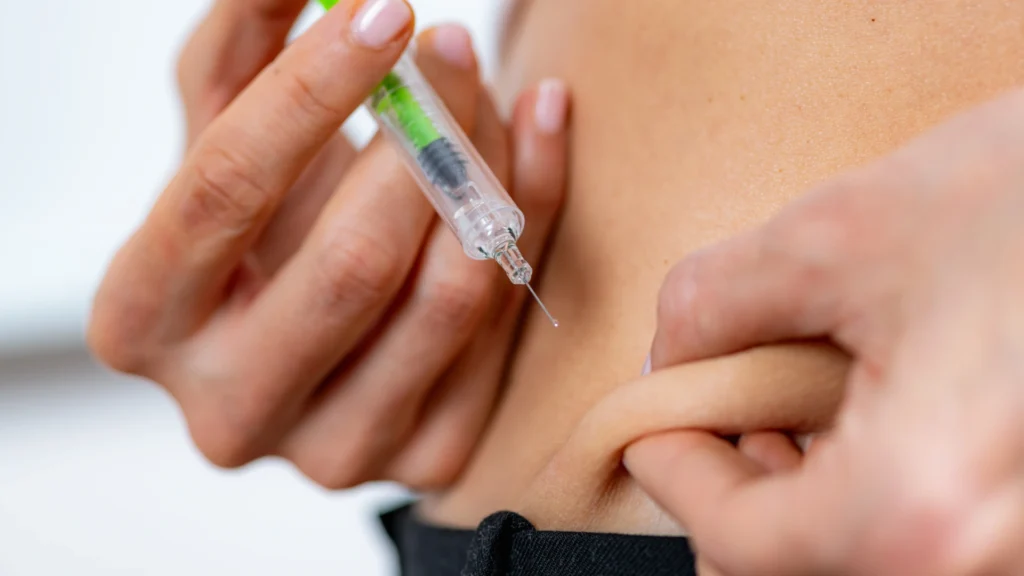
With insulin resistance, that lock stops working properly. Fat cells stop responding to insulin the way they should, so even when insulin levels are high, the vault doesn’t stay shut. Fatty acids keep leaking into the blood.
That’s the part researchers found in people with obesity and high blood pressure. Blood sugar can look completely normal while the fat side of insulin’s job is already breaking down. Fatty acid levels stay high in the blood even though insulin is trying to shut things off.
Over time, that leak has been tied to more than just weight. It shows up alongside higher blood pressure, more fat building up in the liver, and a harder time managing weight in general.
It’s often one of the earliest signs something’s off, well before blood sugar problems show up on a standard test.
Factors That Affect Insulin’s Effect on Lipolysis
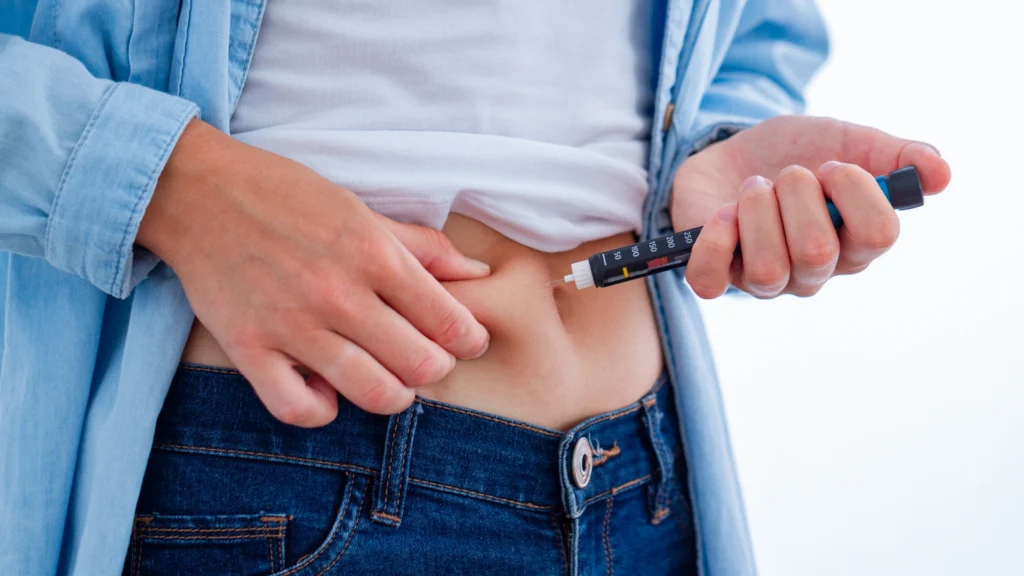
Several things shape how well insulin locks that vault. None of these flip the system on or off completely, but each one nudges it toward working better or worse.
- Diet. Meals heavy in refined carbs spike insulin harder and faster than meals balanced with protein, fiber, and fat. Bigger spikes mean a harder lock, but also a bigger crash later.
- Exercise. Regular activity keeps cells more responsive to insulin, so the whole system works closer to how it’s supposed to.
- Where fat sits on your body. Visceral fat, the kind packed around your organs, tends to ignore insulin’s signal more than fat sitting just under the skin.
- Sleep and stress. Poor sleep and ongoing stress raise cortisol, and cortisol interferes with insulin’s signal. The lock gets less reliable.
- Age. Insulin sensitivity shifts naturally as you get older, which changes how tightly the vault stays shut.
None of these factors work in isolation. Someone eating well but sleeping four hours a night is still fighting an uphill battle, and someone exercising daily can offset a lot of the damage from a rough diet. It’s the combination that decides how well insulin holds the line.
Common Myths About Insulin and Lipolysis

Insulin’s role gets misread a lot, usually because people mix up what it’s doing with what they wish it were doing. Here’s where the confusion actually comes from and why it doesn’t hold up.
Does insulin increase lipolysis?
No, and it’s not close. Insulin does the opposite. Its whole role is locking the vault, not opening it. The mix-up usually comes from confusing insulin’s storage job with a fat-burning one. They’re not the same thing, and they’re not even on the same side.
Does insulin promote fat burning?
No. Insulin promotes fat storage. Fat burning happens when insulin backs off, not when it’s active. If you’re fasting, sleeping, or between meals, that’s when the vault opens and fat actually gets used.
Is insulin always bad for weight loss?
No. Insulin isn’t the enemy here. It’s a hormone your body needs. The real issue isn’t insulin existing; it’s insulin staying high all the time with nowhere to come back down. Give it room to drop between meals, and it does its job without getting in the way of fat loss.
Take the Next Step Towards Improving Lipolysis
At this point, you know how insulin and lipolysis actually work together, and where things go wrong when insulin resistance sets in. That’s useful. But understanding the mechanism doesn’t change what’s happening in your own body.
That’s where a real conversation with someone trained to look at your specific case matters more.

At The Beauty Lounge Toronto, our team takes the time to look at what’s actually going on with your metabolism and goals, not a one-size-fits-all plan.
If you’re in Toronto or nearby, book a consultation with us and we’ll walk you through what makes sense for your body specifically.
FAQs
No. Insulin does not stop fat burning completely, but it significantly slows the breakdown of stored fat. Even when insulin levels are elevated, your body continues a small amount of lipolysis. As insulin rises after eating, fat breakdown decreases until insulin levels fall again.
Yes. Exercise stimulates hormones such as adrenaline and noradrenaline, which encourage fat breakdown even if some insulin is present. During longer or more intense activity, insulin levels also tend to decrease, allowing lipolysis to increase and providing more fatty acids for energy.
No. Non-surgical fat reduction treatments work by targeting fat cells with technologies such as cooling, heat, injections, or ultrasound. Natural lipolysis is a normal metabolic process regulated by hormones like insulin and occurs continuously as your body manages its energy needs.
No. Different fat deposits respond differently to insulin. Visceral fat around the organs and subcutaneous fat beneath the skin have different metabolic characteristics and hormone sensitivity. These differences influence how easily each type of fat is stored or broken down over time.
Yes. During fasting, insulin levels gradually decrease, allowing fat breakdown to increase. Your body begins releasing more fatty acids from stored fat to use as energy. The longer insulin remains low, the more your body relies on fat as an important fuel source.
Insulin helps regulate when your body stores fat and when it breaks it down for energy. This balance prevents excessive fat breakdown while ensuring energy is available when needed. Healthy insulin function supports normal metabolism and allows your body to respond appropriately to changing energy demands.