
Fat Oxidation vs Lipolysis: Key Differences Explained
Reducing body fat is a two-step process. First, your body releases stored fat through a process called lipolysis. Then, it uses that fat for energy through fat oxidation.
Because these steps happen one after the other, they’re often mistaken for the same thing, even though they play very different roles.
Understanding the difference helps clear up common myths and explains how your body actually uses stored fat. It also makes it easier to understand how lipolysis treatment targets stubborn fat, even though it works differently from your body’s natural fat-burning process.
Here’s a closer look at what each process does and how they work together.
What Is Lipolysis?

Lipolysis is the process of breaking down stored fat so the body can use it later as a source of energy. It takes place inside fat cells, where triglycerides are broken down into free fatty acids and glycerol. These fatty acids are then released into the bloodstream, making them available for the next stage of fat metabolism.
Lipolysis is naturally stimulated during periods of increased energy demand, such as exercise, fasting, or when you’re in a calorie deficit.
However, releasing stored fat does not mean it has already been burned.
What Is Fat Oxidation?
Fat oxidation is what happens after lipolysis. Once fatty acids are released into the bloodstream, they travel to tissues like your muscles, where they’re taken into cells and converted into energy. This process takes place inside tiny structures called mitochondria, often referred to as the cell’s “powerhouses.”
This is the stage where fat is actually “burned” to fuel everyday activities and exercise.
Without fat oxidation, the fat released during lipolysis wouldn’t be used efficiently, which is why both processes are essential for normal fat metabolism.
Lipolysis vs Fat Oxidation: Key Differences
Although lipolysis and fat oxidation are closely connected, they perform different jobs in the body’s fat metabolism. The easiest way to understand the difference is to compare what each process does.
| Lipolysis | Fat Oxidation |
| Breaks down stored fat in fat cells | Uses released fat to produce energy |
| Happens first | Happens after lipolysis |
| Releases fatty acids into the bloodstream | Converts fatty acids into usable energy |
| Takes place mainly in fat cells | Takes place mainly inside muscle and mitochondria |
| Makes stored fat available | Burns fat for fuel |
Although lipolysis and fat oxidation have different roles, neither process works effectively on its own. The body relies on both to access stored fat and turn it into usable energy.
How Do Lipolysis and Fat Oxidation Work Together

Lipolysis and fat oxidation are two parts of the same process. Once lipolysis releases stored fat from fat cells, those fatty acids travel through the bloodstream to tissues that need energy, such as your muscles. There, fat oxidation converts them into usable energy to support everyday activities and physical exercise.
A simple way to think about it is that lipolysis makes stored fat available, while fat oxidation puts it to use. Without lipolysis, there wouldn’t be enough fatty acids to fuel the body. Without fat oxidation, those released fatty acids wouldn’t be used efficiently.
The process looks like this:
Stored Fat → Lipolysis → Free Fatty Acids → Fat Oxidation → Energy
Can Lipolysis Happen Without Fat Oxidation?

Yes, lipolysis can happen on its own. When your body needs quick access to stored energy, such as during fasting, exercise, stress, or between meals, it can begin breaking down stored fat and releasing fatty acids into the bloodstream. However, those fatty acids are only burned if your body actually needs them for energy.
If your energy demand is low, the released fatty acids may not be used immediately. Instead, the body can convert them back into triglycerides and store them in fat cells through a natural process called re-esterification.
This is why lipolysis alone doesn’t guarantee fat loss. Breaking down stored fat is only the first step. To reduce body fat, the released fatty acids must also be oxidized and used as fuel.
Which Is More Important for Fat Loss: Lipolysis or Fat Oxidation?
Neither process is more important than the other because they depend on each other. If either step is missing, the body can’t effectively use its fat stores.
Think of it like withdrawing money from a bank account. Lipolysis is taking the money out, while fat oxidation is spending it. Simply withdrawing money doesn’t accomplish much unless you actually use it. The same is true for stored fat. Releasing it doesn’t automatically reduce body fat unless it’s used for energy.
For long-term fat loss, the goal is to support both processes through healthy lifestyle habits that encourage your body to release and use stored fat efficiently.
How to Maximize Both Naturally
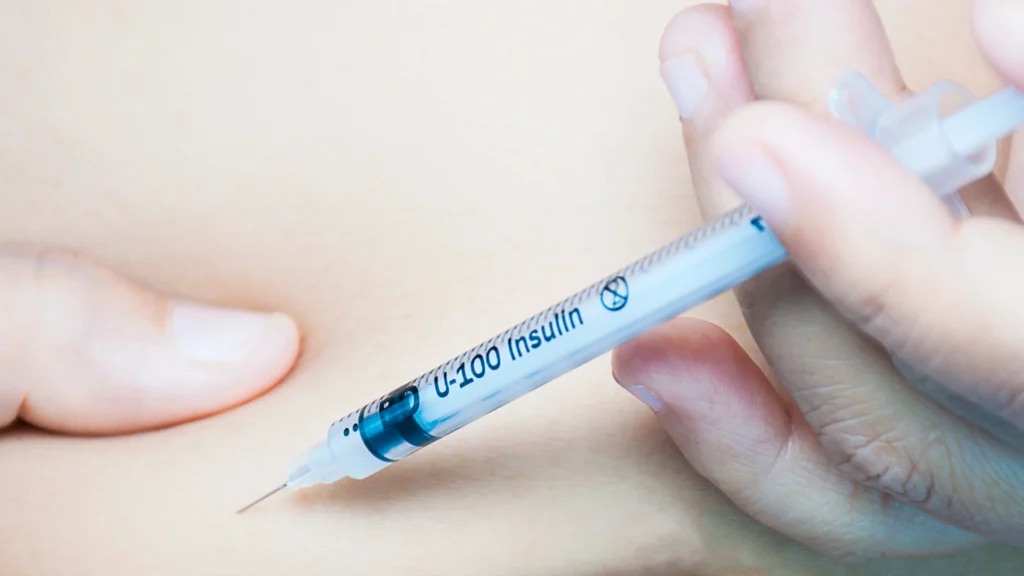
While there’s no shortcut to increasing lipolysis or fat oxidation, certain habits can help your body perform both processes more effectively.
- Stay physically active. Regular exercise increases your body’s demand for energy, encouraging it to release and use stored fat.
- Maintain a calorie deficit. Consuming slightly fewer calories than you burn helps your body rely more on stored fat over time.
- Include enough protein. Protein supports muscle maintenance, which helps keep your metabolism active during weight loss.
- Prioritize quality sleep. Poor sleep can disrupt hormones involved in appetite regulation and fat metabolism.
- Be consistent. Sustainable eating habits and regular movement have a much greater impact than quick-fix diets or fat-burning supplements.
Although these habits support your body’s natural fat metabolism, they don’t target stubborn fat in specific areas. That’s why some people also consider professional body contouring treatments for localized fat that doesn’t respond to diet and exercise.
Does Cosmetic Lipolysis Affect Fat Oxidation?
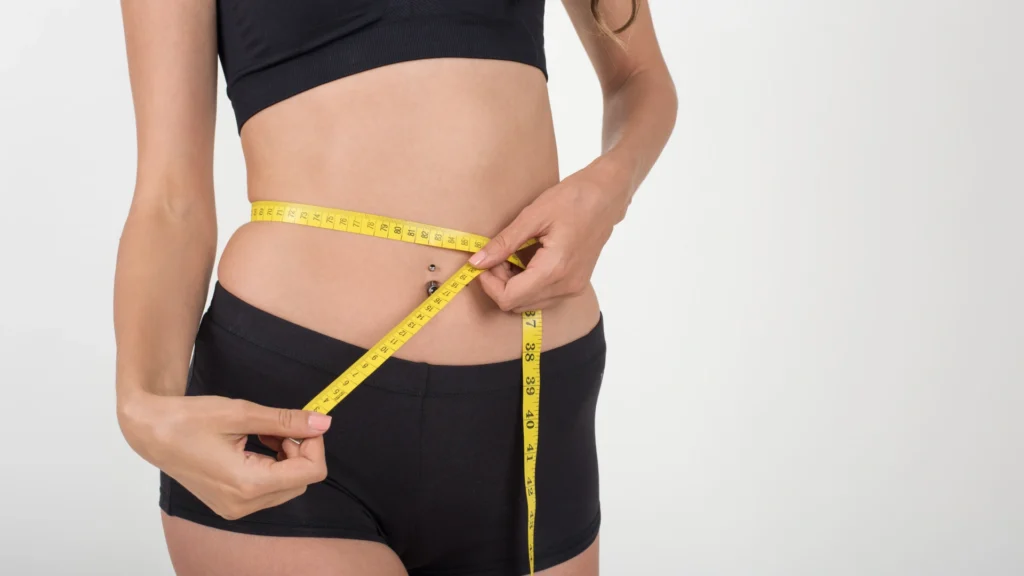
Cosmetic lipolysis treatments are designed to reduce localized fat deposits rather than increase the body’s natural fat oxidation. They work by targeting fat cells in specific areas, such as the chin, abdomen, or flanks, allowing the body to gradually remove the treated fat over time.
Natural fat oxidation, on the other hand, is a metabolic process that takes place throughout the body whenever energy is needed. It is influenced by factors such as physical activity, diet, and overall energy balance, not by cosmetic fat reduction procedures.
This means cosmetic lipolysis and natural fat oxidation have different purposes. One helps improve body contours by reducing stubborn pockets of fat, while the other helps your body produce energy from stored fat. For the best long-term results, cosmetic treatments should be viewed as a complement to healthy lifestyle habits rather than a replacement for them.
Common Myths About Lipolysis and Fat Oxidation

Because lipolysis and fat oxidation are often misunderstood, it’s easy to come across misleading advice about how the body loses fat. Here are some of the most common myths and what actually happens.
Myth: Lipolysis Guarantees Fat Loss
Fact: Lipolysis only releases stored fat from fat cells. For body fat to decrease, those released fatty acids must also be used for energy. If they aren’t needed, the body can store them again instead of burning them.
Myth: Sweating Means You’re Burning More Fat
Fact: Sweating is your body’s way of cooling itself, not a sign that you’re burning more fat. You can sweat heavily because of hot weather, a sauna, or intense exercise without significantly increasing fat oxidation. While exercise can support fat burning, sweat itself isn’t an indicator of how much fat you’re losing.
Myth: Cosmetic Lipolysis Speeds Up Your Metabolism
Fact: Cosmetic lipolysis treatments are designed to reduce localized fat deposits, not increase your metabolic rate. They help improve body contours by targeting stubborn fat in specific areas, but they don’t make your body burn calories faster or replace healthy eating and regular exercise.
Looking for Safe Fat Reduction Options?
Lipolysis and fat oxidation are closely connected, but they aren’t the same process. Lipolysis releases stored fat from fat cells, while fat oxidation uses that fat to produce energy. Both play an important role in how the body naturally manages its fat stores, which is why understanding the difference can help clear up many common misconceptions about fat loss.
While healthy habits such as regular exercise, balanced nutrition, and adequate sleep support these natural processes, they don’t always reduce stubborn fat in specific areas. Some fat deposits can remain despite consistent lifestyle changes, leading many people to explore professional body contouring treatments.

If you’re looking to reduce localized fat safely and effectively, The Beauty Lounge Toronto offers professional lipolysis treatments tailored to your individual goals. Every treatment begins with a consultation to assess your concerns, discuss your expectations, and determine whether lipolysis is the right option for you.
Our experienced team uses advanced techniques to help improve body contours while prioritizing your comfort and safety throughout the process.
Book a consultation today to learn more about your treatment options and take the next step toward achieving a more sculpted appearance.
FAQs
Yes. Your body burns fat throughout the day to support essential functions such as breathing, circulation, and maintaining body temperature. While exercise can increase fat oxidation, your body continues to use fat for energy even when you’re resting or sleeping.
Fasting can increase fat oxidation because lower insulin levels encourage the body to rely more on stored fat for energy. However, the amount of fat burned depends on factors such as the length of the fast, activity level, and overall calorie intake.
Moderate-intensity aerobic activities, such as brisk walking, cycling, or jogging, typically use a higher percentage of fat for fuel. However, both cardio and strength training can support long-term fat loss by increasing overall energy expenditure and helping preserve muscle mass.
Not necessarily. Eating dietary fat provides the body with another source of fuel, but it doesn’t automatically increase the amount of stored body fat being burned. Fat oxidation is influenced by your overall energy needs, physical activity, and calorie balance.
No single food or supplement can significantly increase fat oxidation on its own. A balanced diet, regular exercise, quality sleep, and maintaining a healthy calorie balance have a much greater impact on how efficiently your body uses fat for energy than any so-called “fat-burning” product.