
Cortisol and Lipolysis: How Cortisol Affects Fat Breakdown
Think about a fire alarm in your house. Most days, it stays quiet.
Then smoke fills the room. The alarm goes off. You move fast. You grab what matters and act.
Your body has an alarm too.
It is called cortisol.
When you feel stressed, cortisol turns on. It tells your body to find energy fast.
Sometimes that energy comes from fat. This process is called lipolysis. It is how your body breaks down fat and turns it into fuel.
So does cortisol help you burn fat? Sometimes.
A little stress can help. Too much stress, for too long, can work against you.
Let’s look at how cortisol and lipolysis work together.
What Is Cortisol?
Cortisol comes from your adrenal glands, two small glands that sit on top of your kidneys. Most people call it the stress hormone. But that name only tells half the story.
Cortisol does much more than react to stress. It helps control how your body uses energy. It manages your blood sugar. It calms inflammation when needed. It even helps set your sleep schedule, rising in the morning to help you wake up and falling at night so you can rest.
Think of cortisol as a manager working behind the scenes. Most of the time, you do not notice it. It just keeps things running. But when a real problem shows up, cortisol steps in and takes charge.
Your brain controls how much cortisol you make.
Two areas, the hypothalamus and the pituitary gland, send signals to your adrenal glands and adjust cortisol output as needed.
This system works well when it stays balanced. Problems start when cortisol runs too high for too long or drops too low.
That balance matters far more than stress. It also plays a role in how your body stores and releases fat, which brings us to lipolysis.
What Is Lipolysis?

Lipolysis is the process your body uses to break down fat. It happens inside fat cells. Your body stores extra energy as fat. When you need that energy, lipolysis unlocks it.
Here is how it works.
Fat is stored as triglycerides. Enzymes called lipases break these triglycerides apart. This releases fatty acids and glycerol into your blood. Your body then uses these as fuel.
Think of fat cells like a savings account.
You do not spend it every day. But when you need extra funds, you make a withdrawal. Lipolysis is that withdrawal process.
This happens all the time, not just during a workout. Your body runs lipolysis during fasting, exercise, and periods of stress. It slows down after you eat, since your body has fresh energy to use instead.
Several hormones control this process. Some speed lipolysis up. Others slow it down. Cortisol is one of the hormones involved. Its role is more complex than most people think.
Cortisol and Lipolysis: What Is the Connection?

Cortisol and lipolysis are linked through stress.
When cortisol rises, your body prepares for action. It looks for fast energy. Fat is one of the places it turns to.
But cortisol does not break down fat on its own. It works with other hormones and signals in your body. Think of cortisol as a manager, not a worker. It gives the order. Other processes carry it out.
This connection matters because cortisol levels change all the time. A short stressful moment is not the same as weeks of constant pressure. The length and size of the cortisol response changes how your body handles fat.
How Cortisol Influences Lipolysis
Cortisol works closely with your nervous system. When stress hits, cortisol rises alongside adrenaline. Adrenaline fires off the first signal to your fat cells. Cortisol backs it up and helps that signal last longer.
Inside fat cells, cortisol can boost the activity of hormone-sensitive lipase. This is the enzyme that breaks triglycerides apart. More activity here means more fatty acids released into your blood.
Still, cortisol needs the right setup to pull this off. Blood sugar, insulin, and other hormones all shape the outcome. On its own, cortisol only tells part of the story.
Cortisol’s Effect on Lipolysis: Fat Cells and Fat Mobilization
Cortisol reaches your fat cells through receptors on their surface. Once bound, it can shift how the cell behaves, including how much fat it holds onto and how much it lets go.
During short-term stress
A quick burst of stress sends cortisol up for a short window. During this time, it can actually help break down fat. Your body wants fast fuel, so it pulls fatty acids out of storage. Adrenaline joins in too, triggering those same fat cells to let go of what they are holding.
Once the stressful moment passes, cortisol comes back down. Lipolysis settles back into its normal rhythm.
During long-term stress
Long-term stress plays out differently. Instead of minutes, cortisol stays elevated for days or even weeks. Over time, this steady pressure starts to throw off how your body handles fat.
Chronic high cortisol tends to go hand in hand with more fat storage, particularly around the belly. Part of the reason comes down to insulin and appetite. High cortisol pushes insulin up, and insulin works against lipolysis. The result is a body that stores more fat than it releases, even with cortisol running high.
Cortisol and Other Lipolytic Hormones

Cortisol never works in isolation. A handful of other hormones trigger lipolysis too, each playing its own role, often in tandem with the others.
Adrenaline
Adrenaline moves the fastest. It shows up within seconds of a stress trigger, binding to receptors on fat cells and switching on lipolysis almost instantly.
Adrenaline and cortisol tend to rise together. Adrenaline delivers the quick burst. Cortisol steps in afterward to keep the response going if the stress sticks around.
Glucagon
Glucagon comes from your pancreas. Its main job is raising blood sugar. It does this by breaking down stored sugar in your liver.
Glucagon also supports lipolysis. It signals fat cells to release fatty acids, especially when blood sugar runs low. This often happens during fasting or between meals.
Growth hormone
Growth hormone is released mainly during sleep and after exercise. It plays a role in tissue repair and growth. It also supports fat breakdown.
Growth hormone works over a longer time frame than adrenaline. It helps shift your body toward using fat for fuel, especially during rest and recovery.
Together, these hormones create a system. Cortisol plays one part. Adrenaline, glucagon, and growth hormone each add their own signal. Your body blends these signals to decide how much fat to release, and when.
Does Cortisol Cause Lipolysis?
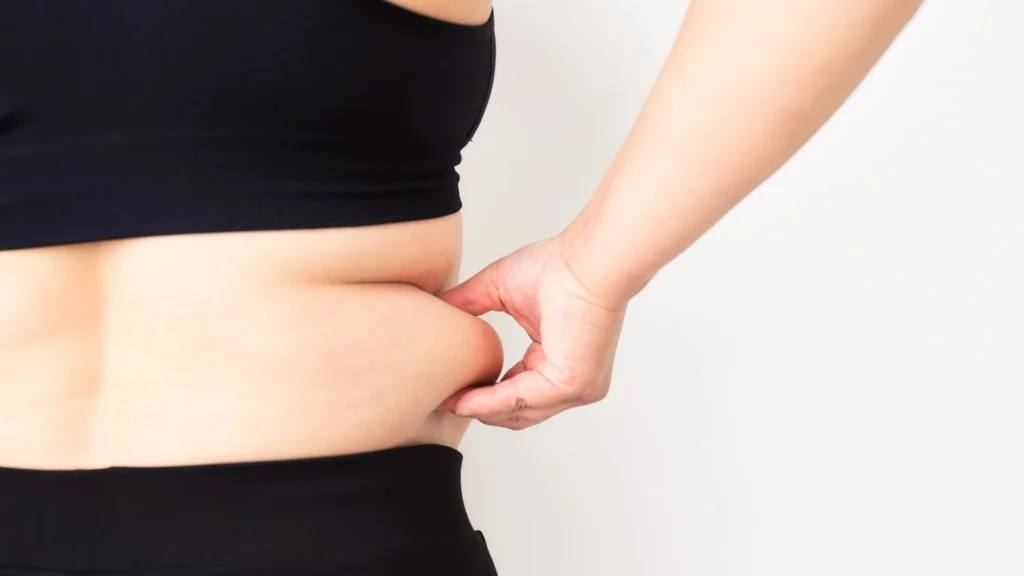
The short answer is no. Cortisol does not cause lipolysis on its own. It supports the process. It does not start it alone.
Think of cortisol as backup, not the lead. It steps in to help other hormones do their job. Without those other signals, cortisol has limited power over fat cells.
How Cortisol Helps Mobilize Stored Fat
Cortisol helps mobilize fat in a few ways. It can raise the sensitivity of fat cells to other lipolytic hormones, like adrenaline. This means cortisol makes fat cells more likely to respond when adrenaline sends its signal.
Cortisol also affects enzymes inside the fat cell. It can support the activity of hormone sensitive lipase, the enzyme that breaks down stored fat. This makes it easier for fat to be released once the right trigger arrives.
On top of that, cortisol raises blood sugar by pulling from stored energy. This shift in energy balance can push your body toward using more fat for fuel.
Why Cortisol Alone Does Not Cause Lipolysis
Cortisol needs help. It works best alongside adrenaline, glucagon, and other signals. Without these partners, cortisol has little direct effect on fat cells.
Insulin also plays a big role here. High insulin levels block lipolysis, even when cortisol is high. This is why cortisol’s effect depends so much on what else is happening in your body at the same time.
So cortisol sets the stage. It does not perform the whole act by itself.
Does Cortisol Increase or Promote Lipolysis?
Yes, cortisol can increase lipolysis. But this only happens under the right conditions. Cortisol needs low insulin and support from other hormones to have this effect.
When these conditions line up, cortisol pushes your body to release more stored fat. When they do not, cortisol’s role shrinks.
When Cortisol Increases Lipolysis

Certain situations create the right mix of hormones and low insulin for cortisol to support fat breakdown. These situations often share one thing in common: your body needs more energy than it currently has on hand.
During fasting
Fasting lowers insulin and blood sugar. This creates the right setting for cortisol to support lipolysis. Your body needs energy, and fat becomes a key source.
Cortisol works with glucagon during this time. Both hormones push your body to release stored fat and use it for fuel.
During exercise
Exercise raises cortisol along with adrenaline. Your muscles need fast energy, so your body turns to fat and stored sugar.
Cortisol supports this process by keeping fatty acids available in your blood. This helps sustain energy during longer workouts, once your body’s quick sugar stores start to run low.
During increased energy demand
Any time your body needs more energy than usual, cortisol can play a bigger role in lipolysis. This includes illness, extreme cold, or physical strain.
In these moments, your body pulls energy from multiple sources at once. Cortisol helps keep fat available as one of those sources, working alongside adrenaline and glucagon to meet the demand.
Does Cortisol Suppress Lipolysis?
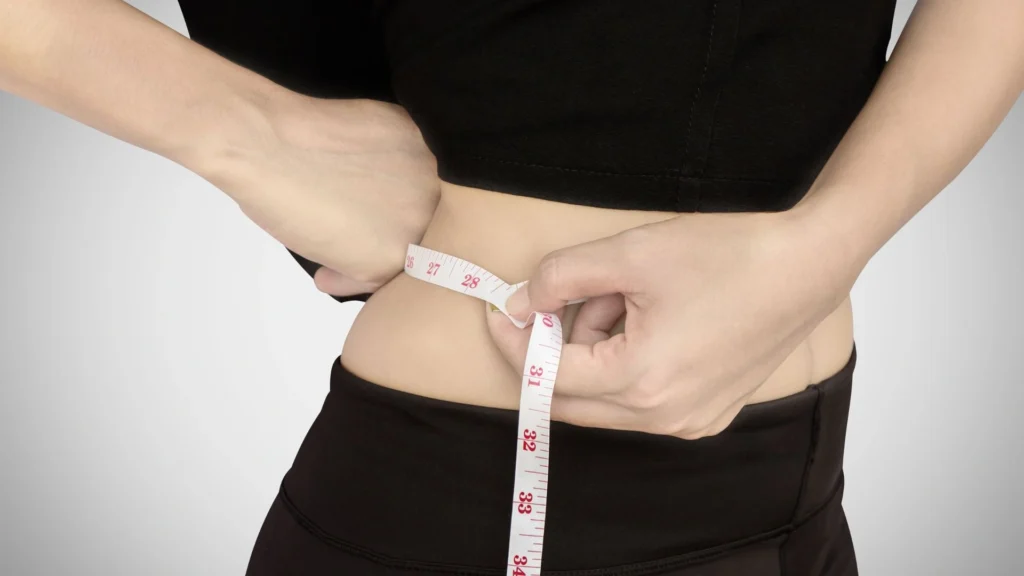
Yes, cortisol can suppress lipolysis too. This depends on how long it stays elevated and what else is happening in your body at the same time.
Short bursts of cortisol tend to support fat breakdown. Long, constant exposure often works against it.
Acute vs. Chronic Cortisol Exposure
Acute cortisol is a short spike. It rises fast, does its job, and drops back down. This kind of cortisol response usually supports lipolysis, especially when paired with adrenaline.
Chronic cortisol is different. It stays high for weeks or months. This shifts how your body handles fat, insulin, and hunger. Over time, this steady pressure can suppress the very process it once supported.
How Chronically High Cortisol Can Affect Fat Breakdown
When cortisol stays high for too long, it often raises insulin along with it. High insulin blocks lipolysis. This means fat stays locked in storage instead of being released for fuel.
Chronic cortisol can also increase appetite and cravings, especially for high sugar and high fat foods. This adds more fuel to the body’s storage system, making fat loss even harder.
Over time, this pattern can lead to fat building up in specific areas, like the belly. The fat breakdown process slows down, even though cortisol itself is still elevated.
This is the opposite of what happens during short-term stress. And it shows why chronic stress can work against your goals instead of helping them.
Cortisol, Insulin, and Lipolysis

Cortisol does not act alone. Insulin plays a major role in how cortisol affects fat. These two hormones often push in opposite directions.
Cortisol tends to support fat release. Insulin tends to support fat storage. The balance between them decides what actually happens inside your fat cells.
How Insulin Changes Cortisol’s Effect
Insulin controls how your cells use and store energy. When insulin is low, cortisol has more room to support lipolysis. Fat cells release fatty acids more easily.
When insulin rises, it overrides cortisol’s signal. Even if cortisol stays high, insulin can shut down the fat release process. This is why cortisol’s effect changes so much depending on when and how it shows up.
Meals raise insulin. Fasting lowers it. This timing matters more than most people realize.
Why High Insulin Levels Can Limit Fat Mobilization
High insulin tells your body to store energy, not release it. It blocks the enzymes that break down fat, including hormone-sensitive lipase. This slows lipolysis, even when cortisol is pushing in the other direction.
Chronic stress can make this worse. High cortisol over time often raises insulin levels too. This creates a cycle where your body holds onto fat instead of using it, even during moments when cortisol is trying to mobilize it.
This is why managing insulin matters just as much as managing cortisol. Fat mobilization depends on both hormones working in balance, not just one of them being high or low.
Why Cortisol Can Both Increase and Suppress Lipolysis

Cortisol does not have one fixed effect on fat. It can push lipolysis forward or hold it back. The outcome depends on timing, duration, and what other hormones are doing at the same time.
Short bursts of cortisol tend to work with your body. They support fast energy release during real, immediate demands. This is cortisol doing its intended job.
Long-term cortisol works differently. It stays active even when there is no real threat. Over time, this steady presence raises insulin and shifts your body toward storing fat instead of releasing it.
Insulin plays a big part in this shift. Low insulin lets cortisol support lipolysis. High insulin blocks it, no matter how high cortisol climbs.
So cortisol is not good or bad on its own. It reflects what is happening around it. Short-term stress and steady stress send very different signals to your fat cells, and your body responds to each one in its own way.
How to Support Healthy Lipolysis While Managing Cortisol

You cannot remove cortisol from your life. But you can help it work in your favor instead of against you. A few daily habits make a real difference.
Manage Chronic Stress
Chronic stress keeps cortisol high for too long. Find ways to bring your stress down on a regular basis. This could mean short breaks during the day, deep breathing, or time outdoors.
Even small changes add up. The goal is not to remove stress completely. The goal is to stop it from staying switched on all day.
Get Consistent Sleep
Poor sleep raises cortisol. Aim for seven to nine hours each night, and try to keep the same sleep schedule most days.
Your body resets cortisol levels while you sleep. Skipping this reset, night after night, keeps cortisol elevated longer than it should be.
Exercise Without Overtraining
Exercise is good for lipolysis. But too much exercise raises cortisol even further. This can backfire, especially if you are already under stress.
Balance intense workouts with rest days. Mix in lighter activity like walking. This keeps cortisol in a healthy range instead of pushing it too high.
Maintain Balanced Nutrition
Skipping meals or eating too little can raise cortisol. So can diets high in sugar and processed food. Aim for regular meals with protein, healthy fats, and fiber.
Balanced nutrition keeps insulin steady too. This gives cortisol the right conditions to support lipolysis instead of working against it.
Take Control of Cortisol and Stubborn Fat With Lipolysis
Take Control of Cortisol and Stubborn Fat With Lipolysis
Stress is part of life. But it should not stand between you and your goals. Understanding how cortisol affects lipolysis is the first step toward working with your body instead of against it.
If stubborn fat has stuck around despite your best efforts, cortisol may be part of the reason. The good news is that small, consistent changes to stress, sleep, exercise, and nutrition can shift the balance back in your favor.

For a deeper look at your options, The Beauty Lounge Toronto offers personalized consultations to help you understand what is driving your results. Visit us to learn more or book your appointment today.
Frequently Asked Questions
Watch for stubborn belly fat, poor sleep, sugar cravings, and constant fatigue. These often point to high cortisol. If you eat well and exercise but still struggle to lose weight, cortisol could be working against you. A simple blood or saliva test can check your levels and confirm what is happening.
Yes, it can. Lower cortisol often means lower insulin too. This combination makes it easier for your body to release stored fat instead of holding onto it. Managing stress, sleep, and nutrition can bring cortisol down. Over time, this shift supports fat loss instead of blocking it.
It depends on the type of exposure. A short stress spike affects fat metabolism for minutes or hours. Chronic stress is different. It can affect fat metabolism for weeks or months, especially if cortisol stays elevated every day. The longer it lasts, the more it shifts your body toward storing fat.
Both, depending on intensity. Moderate exercise briefly raises cortisol, then helps it settle. Overtraining keeps cortisol high for too long. This can work against your goals instead of helping them. Balance is key. Mix intense workouts with rest days and lighter movements like walking.
Yes, sleep plays a big role. Poor sleep raises cortisol and disrupts your body’s natural rhythm. This can slow fat burning over time. Aim for seven to nine hours each night. Consistent, quality sleep helps keep cortisol balanced and supports healthy fat metabolism.