
Caffeine and Lipolysis: How Caffeine Supports Fat Breakdown
Your morning starts the same way as millions of others.
You pour yourself a cup of coffee.
You take the first sip.
Within minutes, you feel more awake, focused, and ready to begin your day.
But have you ever wondered what happens after that first sip?
Does caffeine only make you feel more alert?
Could it also affect how your body releases stored fat?
That question has made many people curious about caffeine and lipolysis.
The answer starts with understanding how caffeine may influence fat mobilization.
Let’s explore how caffeine affects lipolysis, fat oxidation, and fat loss.
What Is Caffeine?
You likely know caffeine from coffee, tea, cocoa, and other drinks. But once you consume it, it starts affecting several systems in your body.
Caffeine is a natural stimulant that affects the central nervous system. This is why a cup of coffee can help you feel more awake and focused.
Its effects extend beyond alertness, though. Caffeine also affects cell signals linked to fat metabolism.
The amount you consume matters. Your body’s response also matters.
What Is Lipolysis?
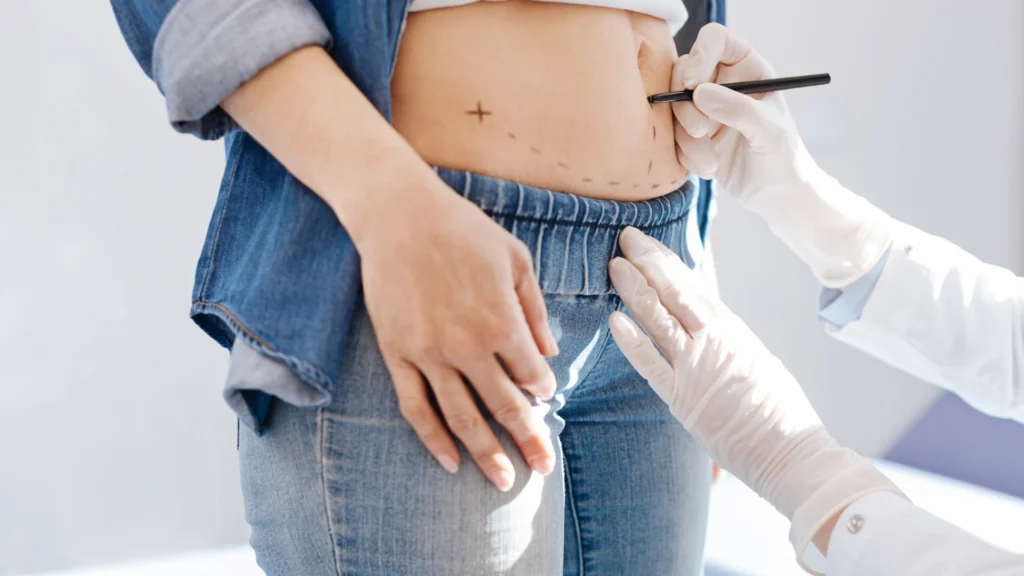
Your body stores excess energy inside fat cells as triglycerides.
When the body needs stored energy, lipolysis begins. During this process, triglycerides break down into glycerol and free fatty acids.
The breakdown takes place inside fat cells through a series of enzyme-driven steps. The resulting compounds then leave the fat cells and enter circulation.
In simple terms, lipolysis is the biological process that breaks stored triglycerides apart.
Understanding the Connection Between Caffeine and Lipolysis
Picture a fat cell storing energy for later use.
Triglycerides stay inside the cell. They remain there until signals tell the body to use that energy.
This is where caffeine can have an effect.
It can affect signals that control fat-cell activity. This can encourage triglyceride breakdown and release more fatty acids.
These signals connect caffeine with lipolysis and help the body use stored fat.
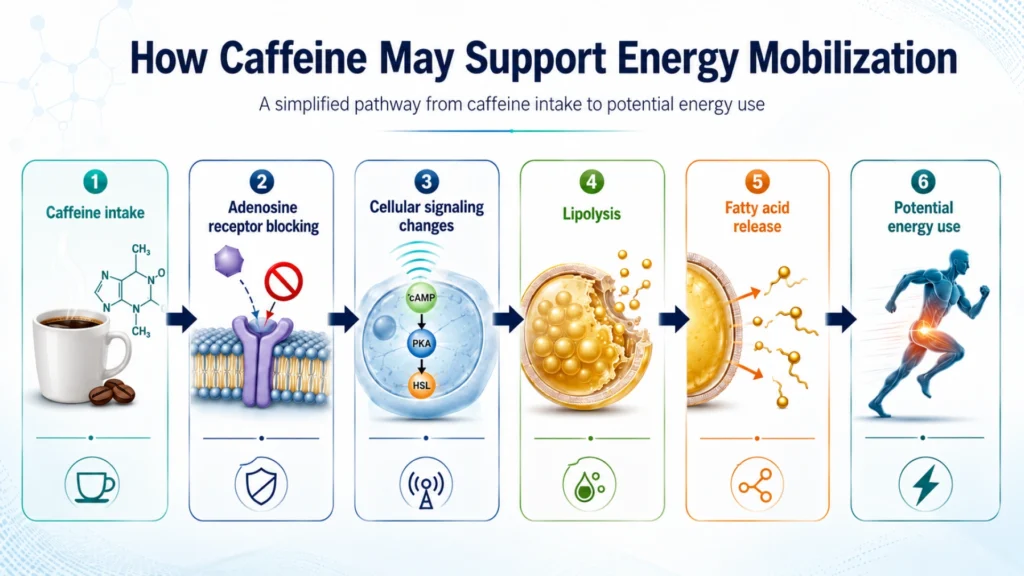
Here’s how caffeine may influence lipolysis:
Caffeine intake → Adenosine receptor blocking → Cellular signaling changes → Lipolysis → Fatty acid release → Potential energy use
It does not mean that every fatty acid released will provide energy.
Does Caffeine Increase Lipolysis?
Yes, caffeine may stimulate lipolysis by influencing activity inside fat cells. This can help break down stored triglycerides and send fatty acids into the blood.
This can help break down stored triglycerides. It releases fatty acids into the bloodstream. So, caffeine may support fat mobilization and lipolysis. But this does not guarantee long-term fat loss.
How Caffeine Stimulates Lipolysis in the Body
Let’s imagine your fat cell as a storage room.
Triglycerides stay stored inside the cell. They enter the bloodstream when the body needs energy. Caffeine may affect this system in more than one way.
Caffeine and Adenosine Signaling

Adenosine is a natural chemical messenger. It helps regulate cell activity, including in fat cells. Certain adenosine receptors can lower cAMP signals when activated. These signals help control triglyceride breakdown.
Caffeine partly works by blocking these adenosine receptors. This can change signals inside fat cells.
It may also increase activity in pathways linked to triglyceride breakdown. Caffeine may affect fat-cell activity by changing signals that help regulate these processes.
Caffeine and Phosphodiesterase Activity

Phosphodiesterase enzymes help break down cAMP. This signaling molecule helps break down stored triglycerides.
At high concentrations, caffeine can inhibit phosphodiesterase activity. This may allow cAMP to remain active for longer.
However, strong phosphodiesterase inhibition may need higher caffeine levels. These levels are usually higher than those from coffee or normal dietary intake.
So, adenosine receptor blocking may be more relevant at typical caffeine intake levels.
Lipolytic Enzymes Break Down Triglycerides
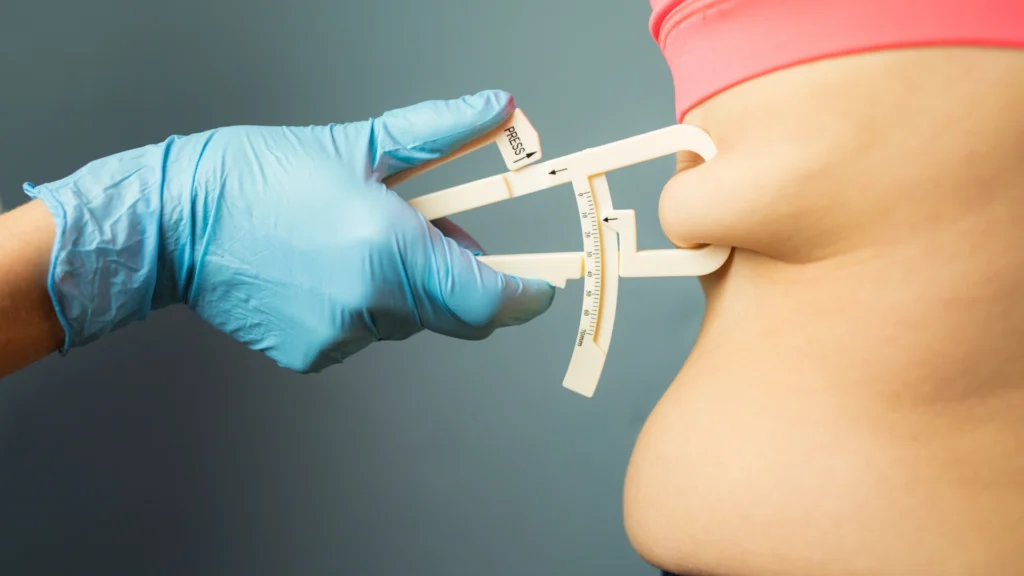
Once these signals are active, lipolysis enzymes work in stages. They break down stored triglycerides.
Each enzyme handles a different step in the process.
- Adipose triglyceride lipase (ATGL) starts by breaking triglycerides into smaller parts.
- Hormone-sensitive lipase (HSL) then acts on the next breakdown product.
- Finally, monoacylglycerol lipase (MGL) completes the process, producing glycerol and free fatty acids.
This process makes stored energy available when your body needs it.
Fatty Acids Enter Circulation
As triglycerides break down, they release free fatty acids.
These fatty acids enter the blood and travel to body tissues. The tissues can take them in and use them as fuel when the body needs energy.
However, the body does not always use every fatty acid for energy. The body’s energy needs and metabolic state guide how it uses them.
Does Caffeine Burn Fat or Only Increase Lipolysis?
The phrase “fat burning” can refer to more than one biological process.
Lipolysis breaks down stored triglycerides. Fat oxidation uses fatty acids to make energy. These processes connect, but they are not the same.
Imagine opening a storage box. Lipolysis means taking the stored material out. Fat oxidation happens when the body uses that material as fuel.
Caffeine can affect both processes. But caffeine alone may not lead to long-term fat loss.
The body can use some fatty acids for energy. It can also store others again. So, more lipolysis does not always mean more fat loss.
How Does Lipolysis Contribute to Fat Loss?
Lipolysis is one step within the larger process of changing body-fat levels.
The pathway works like this:
➜ Lipolysis breaks down triglycerides inside fat cells.
➜ The fatty acids then enter the blood.
➜ Body tissues take in these compounds when they need fuel.
➜ Oxidation turns this fuel into energy.
➜ The body can store unused fatty acids again.
Body fat decreases over time when the body uses more stored energy than it stores.
This is where energy balance matters.
A steady calorie deficit makes the body use more stored energy. When energy intake stays higher than energy use, the body can store more energy.
In the end, lipolysis makes stored energy available. Long-term changes in body fat depend on energy balance.
How Long Does Caffeine Stimulate Lipolysis?

After you consume caffeine, it enters your bloodstream. It then starts affecting your body.
Blood caffeine levels often peak within 30 to 60 minutes. Your body processes caffeine over several hours, so its effects can last for hours.
However, lipolysis does not stay high for the whole time.
There is no single “fat-burning window” for everyone. Caffeine’s effect on lipolysis is temporary. It does not mean fat burning stays high for a set time.
Factors That Influence Caffeine-Induced Lipolysis

You might expect caffeine to affect everyone in the same way.
It doesn’t.
A few factors can affect how your body responds to caffeine and lipolysis:
- Caffeine dose: The amount you consume can affect your response. More caffeine does not always mean more lipolysis. Higher amounts can also increase the risk of unwanted side effects.
- Caffeine habits: Regular caffeine use may reduce some of its effects over time. Your body can adapt to frequent caffeine intake.
- Food and activity: What you eat and how active you are can affect how your body uses available fuel. Exercise may also change the amount of fat and carbohydrates your body uses for energy.
- Individual response: People process and respond to caffeine in unique ways. Genetics, metabolism, medications, and personal sensitivity can all influence the response.
Your caffeine dose, habits, food, activity, and body can all affect lipolysis. These factors help shape your response.
Wondering How Caffeine May Support Lipolysis and Fat Loss?
Caffeine may help release fatty acids from fat cells. But this does not guarantee long-term fat loss. Your diet, activity, and calorie balance also affect how your body uses stored fat.
If you have stubborn fat in one area, caffeine cannot target where your body loses fat. It may affect fat mobilization, but it does not provide targeted fat reduction.

The Beauty Lounge Toronto offers personalized treatments for stubborn fat. A consultation can help you explore your options and choose the right treatment.
Book a consultation to discuss your concerns and find a treatment that suits you.
FAQs
Coffee contains caffeine, so it can have similar effects. However, caffeine levels can vary by type and serving size. Supplements often provide a set dose. This makes the dose easier to measure. But supplements may not work better than coffee.
Caffeine does not target belly fat. Your body decides where it stores and loses fat. Reducing belly fat requires changes in body composition. Eat a healthy diet. Exercise regularly. Eat the right amount of food. These matter more than caffeine alone.
Many healthy adults can consume caffeine each day. But caffeine should not become your main way to lose fat. Too much caffeine can cause poor sleep, anxiety, or a fast heartbeat. If you are pregnant or have certain health problems, you may need to limit caffeine. Ask your doctor for advice.
No. People respond to caffeine in different ways. Your genes, caffeine habits, metabolism, dose, and sensitivity can affect your response. Some people feel more alert after a small amount. Others need more to notice an effect. The same dose can affect people in different ways.
Yes. Regular caffeine use can lead to tolerance. The same amount may feel less noticeable after repeated use. Your body adapts to regular caffeine intake. However, tolerance does not mean caffeine stops having every effect. Some effects may become weaker over time.