
7 Best Peptides for Fat Burning Lipolysis: 2026

Your body burns fat every day. It just may not burn it fast enough or where you want.
If you’ve been looking into peptides for fat loss, you’ve probably seen the same claim over and over. Every peptide promises to be the next breakthrough.
Some promise fast weight loss.
Others claim to target stubborn fat.
A few are even called “fat-burning peptides.”
The problem is that they don’t all work the same way.
Some help you lose weight by reducing appetite and helping you eat less. Others are being studied for their ability to support lipolysis, the process your body uses to break down stored fat.
That difference matters. Losing weight is not the same as directly increasing fat breakdown. Knowing how a peptide works can help you set realistic expectations.
We compare seven of the most talked-about peptides for fat loss in 2026: Tirzepatide, Semaglutide, Tesamorelin, AOD-9604, Retatrutide, CJC-1295 with Ipamorelin, and MOTS-c.
You’ll get to know how each one works, whether it supports lipolysis directly or indirectly, and the pros and cons to weigh before talking to a qualified healthcare professional.
What is a Fat Burning Peptide?

A fat-burning peptide is a peptide that may help your body lose fat. It can work in different ways. Some reduce hunger. Others help your body use stored fat for energy. Some may also increase growth hormone activity to support lipolysis.
Not all peptides work the same way. Tirzepatide and Semaglutide mainly help people lose weight by making them feel full for longer. Tesamorelin and AOD-9604 are studied for their effects on fat metabolism and lipolysis. Newer peptides, such as MOTS-c and Retatrutide, are still being researched.
That’s why it’s important to understand how a peptide works before choosing one. A peptide that helps you lose weight does not always increase fat breakdown directly. In the same way, a peptide that supports lipolysis cannot replace healthy eating or regular exercise. The right choice depends on your goals, your overall health, and advice from a qualified healthcare professional.
How We Ranked These Peptides

Not every peptide deserves the same spot on the list. Some have years of clinical research behind them, while others are still being studied. Some mainly help with weight loss, while others may have a more direct effect on fat metabolism and lipolysis.
To rank these peptides fairly, we looked at five key factors:
- Effect on lipolysis: Does the peptide directly or indirectly support fat breakdown?
- Weight loss results: How well does it help reduce body fat and body weight?
- Research and clinical evidence: Is there strong human research to support its use?
- Safety profile: What are the known side effects and safety concerns?
- Availability: Is it approved for medical use? Available by prescription? Or still considered investigational?
No single peptide is the best choice for everyone. The right option depends on your health, your goals, and whether you’re looking for overall weight loss or support for fat metabolism.
7 Best Peptides for Fat Burning and Lipolysis
From prescription medications to emerging research peptides. These are seven of the most talked-about options for fat loss in 2026.
Each one works differently and comes with its own strengths and limitations. Understanding those differences can help you choose the option that best fits your goals.
Tirzepatide
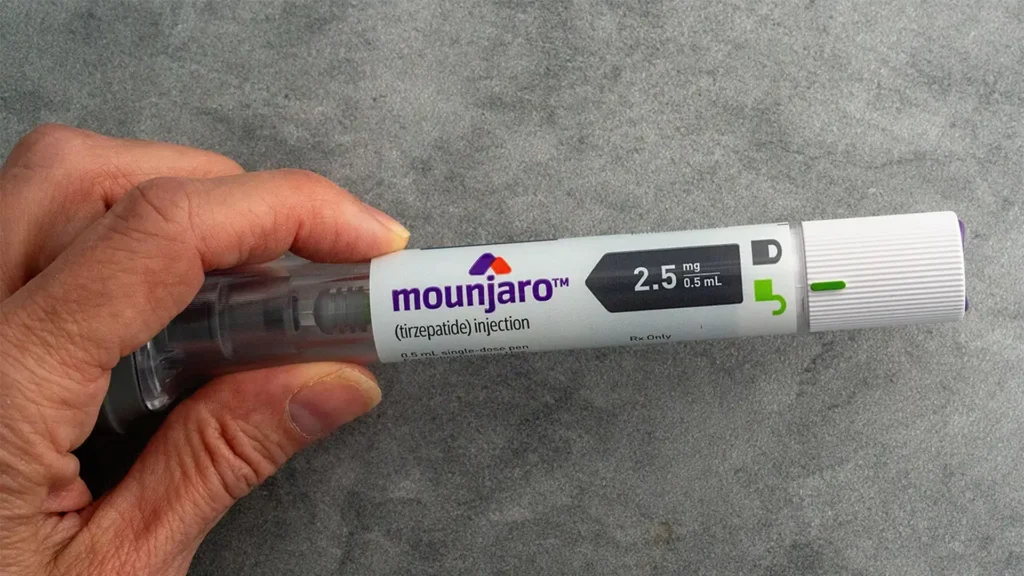
Tirzepatide is one of the most effective prescription medications for weight loss available today. It activates the GLP-1 and GIP receptors, which help control appetite, slow digestion, and improve blood sugar levels. As a result, many people feel full sooner and naturally eat fewer calories.
Tirzepatide does not directly trigger lipolysis in the same way as peptides designed to target fat metabolism. Instead, it helps create the conditions for your body to use stored fat by reducing calorie intake and improving metabolic health.
As body weight drops, your body naturally relies more on stored fat for energy.
Pros
Tirzepatide addresses several factors linked to weight gain, not just appetite. Its strong clinical results make it a leading option for people with obesity and excess weight.
- Significant weight loss shown in clinical trials
- Helps control appetite and food cravings
- May improve blood sugar and insulin sensitivity
- FDA-approved for chronic weight management in eligible adults
These benefits make Tirzepatide one of the best prescription options for overall weight loss. While it does not directly stimulate lipolysis, losing weight naturally helps your body burn more stored fat over time.
Cons
Like any prescription medication, Tirzepatide also has some limitations. Understanding the possible drawbacks can help you decide whether it’s the right option for your weight loss goals.
- Does not directly stimulate lipolysis
- Common side effects include nausea, vomiting, and diarrhea
- Requires a prescription and ongoing medical supervision
A qualified healthcare professional can help you decide whether Tirzepatide is the right choice based on your health, medical history, and weight loss goals.
Semaglutide
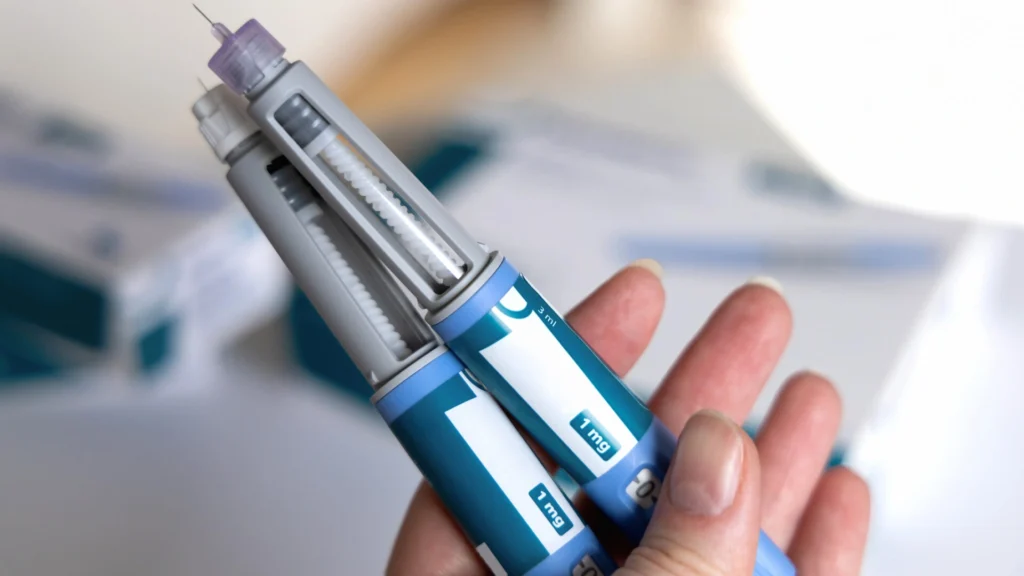
Semaglutide is a GLP-1 receptor agonist that helps people lose weight by reducing hunger and slowing digestion.
It helps you feel full sooner and stay satisfied for longer, making it easier to eat fewer calories throughout the day.
This steady reduction in calorie intake has made Semaglutide one of the most widely prescribed medications for chronic weight management.
It does not directly stimulate lipolysis. Instead, it supports fat loss by helping you maintain a calorie deficit. As body fat decreases, your body naturally breaks down more stored fat to meet its energy needs.
Pros
Semaglutide has become a popular option. It combines proven weight loss results with years of clinical research.
- Proven to support meaningful weight loss
- Helps reduce appetite and food cravings; may approve blood sugar
- FDA-approved for chronic weight management in eligible adults
For many people, these benefits make it a reliable choice for long-term weight management when combined with healthy lifestyle changes.
Cons
Like any prescription medication, Semaglutide also has limitations and may not be the right choice for everyone.
- Digestive side effects such as nausea and constipation are common
- Weight regain may occur if treatment is stopped without lifestyle changes
A healthcare professional can help determine whether the potential benefits outweigh these risks based on your medical history and treatment goals.
Tesamorelin
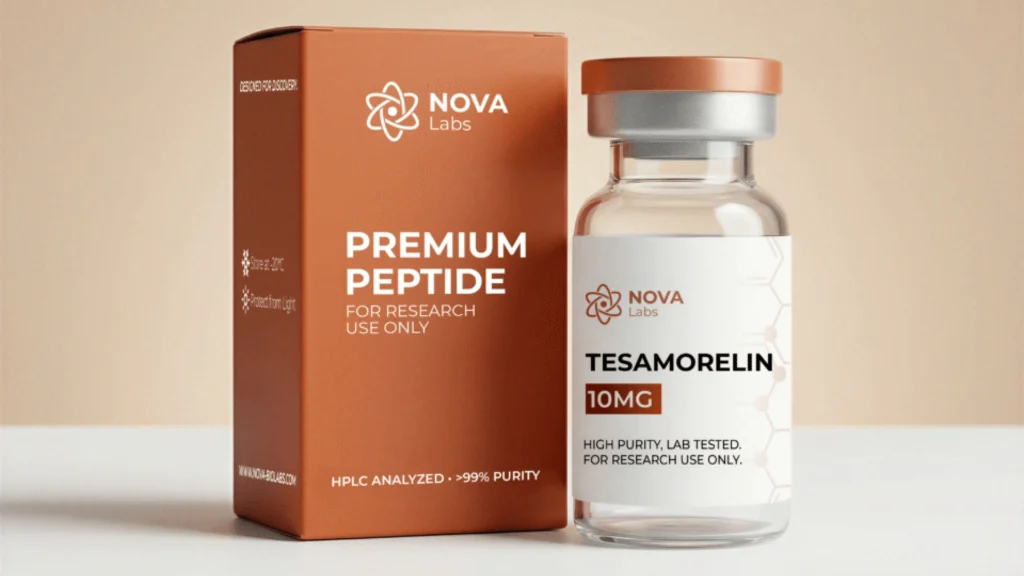
Tesamorelin is a synthetic growth hormone-releasing hormone (GHRH) analogue.
It works by increasing your body’s natural production of growth hormone, which may help reduce visceral fat, the fat stored deep around the abdominal organs.
Unlike GLP-1 medications, it is not designed to reduce appetite or make you eat less.
Tesamorelin may have a more direct effect on fat metabolism than appetite-suppressing peptides. Research has shown it can reduce visceral fat in certain patients, but it is not approved as a general treatment for weight loss or obesity.
Pros
Tesamorelin is different from many other fat loss peptides. It focuses on body composition rather than appetite control.
- May help reduce visceral abdominal fat
- Supports the body’s natural growth hormone production
- Works through a different pathway than GLP-1 medications
- May improve body composition in appropriate patients
These benefits make Tesamorelin an option for specific medical conditions, especially when excess visceral fat is a concern.
Cons
Tesamorelin also has important limitations, and it is not the right choice for everyone seeking weight loss.
- Not approved for general weight loss
- Limited evidence for reducing overall body fat in healthy adults
- Requires a prescription and medical supervision
Because its approved use is limited, Tesamorelin should only be used when recommended by a qualified healthcare professional based on your medical needs.
AOD-9604
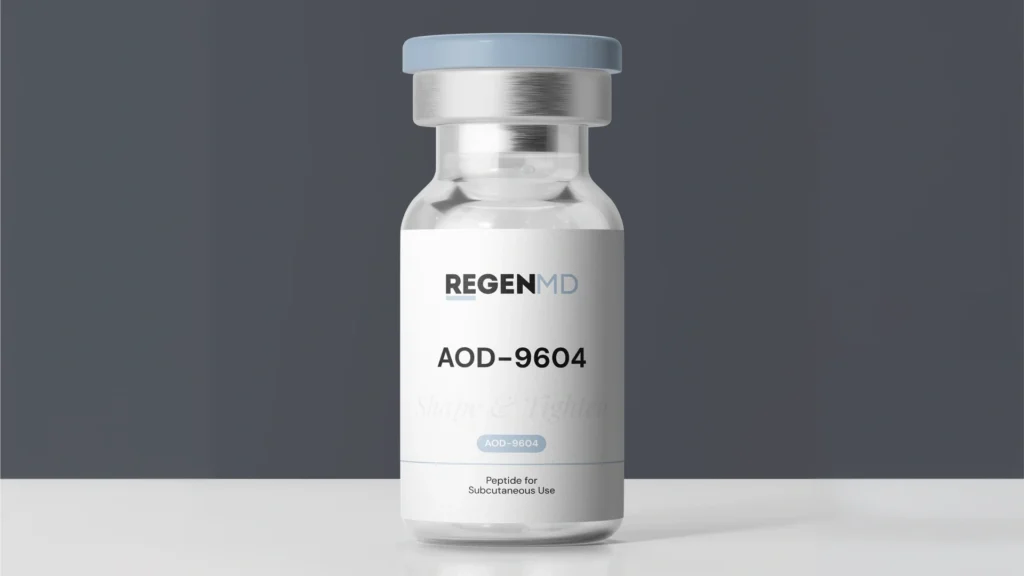
AOD-9604 is a synthetic peptide developed from a modified portion of human growth hormone. Unlike full growth hormone, it was designed to target fat metabolism without affecting blood sugar or promoting muscle growth.
For this reason, it is often discussed as a peptide that may support lipolysis more directly than appetite-suppressing medications.
Research on AOD-9604 is still limited, and results have been mixed. While some studies suggest it may help promote fat breakdown, it has not consistently produced significant weight loss in clinical trials. More research is needed to fully understand its role in fat reduction.
Pros
AOD-9604 attracts attention because its proposed mechanism focuses on fat metabolism rather than simply reducing food intake.
- Designed to support fat metabolism and lipolysis
- Does not rely on appetite suppression
- Does not appear to affect blood sugar levels
These features have made AOD-9604 a popular topic in fat loss research, especially for people interested in peptides that may target lipolysis more directly.
Cons
Despite its potential, AOD-9604 has several important limitations that should not be overlooked.
- Limited clinical evidence compared with GLP-1 medications
- Not approved as a weight loss medication in many countries
While AOD-9604 shows promise, stronger clinical evidence is needed before it can be considered a proven option for fat loss.
Retatrutide
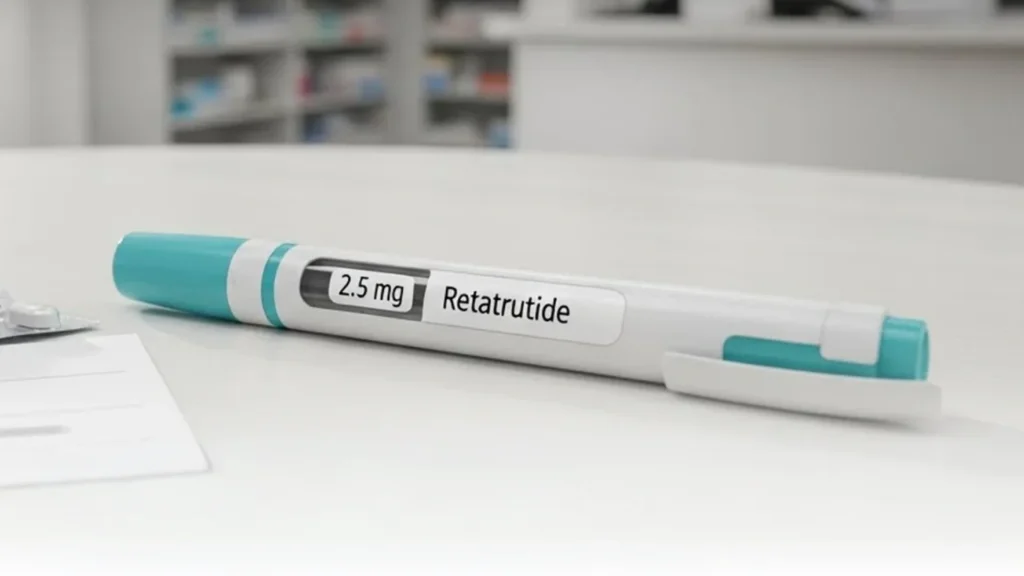
Retatrutide is an investigational peptide that activates the GLP-1, GIP, and glucagon receptors.
By targeting all three pathways, it aims to reduce appetite, improve energy use, and support greater weight loss than current GLP-1 medications.
Early clinical studies have shown encouraging results, but it is still being evaluated.
Like Tirzepatide and Semaglutide, Retatrutide does not directly trigger lipolysis. Instead, it helps create the conditions for fat loss by lowering calorie intake and increasing energy expenditure, allowing the body to use more stored fat over time.
Pros
Retatrutide has generated interest because it may represent the next generation of weight loss peptides.
- Impressive weight loss results in early clinical trials
- May increase energy expenditure alongside appetite control
- Targets three hormone pathways instead of one
Its early results have been promising, but larger studies are still underway to confirm its long-term safety and effectiveness.
Cons
Because Retatrutide is still being studied, there are important questions that have not yet been answered.
- Not yet widely available for clinical use
- Long-term safety data are still limited
- Digestive side effects remain common in clinical studies
Until more evidence becomes available, Retatrutide should be viewed as a promising investigational peptide rather than an established treatment.
CJC-1295 + Ipamorelin
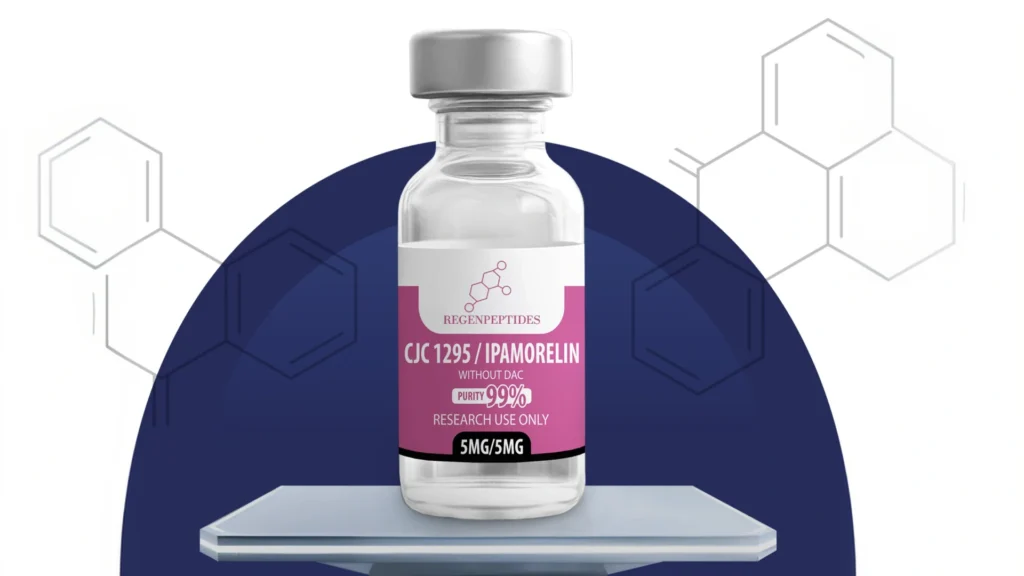
CJC-1295 and Ipamorelin are often paired because they help increase the body’s natural release of growth hormone.
CJC-1295 helps extend growth hormone release, while Ipamorelin stimulates the pituitary gland to produce more.
Together, they are commonly used to support body composition, recovery, and fat loss.
Unlike GLP-1 medications, this peptide combination does not reduce appetite. Any fat loss is believed to come from changes in growth hormone levels rather than a direct effect on lipolysis.
However, clinical evidence for meaningful weight loss in healthy adults is still limited.
Pros
One reason this combination remains popular is that it takes a different approach to fat loss than appetite-suppressing medications. Instead of helping you eat less, it aims to support natural growth hormone production, which may influence body composition.
- May increase the body’s natural growth hormone production
- Often used to support body composition and recovery
While early research is promising, more high-quality human studies are needed to confirm its role in fat loss.
Cons
Like many growth hormone peptides, CJC-1295 and Ipamorelin come with several limitations.
- Limited clinical evidence for weight loss
- Does not directly target lipolysis
- Long-term safety data are still limited
Anyone considering this peptide combination should discuss the potential benefits and risks with a qualified healthcare professional.
MOTS-c
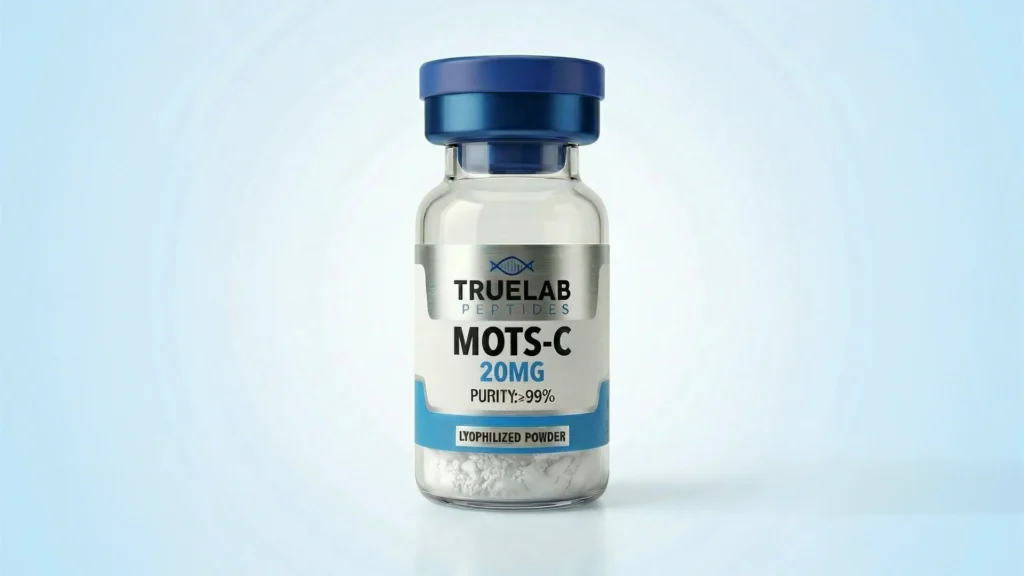
MOTS-c is a naturally occurring peptide that is being studied for its role in metabolism and energy production.
Researchers believe it may help cells use energy more efficiently and improve metabolic function, which has made it an area of interest in obesity and fat loss research.
Although early findings are encouraging, there is currently very little human research showing that MOTS-c directly increases lipolysis or leads to meaningful weight loss. Most of the available evidence comes from laboratory and animal studies.
Pros
MOTS-c stands out because it focuses on cellular metabolism rather than appetite or growth hormone pathways.
- May support healthy energy metabolism
- Could improve metabolic function in certain conditions
- Early research shows potential for future obesity treatments
Its unique mechanism has made it one of the most interesting peptides under investigation, but much of the research is still in its early stages.
Cons
There are still many unanswered questions about how MOTS-c works in humans.
- Limited human clinical evidence
- Not approved for weight loss treatment
For now, MOTS-c should be viewed as an experimental peptide rather than a proven option for fat loss or lipolysis.
Quick Comparison Table
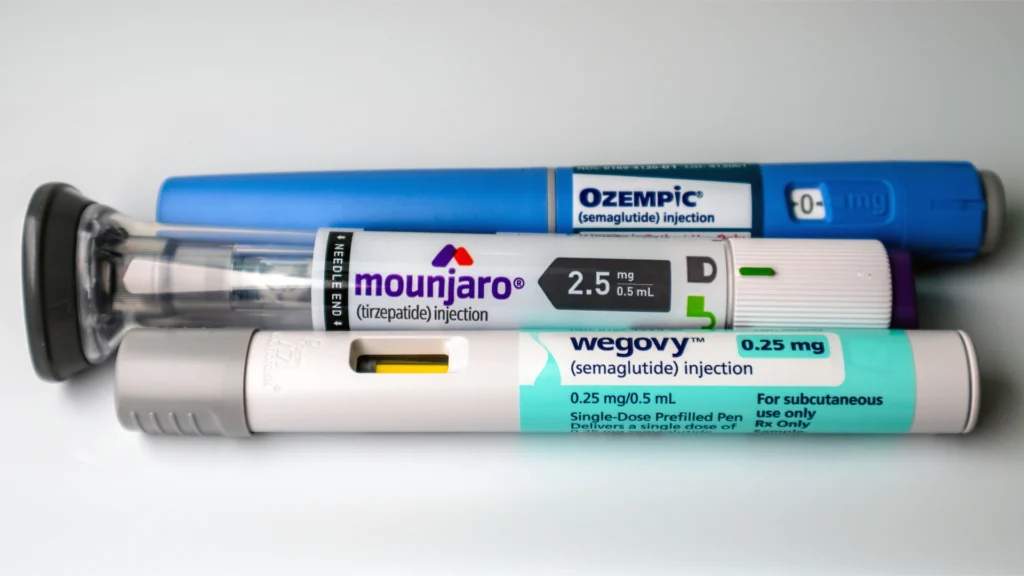
Choosing the right peptide depends on your goals. Some are backed by strong evidence for weight loss, while others are being studied for their effects on fat metabolism and lipolysis. This table highlights the key differences at a glance.
| Peptide | Primary Mechanism | Directly Supports Lipolysis? | Best For | Status |
| Tirzepatide | Reduces appetite through GLP-1 and GIP receptors | Indirectly | Significant weight loss | FDA-approved for eligible adults |
| Semaglutide | Reduces appetite through GLP-1 receptors | Indirectly | Long-term weight management | FDA-approved for eligible adults |
| Tesamorelin | Increases natural growth hormone release | May support lipolysis | Reducing visceral abdominal fat | FDA-approved for a specific medical indication |
| AOD-9604 | Designed to influence fat metabolism | Yes, proposed mechanism | Fat metabolism and lipolysis research | Investigational in many regions |
| Retatrutide | Activates GLP-1, GIP, and glucagon receptors | Indirectly | Investigational weight loss therapy | Under clinical investigation |
| CJC-1295 + Ipamorelin | Stimulates natural growth hormone production | May support lipolysis indirectly | Body composition support | Not FDA-approved for weight loss |
| MOTS-c | Influences cellular energy metabolism | Under investigation | Experimental metabolic research | Experimental |
While each peptide has potential benefits, no single option is best for everyone. Your health, treatment goals, and medical history should always guide the decision, along with advice from a qualified healthcare professional.
Which Peptide is Best?

The answer depends on what you’re trying to achieve. Some peptides have the strongest evidence for overall weight loss, while others are better known for their potential role in fat metabolism and lipolysis. Here’s how they compare based on their primary strengths.
Best Overall Weight Loss
Tirzepatide ranks first for overall weight loss. Clinical trials have shown greater average weight loss than many other medications currently available.
It works by reducing appetite, improving blood sugar control, and helping people maintain a calorie deficit over time. While it does not directly stimulate lipolysis, it creates the conditions for your body to burn more stored fat as you lose weight.
Best FDA-Approved Alternative
Semaglutide is another leading choice for people looking for an FDA-approved weight loss medication. It has strong clinical evidence, a well-established safety profile, and has helped many people achieve meaningful long-term weight loss. Although its effects on lipolysis are indirect, it remains one of the most trusted options available today.
Best for Direct Lipolysis
AOD-9604 is often considered the peptide most closely linked to direct fat metabolism. Unlike GLP-1 medications that mainly reduce appetite, AOD-9604 was designed to target pathways involved in fat breakdown.
However, current research is still limited, and its clinical results have been less consistent than those seen with Tirzepatide or Semaglutide. More studies are needed before it can be considered a proven fat loss treatment.
Can Peptides Replace Diet and Exercise?

The short answer is no. Even the most effective fat loss peptides work best when combined with healthy eating, regular exercise, and other lifestyle changes. They can support weight loss or fat metabolism, but they cannot replace the habits that help you maintain long-term results.
For example, GLP-1 medications such as Tirzepatide and Semaglutide help many people eat fewer calories by reducing hunger. However, if healthy habits are not maintained, weight regain is possible after treatment ends. Likewise, peptides that may support lipolysis are not designed to offset a poor diet or a sedentary lifestyle.
Think of peptides as one part of a larger weight management plan. A balanced diet, strength training, regular physical activity, and quality sleep all play an important role in improving body composition and supporting lasting fat loss.
Are Fat Burning Peptides Safe?

Many fat-burning peptides have been studied in clinical trials, but their safety depends on the specific peptide, your medical history, and how the treatment is used. Prescription medications such as Tirzepatide and Semaglutide have established safety data when used under medical supervision. Other peptides, including AOD-9604, Retatrutide, CJC-1295, and MOTS-c, either have limited evidence or are still being studied.
Like any medication, peptides can cause side effects. The most common include nausea, vomiting, diarrhea, constipation, and stomach discomfort. Some peptides may also carry additional risks or may not be suitable for people with certain medical conditions.
Before starting any peptide therapy, speak with a qualified healthcare professional. They can review your health history, discuss the potential benefits and risks, and recommend the treatment that best fits your goals.
Take the Next Step Toward Better Fat Breakdown
Fat loss peptides can be useful tools, but they don’t all work the same way. Some help you lose weight by reducing appetite, while others are being studied for their potential to support lipolysis more directly. Understanding these differences can help you choose a treatment that matches your goals and expectations.
No peptide can replace healthy lifestyle habits, and not every option is right for every person. The best results often come from a personalized approach that considers your health, body composition, and long-term goals.

If you’re looking to target stubborn fat that doesn’t respond to diet and exercise alone, clinical lipolysis may be another option worth exploring. Unlike systemic weight loss treatments, lipolysis treatments focus on reducing localized fat in specific areas of the body.
At The Beauty Lounge Toronto, our team can assess your concerns and recommend the most suitable treatment plan for your goals. Book a consultation today to learn whether clinical lipolysis is the right next step for you.
FAQs
Yes, some peptides may help reduce belly fat by supporting overall weight loss or influencing fat metabolism. However, results vary depending on the peptide. Medications such as Tirzepatide and Semaglutide mainly reduce body fat through weight loss, while Tesamorelin has been shown to reduce visceral abdominal fat in specific patients.
Most people begin noticing changes within a few weeks, but meaningful fat loss usually takes several months. The timeline depends on the peptide used, your treatment plan, lifestyle habits, and how your body responds. Following your healthcare provider’s recommendations can help improve long-term results.
In some cases, yes. Peptides may support overall weight management, while clinical lipolysis treatments target localized areas of stubborn fat. Whether they should be combined depends on your health, treatment goals, and medical history. A qualified healthcare professional can recommend the safest and most effective approach.
Fat loss peptides may be suitable for adults with obesity, excess weight, or certain medical conditions, depending on the specific treatment. Eligibility varies between peptides, and some require a prescription. A medical assessment is the best way to determine whether peptide therapy is appropriate for you.
Some people regain weight after stopping treatment, especially if healthy eating and regular exercise are not maintained. The amount of weight regained varies from person to person. Building sustainable lifestyle habits during treatment can help support long-term weight management after therapy ends.
It depends on the peptide. Prescription medications such as Tirzepatide, Semaglutide, and Tesamorelin require medical supervision in many countries. Other peptides may be available for research purposes but are not approved for weight loss. Always consult a qualified healthcare professional before starting peptide therapy.