
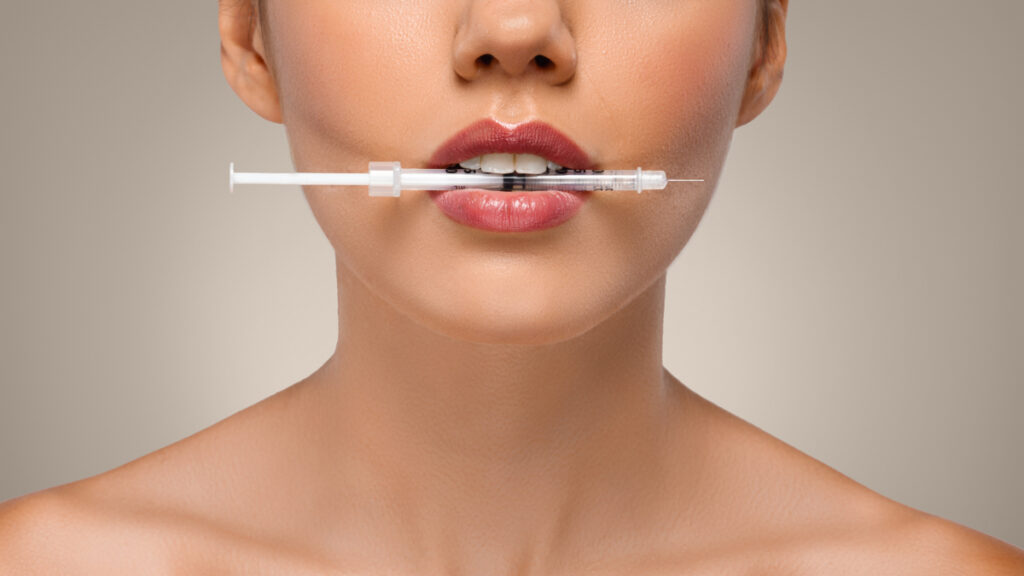
After getting fillers, it’s generally recommended to avoid certain foods and behaviors that could potentially increase swelling or bruising. Here are some tips: Avoid alcohol: Alcohol can increase the risk of bruising and swelling, so it’s best to avoid it for at least 24-48 hours after getting fillers. Limit salty foods: Excess salt can cause […]
After receiving a filler injection, there are several precautions and activities that are typically advised against for a certain period of time to ensure proper healing and minimize the risk of complications. Here are some common guidelines: Avoid touching or applying pressure to the treated area: It’s essential to refrain from touching, rubbing, or applying […]
Filler migration can vary depending on several factors, including the type of filler used, the injection technique, and individual characteristics of the patient’s anatomy and skin. However, some general observations can be made: Type of Filler: Different types of fillers have varying levels of viscosity and cohesiveness. Thicker fillers tend to stay in place better […]
Drinking water is essential for overall health and can indirectly help with the effectiveness of fillers. Hydration can improve skin health and elasticity, which may contribute to a more natural and long-lasting appearance of fillers. However, directly affecting the volume or duration of fillers through hydration alone is unlikely. It’s always best to consult with […]
When considering dermal fillers, there are several “don’ts” to keep in mind to ensure safety and satisfactory results: Don’t opt for unqualified providers: Only trust licensed medical professionals like dermatologists, plastic surgeons, or trained nurse injectors for dermal filler injections. Avoid beauty salons or non-medical professionals offering these services. Don’t ignore allergies or medical conditions: […]
Dermal fillers are generally safe when administered by a trained and qualified professional. However, like any medical procedure, there are risks involved. Some potential complications and risks associated with dermal fillers include: Bruising and swelling: These are common side effects and usually resolve within a few days. Allergic reactions: Though rare, some people may be […]
Shedding after laser hair removal typically occurs within 1 to 3 weeks following the treatment. The shedding process varies from person to person, but it often involves the targeted hairs becoming loose and falling out from the treated area. This shedding can resemble natural hair shedding, where you may notice hair falling out more frequently […]
After undergoing laser hair removal, it’s not uncommon for some individuals to experience accelerated hair growth in the treated areas. This phenomenon is known as “paradoxical hypertrichosis” or “refractory hair.” While laser hair removal is intended to reduce hair growth, paradoxical hypertrichosis can occur in a small percentage of people as a response to the […]
Laser hair removal works by targeting the pigment (melanin) in the hair follicle, heating it up to damage the follicle and inhibit future hair growth. When laser treatment is performed on unshaved hair, several things can happen: Inefficient Treatment: The presence of hair above the skin’s surface can scatter or absorb the laser energy, making […]
While laser hair removal is generally safe and effective for many people, there are certain individuals who may not be good candidates for this procedure. These may include: Pregnant women: Due to the potential risks to the fetus, pregnant women are typically advised to avoid laser hair removal, especially in areas close to the abdomen. […]


