
Ultrasound Lipolysis: What It Is & How It Works
You know that one pair of jeans you love?
You put them on and think, “Why do they feel tight here?”
You eat well and stay active. Still, some areas can be hard to change. Fat may stay in certain spots.
You may not want to lose more weight. You may just want to shape one area.
That is why some people look into lipolysis treatment. These treatments target fat in certain areas. They do not focus on overall weight loss.
One option is ultrasound lipolysis. It uses ultrasound energy during treatment.
But what happens under the skin?
How does ultrasound lipolysis work?
It starts with how energy affects fat cells. Let’s break it down.
What Is Ultrasonic Lipolysis?
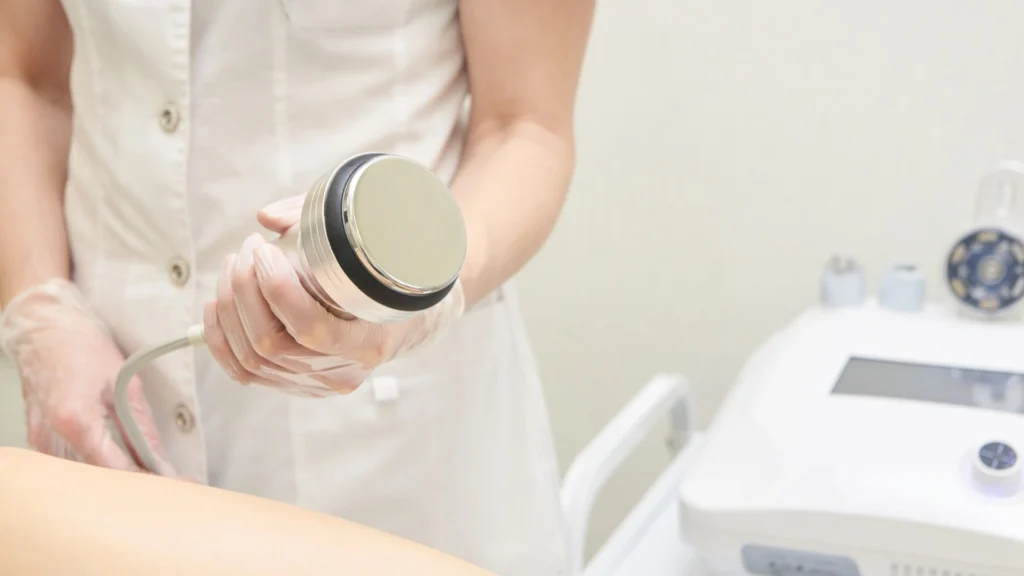
Ultrasonic lipolysis is a non-invasive treatment that uses ultrasound energy. It targets fat under the skin in specific areas.
It may be used on areas such as the stomach, hips, thighs, or arms. It focuses on specific areas rather than overall body weight.
The treatment does not use surgery or cuts. It is mainly used for people who want to reduce small areas of unwanted fat.
In simple terms, ultrasonic lipolysis uses ultrasound energy to target fat in selected areas.
How Does Ultrasound Lipolysis Work?
So, what happens during an ultrasound lipolysis treatment? Here is the process step by step:
Step 1: Ultrasound Energy Targets the Cells
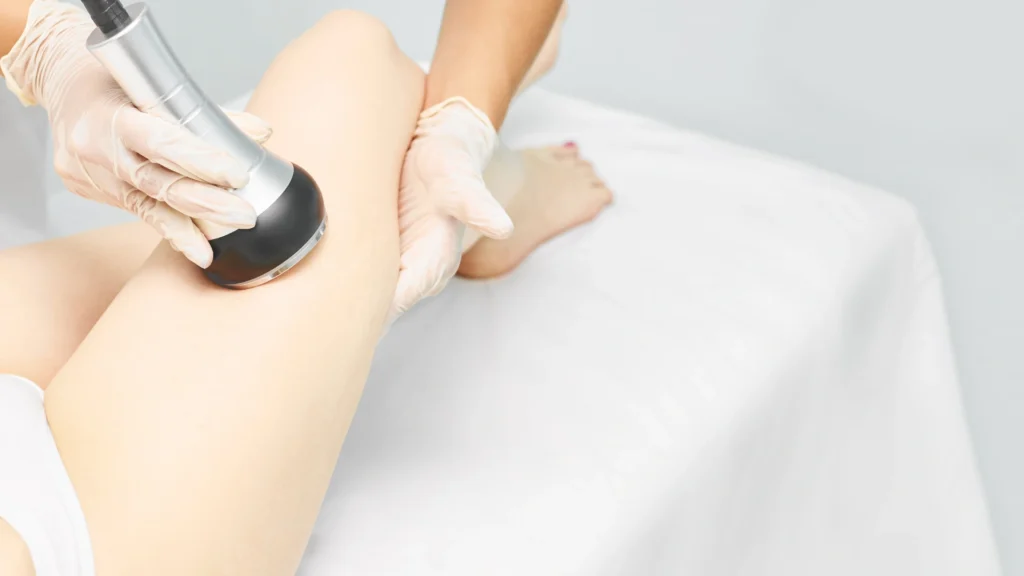
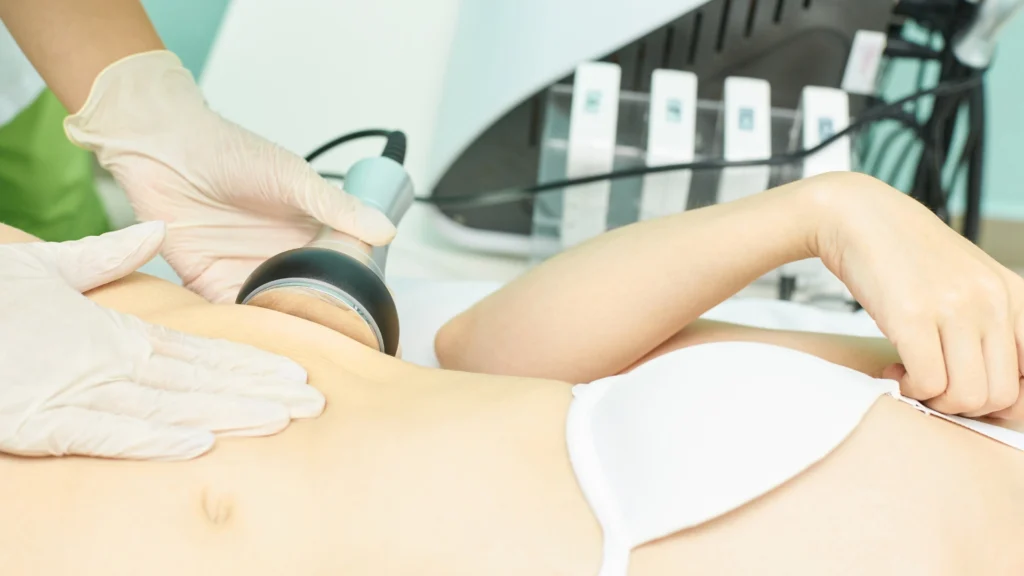
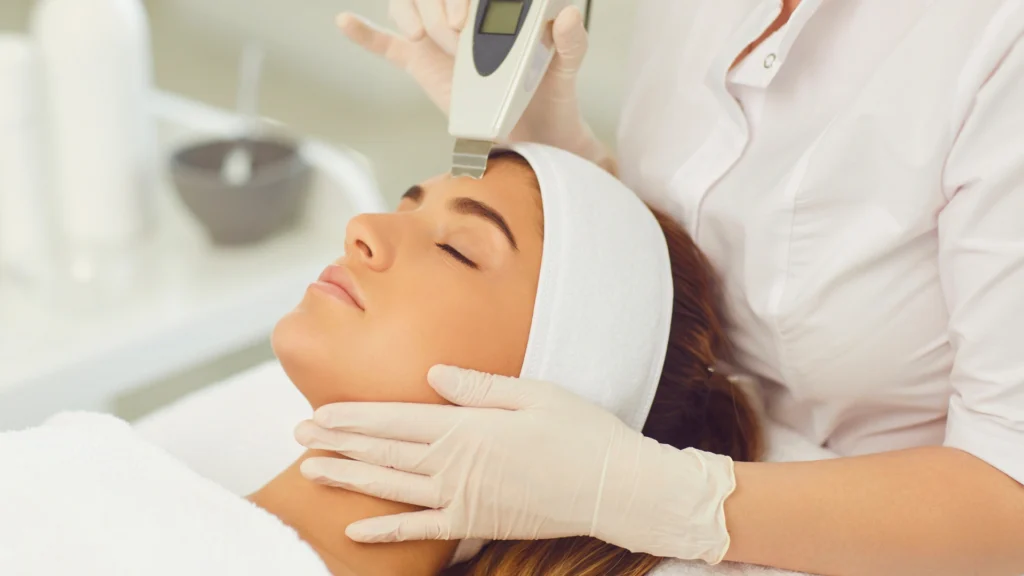
A handheld device moves over the selected area. It sends ultrasound energy through the skin toward the tissue underneath.
The skin remains intact during the process.
Step 2: Ultrasound Affects Fat Cells
As the ultrasound reaches the target tissue, it creates mechanical effects within the fat layer.
These effects may affect fat-cell structure. The exact response depends on the ultrasound technology, energy level, and treatment settings.
Step 3: The Body Processes the Affected Fat Cells
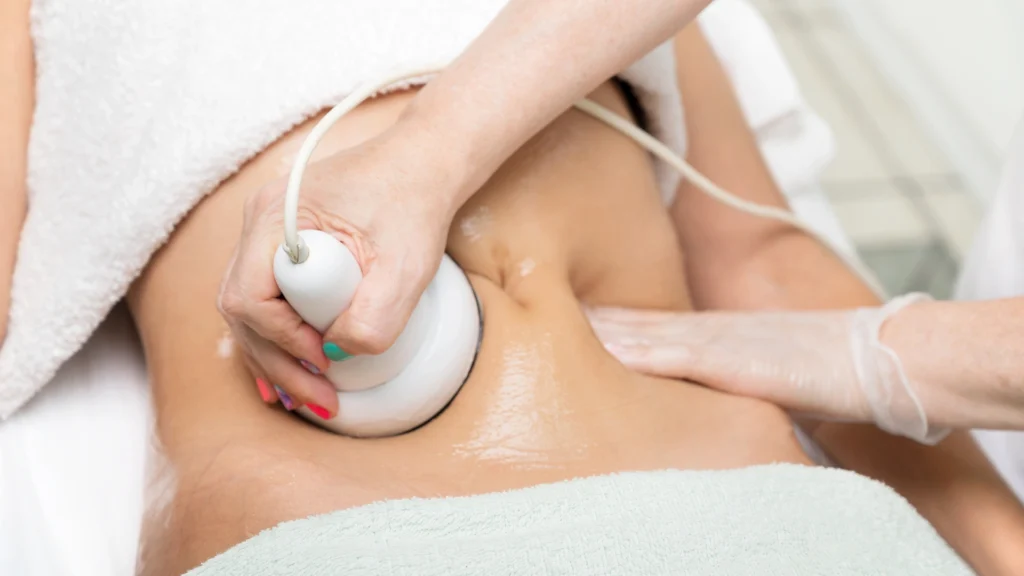
After treatment, the body gradually clears the affected fat-cell material.
This is a gradual process rather than an instant change.
Step 4: Changes Develop Over Time
As these natural processes continue, changes in the treated area may become noticeable over time.
The timing and degree of change can vary based on the treatment method, number of sessions, and individual response.
Types of Ultrasound Lipolysis
Ultrasound-based fat reduction can use non-invasive or surgical methods. Here are the main options:
Non-Invasive Ultrasound Lipolysis
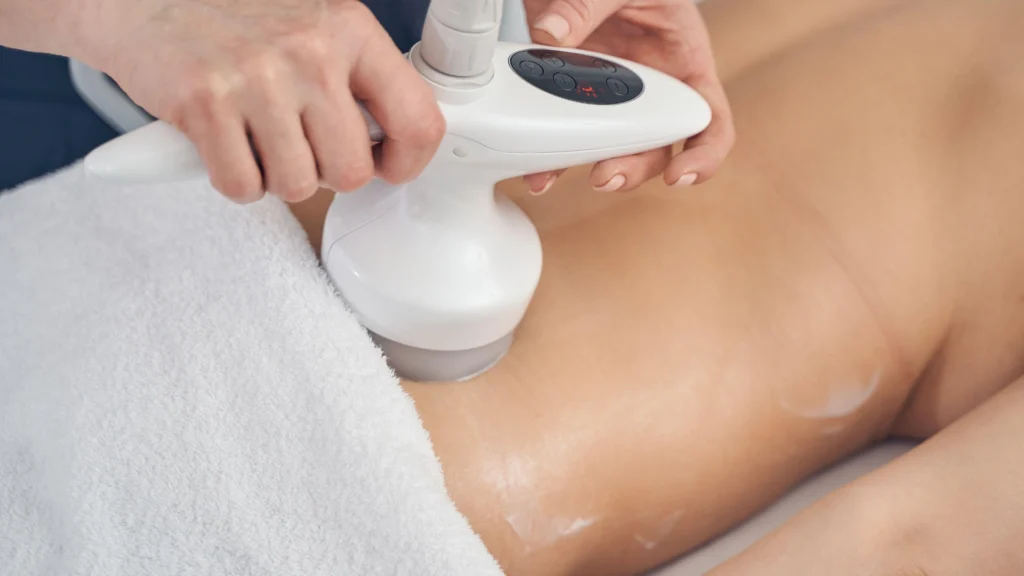
Non-invasive methods use ultrasound energy through the skin. The depth, energy level, and effect depend on the device.
→ Pulsed or focused ultrasound: Some devices deliver ultrasound in short pulses. Others focus energy at a selected depth beneath the skin.
→ High-Intensity Focused Ultrasound (HIFU): HIFU directs ultrasound energy to a specific depth. Some HIFU devices are designed to target fat for body contouring.
Invasive Ultrasound Lipolysis
This option uses ultrasound energy during a surgical fat-removal procedure. Ultrasound-assisted liposuction (UAL) is the main example.
→ Ultrasound-Assisted Liposuction (UAL): UAL uses ultrasound energy to help break up fat before a surgeon removes it with suction.
Unlike non-invasive treatment, UAL requires an incision and a cannula. It is a surgical procedure and involves recovery.
What Areas Can Ultrasound Lipolysis Treat?
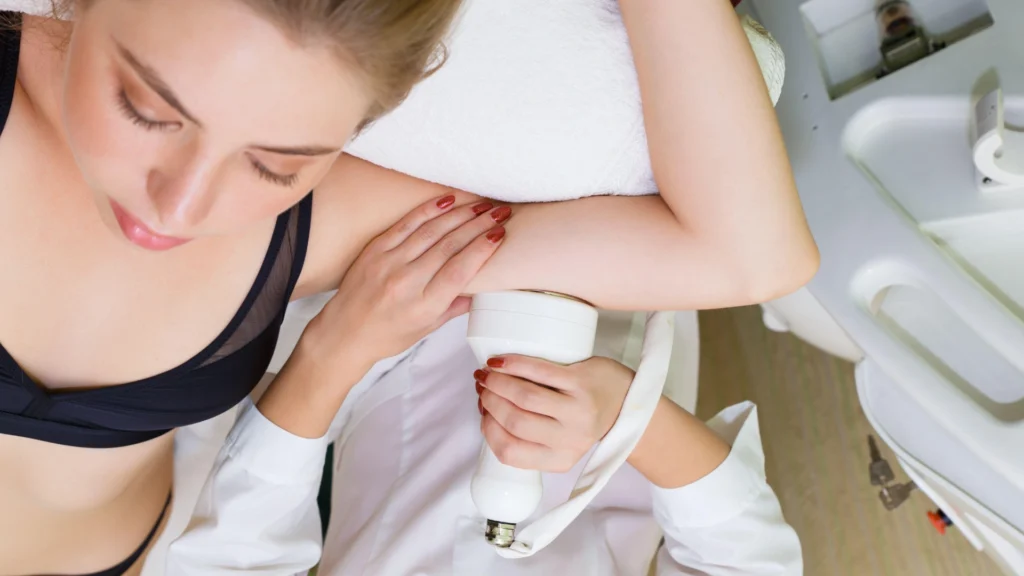
Ultrasound lipolysis may be used on areas such as:
- Abdomen
- Flanks or love handles
- Hips
- Thighs
- Buttocks
- Upper arms
Some devices may also be suitable for smaller regions, including the knees, calves, ankles, waist, or area under the chin.
Available treatment areas can vary by device and its intended use.
Who Is a Good Candidate for Ultrasonic Lipolysis?
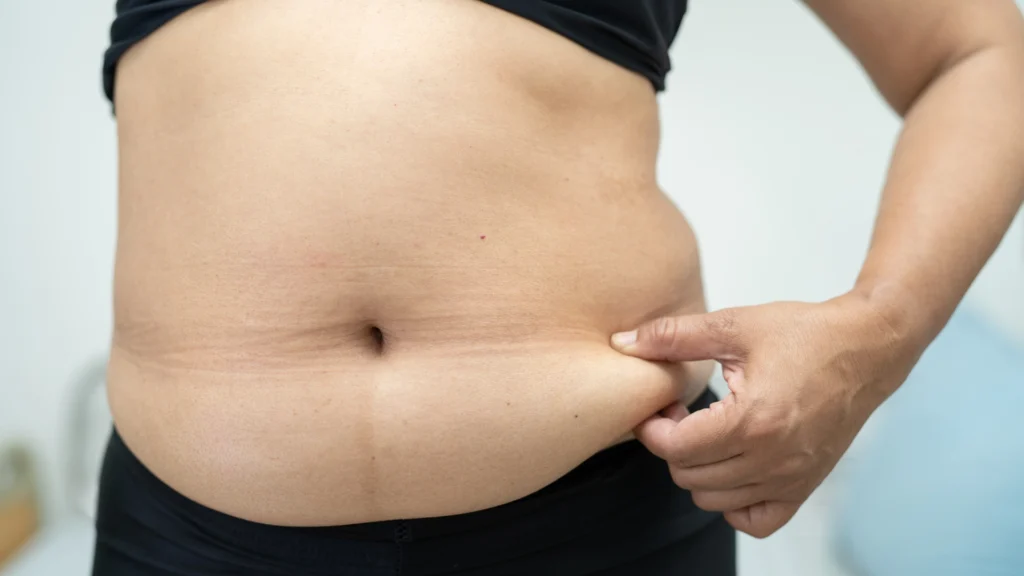
Ultrasonic lipolysis may be an option for adults who want to change a specific area without surgery.
You may be a suitable candidate if:
- You are in generally good health.
- Your weight is relatively stable.
- You have realistic expectations about the possible results.
- You understand what the treatment can and cannot do.
- You are willing to follow the provider’s treatment advice.
A consultation is important before treatment. A qualified provider can review your needs, discuss the treatment, and determine whether it is suitable for you.
How to Prepare for Ultrasound Lipolysis
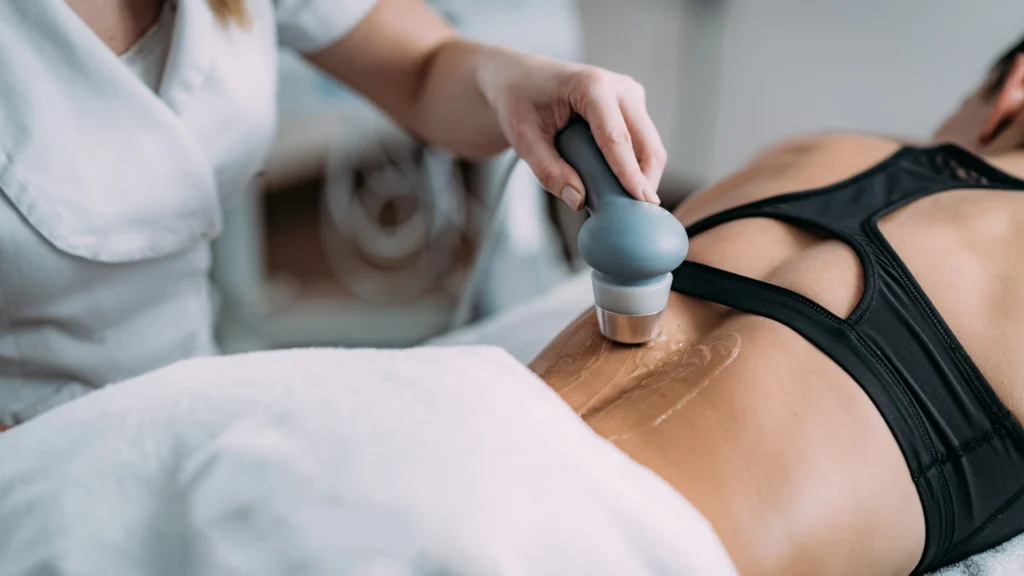
Before your session, have a consultation to discuss the area you want to treat. Share any medicines, supplements, or health conditions with the treatment team. This information helps them check if you need any precautions or changes before treatment.
You may receive specific instructions about water intake, food, drinks, caffeine, alcohol, or medicines. Follow those directions carefully. Never stop taking prescribed medicine unless your healthcare provider tells you to.
What Happens During an Ultrasound Lipolysis Session?
It is normal to wonder what your visit will feel like. The process is simple and needs little preparation.
During the Procedure
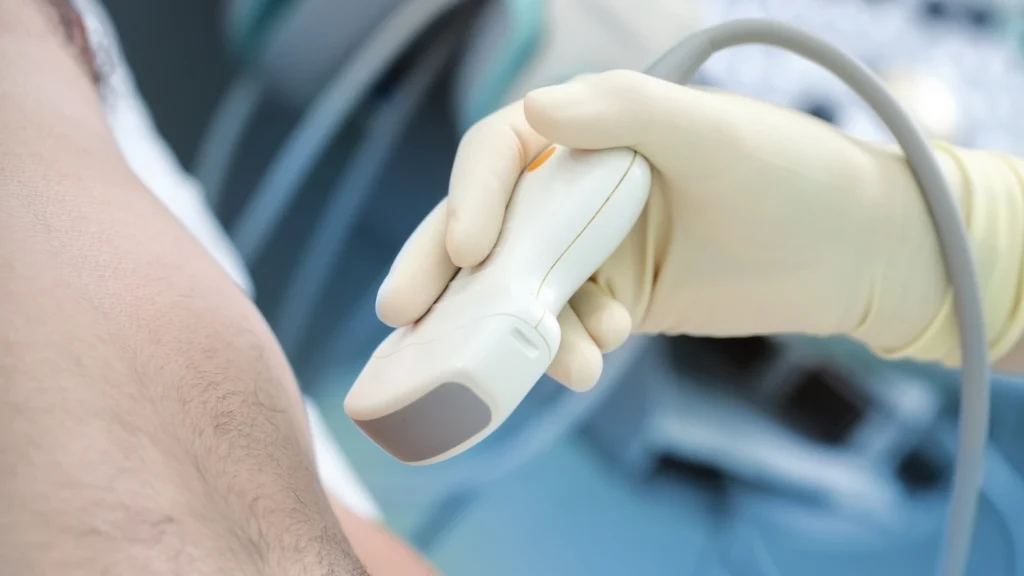
You sit or lie in a comfortable position. The skin gets cleaned before the session starts.
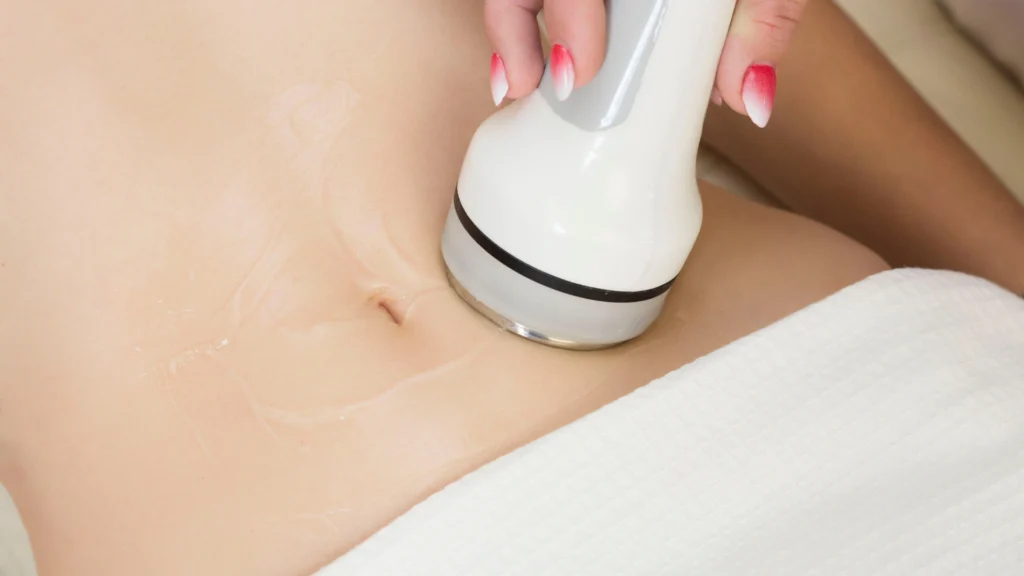
A cool gel may go on the skin. It helps the device move across the area with ease.
The device then moves over the skin. You may hear a soft buzzing sound or feel gentle pressure and warmth.
A session may take around 30 to 60 minutes. The time can vary based on the area being treated.
Immediately After Treatment
Once the session ends, you can get dressed and leave the clinic.
Some people may notice mild warmth, redness, or tenderness in the treated area. These temporary effects can vary from person to person and may depend on the treatment.
Benefits and Limitations of Ultrasound Lipolysis
Ultrasound lipolysis may offer some benefits, but it also has limits.
Benefits
Some potential benefits include:
- No needles or surgical incisions
- Some methods may require little to no downtime
- Sessions may take around 30 to 60 minutes
- Can fit into a busy routine
Limitations
Ultrasound lipolysis has some limits. The amount of change can differ from person to person.
- Changes may take time to appear.
- Several sessions may be needed.
- It is not designed for major weight loss.
- The amount of change can differ between people.
- It may not suit everyone.
Knowing these limits can help you set clear expectations before treatment.
Ultrasound Lipolysis Aftercare and Recovery
Non-invasive ultrasound lipolysis usually involves little to no downtime. Many people can return to normal activities soon after treatment.
Your provider may give you specific aftercare instructions based on the device and area treated.
Follow those instructions carefully. If you notice unusual pain, swelling, or skin changes, contact your provider for advice.
Ultrasound Lipolysis vs Other Fat Reduction Treatments
Not all fat reduction treatments work the same way. Each option uses a different method to affect fat. Your needs and the result you want can help guide the choice.
| Treatment | Main method | Key difference |
| Ultrasound lipolysis | Ultrasound energy | Targets localized fat |
| Cryolipolysis | Controlled cooling | Uses cold to affect fat cells |
| Laser lipolysis | Laser energy | Uses laser energy to affect fat tissue |
| Liposuction | Surgical suction | Removes fat through suction |
Ultrasound lipolysis uses sound energy, while other options use cold, heat, or surgery. Each method has its own process and treatment plan. The right choice depends on your needs, health, and the result you want.
Is Ultrasound Lipolysis the Right Fat Reduction Treatment for You?
Ultrasound lipolysis may suit people who want to change a specific area without surgery. It can be an option when diet and regular activity have not changed that area as much as hoped.
Before choosing treatment, think about what you want to improve. A consultation can help you understand your options and set realistic expectations.

If you are considering ultrasound lipolysis in Toronto, a consultation can help you understand which treatment may suit your needs. The Beauty Lounge Toronto can assess the area and discuss your options.
Book your consultation and discuss ultrasound lipolysis with a qualified professional.
FAQs
Ultrasound lipolysis usually does not hurt. You may feel warmth, light pressure, or soft buzzing during the session. Mild discomfort can vary from person to person. The treatment should feel manageable. If you feel pain, tell the treatment provider so they can assess it.
Ultrasonic lipolysis may cause mild redness, warmth, tenderness, or swelling. These effects are usually temporary, but the duration can vary by treatment and device. Skin changes may occur after treatment. If you notice severe pain, significant swelling, or unusual skin changes, seek medical advice for assessment by a medical professional.
No. Ultrasonic lipolysis is not a permanent weight-loss treatment. It is designed to target localized areas of fat, not reduce overall body weight. Body weight can affect the treated area over time. Healthy eating and regular activity may help maintain the changes.
There is no fixed number of sessions for everyone. Some people may need several sessions before they notice a change. The number can depend on the treatment area, ultrasound method, device, and body response. Some people may notice changes sooner. Others may need more time to see a difference.
Ultrasonic lipolysis mainly targets fat beneath the skin. It is not primarily a skin-tightening treatment. Some ultrasound devices may also affect nearby tissue, but results depend on the device and its settings. For major loose skin, fat reduction alone may not give the desired look.