
Imagine having a storage room filled with everything you need.
The supplies are already there, but the door is locked.
Until someone unlocks it, nothing inside can be used.
Your body works in a similar way.
It stores fat as a backup source of fuel, but it can only be used when the right hormone signals are present.
This leads many people to ask an important question: does growth hormone increase lipolysis?
If you’ve been searching for answers, you’ve probably come across conflicting information. Some articles discuss HGH lipolysis, while others focus on hormones or enzymes without clearly explaining how they fit together.
The good news is that the connection between growth hormone and lipolysis is easier to understand than it may seem. Once you know the basics, the entire process becomes much clearer.
In this guide, you’ll learn whether growth hormone promotes lipolysis, how HGH supports normal fat metabolism, what happens inside fat cells, and the everyday factors that influence this natural process.
What Is HGH (Human Growth Hormone)?
Human growth hormone (HGH) is a natural hormone made by the pituitary gland, a small gland located in the brain. It helps the body grow, repair tissues, build muscle, and support healthy body functions.
Your body releases HGH in pulses, especially during sleep, exercise, and periods of physical stress. These natural releases help maintain normal growth and repair processes throughout life.
HGH also plays a role in how the body uses energy. It helps regulate fat breakdown, protein building, and the way your body manages nutrients.
As you get older, HGH levels naturally decrease. This is a normal part of aging and does not mean the body stops producing this important hormone.
What Is Lipolysis?
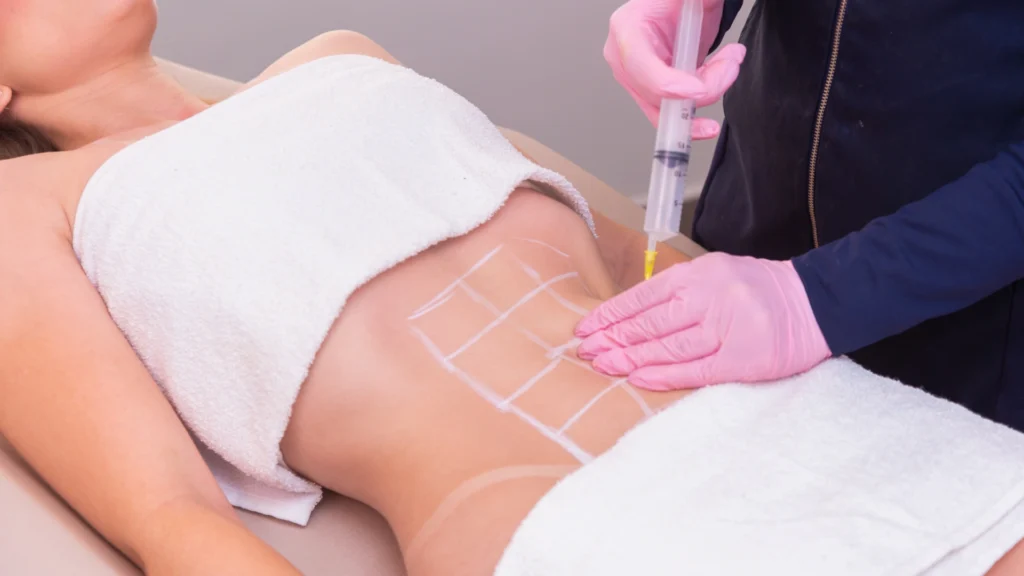
Lipolysis is the natural process of breaking down fat stored inside fat cells.
A simple way to picture it is to think of fat cells as storage containers. When your body needs more energy, signals help release some of these stored fat reserves.
During lipolysis, triglycerides (fat cells) are broken down into free fatty acids and glycerol. These components can enter the bloodstream and be used by tissues as an energy source.
Several factors can affect lipolysis, including exercise, fasting, nutrition, and hormones. Hormones like growth hormone, adrenaline, and glucagon help regulate when the body releases stored fat for energy.
Does Growth Hormone Increase Lipolysis?
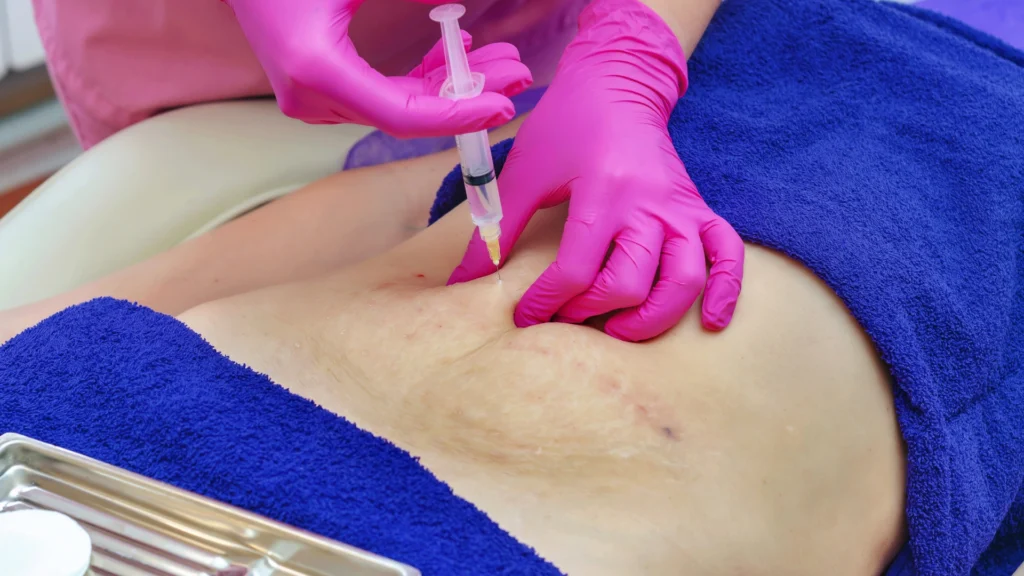
Yes, growth hormone can support lipolysis by influencing the signals involved in releasing fatty acids from fat cells when the body requires additional energy.
However, HGH is not a direct fat-burning hormone. It supports the biological signals involved in lipolysis rather than working independently.
The relationship between growth hormone and lipolysis involves hormone signals, enzyme activity, and other metabolic factors that influence how fat cells respond.
The effects of HGH lipolysis can vary based on factors like exercise, sleep, nutrition, and individual hormone levels.
This means growth hormone can support fat breakdown, but its role is only one part of the body’s larger system for managing energy.
Why Growth Hormone Promotes Fat Breakdown

The body constantly adjusts how it uses nutrients throughout the day. At certain times, it stores excess fuel, while at others it makes those reserves available to meet changing demands.
This is where the relationship between growth hormone and lipolysis becomes important. Growth hormone (HGH) helps regulate normal metabolic function by supporting the hormonal signals involved in fuel availability.
Rather than acting as a direct fat-burning hormone, it helps maintain the conditions that allow lipolysis to occur when appropriate.
Growth hormone is associated with:
- Normal metabolic function
- Healthy hormone regulation
- Efficient nutrient use
- Balanced fuel management
Its role extends beyond fat metabolism. HGH also supports growth, tissue repair, and several other biological functions, making it an important part of the body’s overall metabolic system.
How Does HGH Affect Lipolysis?
Growth hormone affects lipolysis by supporting the hormonal signals and cellular pathways that regulate fat cell activity. Instead of controlling this process on its own, HGH works alongside other hormones and enzymes that help coordinate normal lipolytic activity.
These changes involve several biological steps that explain how growth hormone and lipolysis are connected.
The following pathways explain how HGH supports lipolysis at the cellular level:
The GH–IGF-1 Axis Supports Fat Metabolism
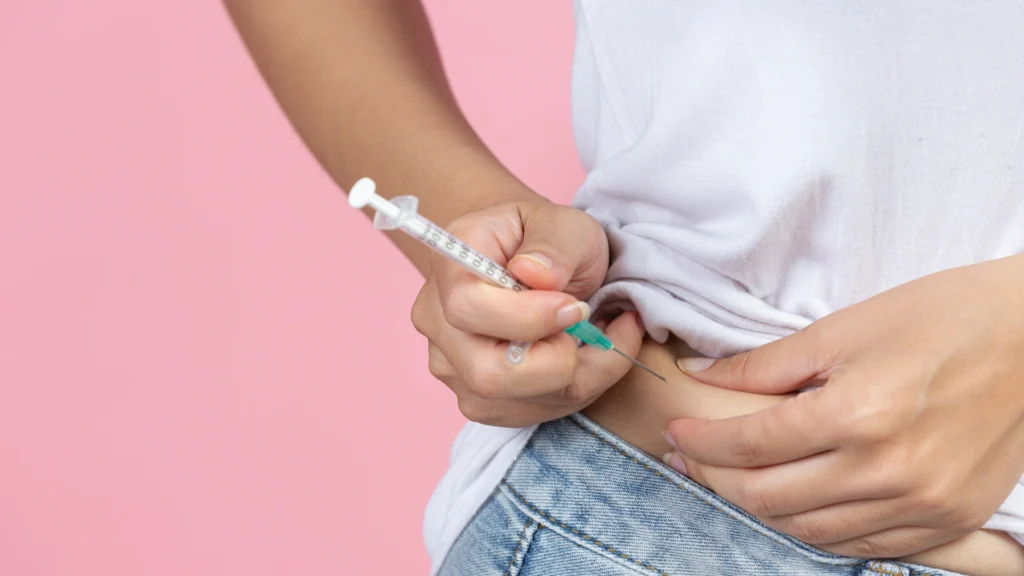
After being released into the bloodstream, growth hormone communicates through the GH–IGF-1 axis. This signaling pathway coordinates communication between different tissues and helps regulate several metabolic functions.
This pathway helps:
- Transmit hormonal signals
- Coordinate communication between cells
- Support normal metabolic activity
These coordinated signals are one reason HGH lipolysis depends on multiple biological pathways rather than a single mechanism.
Growth Hormone Interacts With Insulin During Fat Regulation
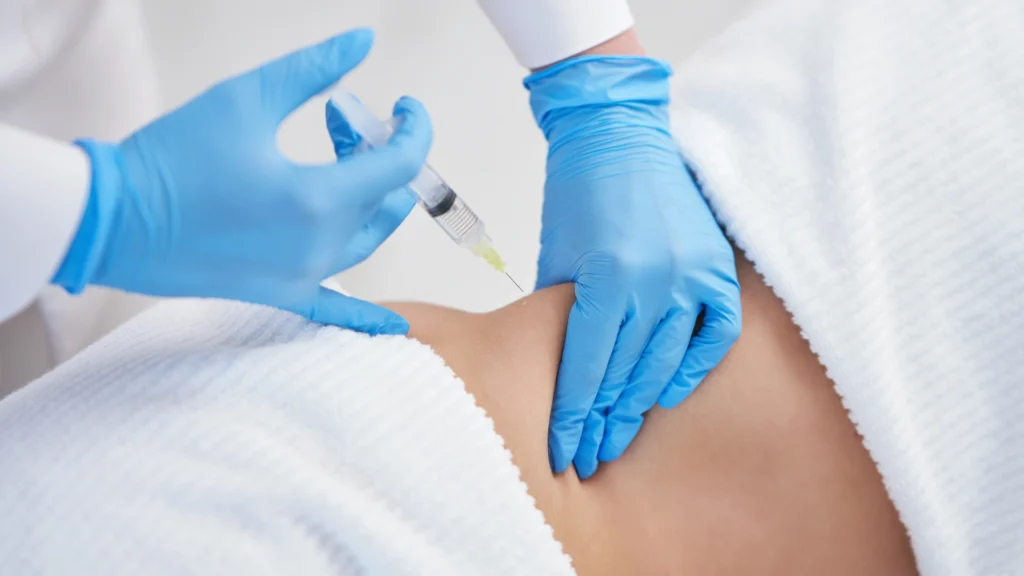
Growth hormone and insulin perform different roles within metabolism. Insulin mainly supports nutrient storage after meals, while HGH becomes more active during periods when additional fuel is required.
A simple way to understand this relationship:
After eating → Insulin activity increases → Nutrient storage is prioritized
Between meals or during exercise → HGH activity increases → Lipolysis signals become more active
This balance helps the body adapt to changing metabolic demands.
Growth Hormone Increases cAMP Signaling

One of the key messengers involved in lipolysis is cyclic adenosine monophosphate (cAMP). It carries signals inside fat cells that help regulate the enzymes responsible for this process.
Growth hormone supports pathways that influence cAMP activity, helping regulate lipolysis.
Growth Hormone Activates Hormone-Sensitive Lipase
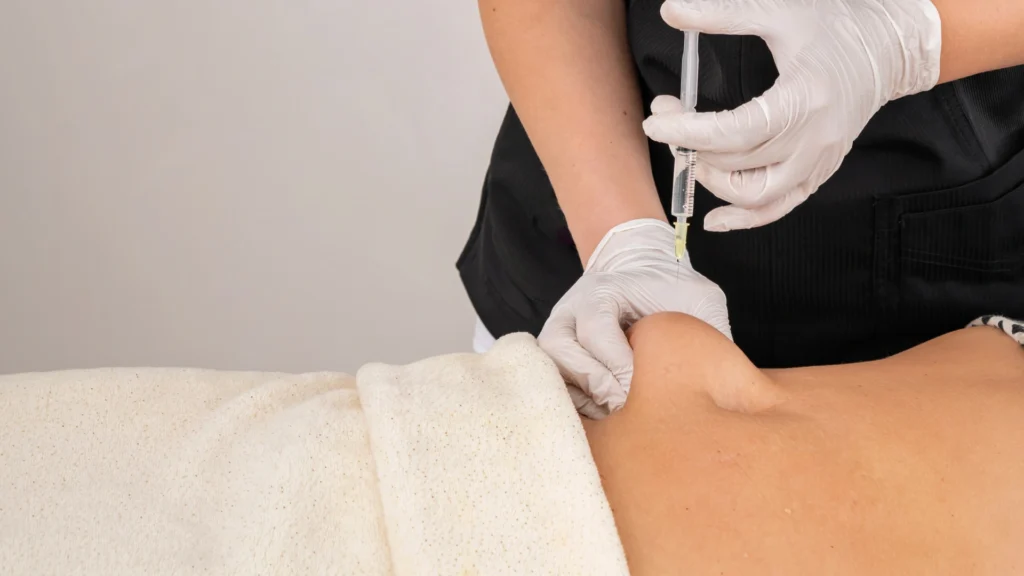
Hormone-sensitive lipase (HSL) is one of the primary lipolysis enzymes involved in breaking down triglycerides stored inside fat cells.
Growth hormone supports the pathways that regulate HSL activity, allowing this enzyme to perform its role during lipolysis.
Fat Cells Release Free Fatty Acids for Energy
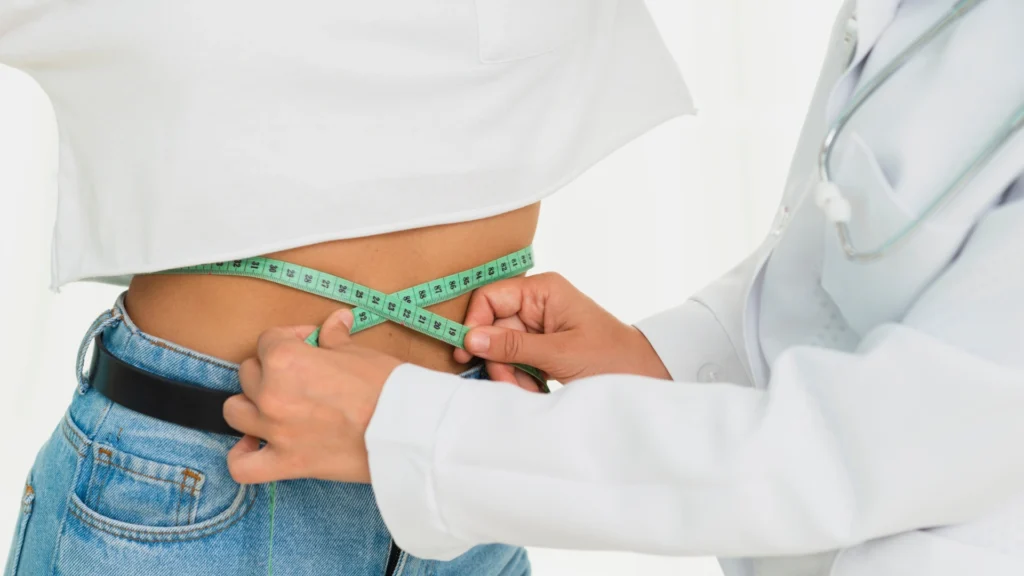
As lipolysis continues, free fatty acids leave fat cells and enter the bloodstream, where they can be used by muscles and other tissues when needed.
Together, these coordinated pathways explain how HGH affects lipolysis. Rather than working independently, growth hormone supports a larger network of hormones, enzymes, and signaling systems involved in normal fat metabolism.
Factors That Influence HGH Lipolysis
Have you ever wondered why two people can follow a similar routine but see different results?
The answer isn’t always exercise or diet.
HGH lipolysis is influenced by several everyday factors. Some create better conditions for fat breakdown, while others can slow the process. Understanding these differences helps explain why lipolysis does not work exactly the same way for everyone.
How Insulin Blunts Growth Hormone Lipolysis
Growth hormone and insulin are constantly working to keep the body in balance, but they are active at different times.
After a meal, insulin becomes the dominant hormone. Its main job is to help move glucose into cells and encourage energy storage. During this period, lipolysis becomes less active because another fuel source is already available.
As insulin levels gradually fall, growth hormone has a greater opportunity to influence fat breakdown. This is why researchers often say that insulin blunts growth hormone lipolysis. The process is not switched off, but its activity becomes lower while insulin remains elevated.
Lifestyle Factors That Affect HGH Lipolysis
Daily habits can make a noticeable difference in how efficiently HGH supports lipolysis. Small choices made every day often have a greater impact than people realize.
Exercise
Regular movement naturally encourages growth hormone release. It also increases energy demand, creating conditions where fatty acids are more likely to be used instead of remaining in fat cells.
Fasting
Going for several hours without eating changes the body’s hormonal environment. As insulin falls, growth hormone becomes more active, helping maintain normal lipolysis until food is available again.
Sleep
Deep sleep is when the largest amount of natural growth hormone is released. Consistently missing quality sleep may reduce this response, making normal metabolic functions less efficient over time.
Healthy routines create a strong foundation, but personal characteristics also influence how efficiently this process works over time.
Individual Factors That Influence HGH Lipolysis
Even with healthy habits, every person responds differently. Natural differences can influence how efficiently HGH supports lipolysis throughout life.
Age
Growth hormone production gradually declines with age. Because of this, the lipolysis response may become less noticeable compared with younger years.
Body Fat Percentage
Higher levels of body fat can influence the way hormones communicate with fat tissue. This may reduce how efficiently lipolysis responds, even though the process itself continues to work.
Hormonal Balance
Growth hormone is only one part of a much larger hormonal network. Insulin, cortisol, and thyroid hormones all influence lipolysis by helping regulate normal metabolic function. When these hormones remain in balance, lipolysis can function more effectively.
Understanding these differences helps explain why results can vary, even when people follow similar habits and routines.
What Happens After Growth Hormone Stimulates Lipolysis?
Once lipolysis has been activated, the next outcome is not the same for everyone.
From this point, the body decides how these components are used based on its current condition. This is the stage that separates normal lipolysis from lasting fat loss.
How the Body Uses Released Fatty Acids
Once free fatty acids enter the bloodstream, they do not all follow the same path. Their next destination depends on the body’s current energy needs. If tissues require fuel, they can use these fatty acids as an energy source. If immediate fuel is not needed, they may remain available for later use.
How Released Fatty Acids Move Through the Body
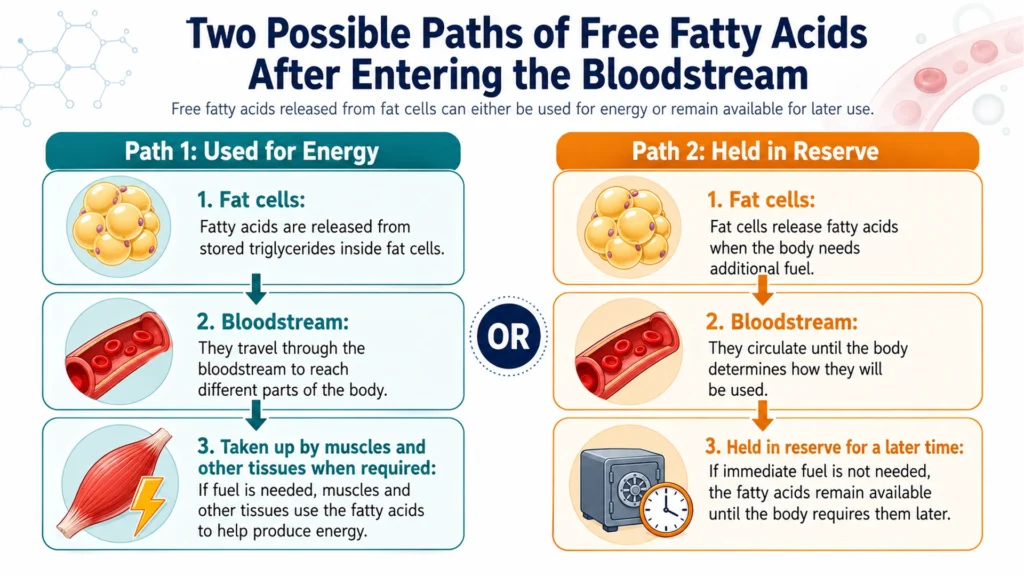
The illustration below shows the two possible paths free fatty acids can take after entering the bloodstream.
Fat cells: Fatty acids are released from stored triglycerides inside fat cells.
↓
Bloodstream: They travel through the bloodstream to reach different parts of the body.
↓
Taken up by muscles and other tissues when required: If fuel is needed, muscles and other tissues use the fatty acids to help produce energy.
or
Fat cells: Fat cells release fatty acids when the body needs additional fuel.
↓
Bloodstream: They circulate until the body determines how they will be used.
↓
Held in reserve for a later time: If immediate fuel is not needed, the fatty acids remain available until the body requires them later.
The exact outcome depends on factors such as activity level, nutrition, and the body’s current metabolic state.
Does Lipolysis Always Lead to Fat Loss?
No.
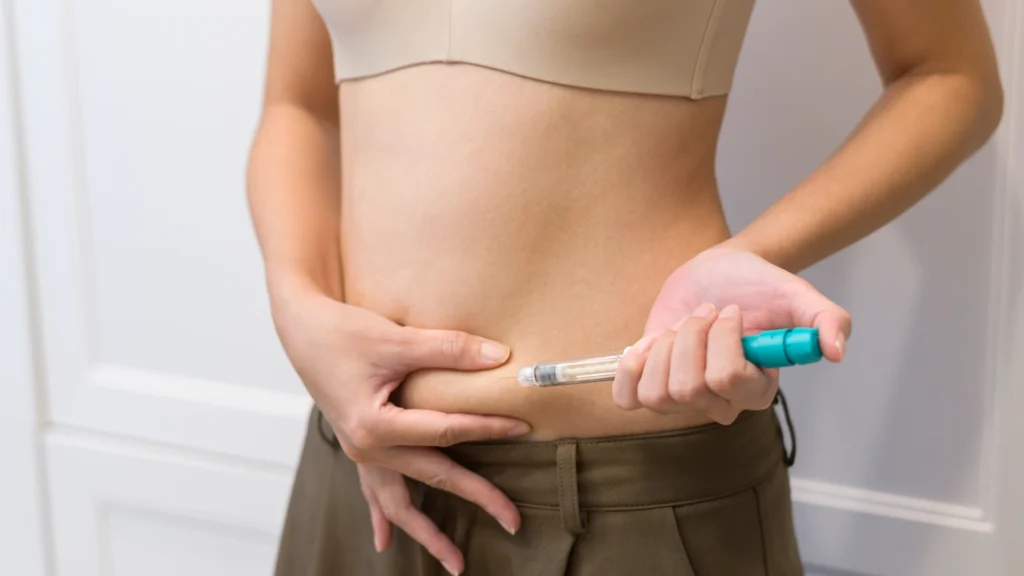
Lipolysis is the release of stored fat, while fat loss is a gradual reduction in total body fat. Although the two are connected, they are not interchangeable.
This means that although growth hormones can increase lipolysis and support fat breakdown, long-term fat loss still depends on overall energy balance.
How Growth Hormone Compares With Other Hormones That Affect Lipolysis
Not every hormone affects lipolysis in the same way. Some encourage fat breakdown, while others help slow or regulate the process under different conditions.
Comparing their individual roles makes it easier to understand why each hormone contributes differently to normal fat regulation.
What Hormones Control Lipolysis?

Lipolysis is regulated by several hormones, with each performing a different role.
The main hormones are:
- Growth hormone (HGH)
- Adrenaline (Epinephrine)
- Noradrenaline (Norepinephrine)
- Glucagon
- Thyroid hormones (T3 and T4)
Rather than relying on a single hormone, lipolysis is controlled through the combined action of these hormonal signals.
What Hormone Inhibits Lipolysis?
Some hormones reduce lipolysis when fat breakdown is not the body’s immediate priority.
The main examples include:
- Insulin: Slows fat release after eating.
- Adenosine: Helps keep fat mobilization lower during rest.
- Prostaglandin E2: Can decrease fat breakdown in certain tissues.
Together, these hormones help maintain a healthy balance between storing and using fuel.
Growth Hormone vs Thyroid Hormone in Fat Breakdown
Although both hormones influence fat regulation, they contribute in different ways.
| Feature | Growth Hormone (HGH) | Thyroid Hormones (T3 & T4) |
| Main responsibility | Supports fat mobilization | Regulates metabolic rate |
| Primary target | Fat tissue | Cells throughout the body |
| Overall effect | Helps make stored fuel available | Helps determine how efficiently calories are used |
| Release pattern | Released in pulses throughout the day | More stable circulation levels |
Each hormone has a separate role, and together they support normal metabolic function.
Ready to Put Growth Hormone and Lipolysis Knowledge into Action?
Your body has a natural way of managing energy, and understanding HGH lipolysis helps explain why fat breakdown is a complex process. It does not depend on one single factor. Hormones, lifestyle habits, and overall health all work together to influence how your body uses energy.
Growth hormone and lipolysis are connected, but the way your body responds can vary from person to person. Because metabolism and wellness goals are different for everyone, having personalized guidance can help you better understand your options and create realistic expectations.

Understanding hormone-related changes can be complex. At The Beauty Lounge Toronto, consultations are designed to help you better understand your wellness goals and explore options suited to your individual needs.
If you are ready to learn more about your options, book your consultation today and take the next step with expert guidance.
FAQs
HGH lipolysis may support the breakdown and release of stored fat, but it does not specifically target belly fat or any single area of the body. Fat loss occurs throughout the body and depends on several factors, including hormones, nutrition, activity level, and overall energy balance.
Yes, growth hormone levels naturally change as you get older. This can influence how strongly HGH supports lipolysis. However, lifestyle factors like regular movement, quality sleep, and balanced nutrition can still play an important role in maintaining healthy hormone function.
Yes, poor sleep can reduce natural HGH activity by limiting growth hormone release during deep sleep. Since quality rest supports normal hormone patterns, inconsistent sleep may affect how efficiently the body manages energy. Improving sleep habits can help support healthier hormone function and overall wellness.
Yes, insulin resistance can affect HGH lipolysis by changing how the body responds to hormones. When insulin levels remain elevated, fat release may become less efficient. Supporting metabolic health through balanced nutrition, regular movement, and healthy routines can help maintain better hormone function over time.
The timing varies from person to person because HGH activity depends on factors like sleep, exercise, nutrition, and overall health. Growth hormone does not create immediate changes. Its effects happen gradually as part of the body’s natural processes over time.
Yes, exercise can naturally support HGH release, especially resistance training and high-intensity workouts. However, the response differs for everyone. Consistent exercise, proper recovery, and balanced nutrition work together to support healthy hormone activity and overall fat management.