
What Is Laser Lipolysis? Guide to Treatment & Safety
Picture an ice cube stuck in a tray.
You could pry it out with a fork and crack the tray in the process. Or you could run warm water over it and watch it slide free on its own.
Laser lipolysis works like warm water. It melts stubborn fat with heat instead of force. Your body clears the rest on its own, over the next few weeks.
For years, getting rid of fat meant surgery, needles, and days of bruising. Laser lipolysis takes a softer path. It uses light energy to break down fat cells, tighten the skin above them, and get you back to your day the same week.
If you have ever wondered what laser lipolysis is and whether it actually works, you are in the right place.
What Is Laser Lipolysis?
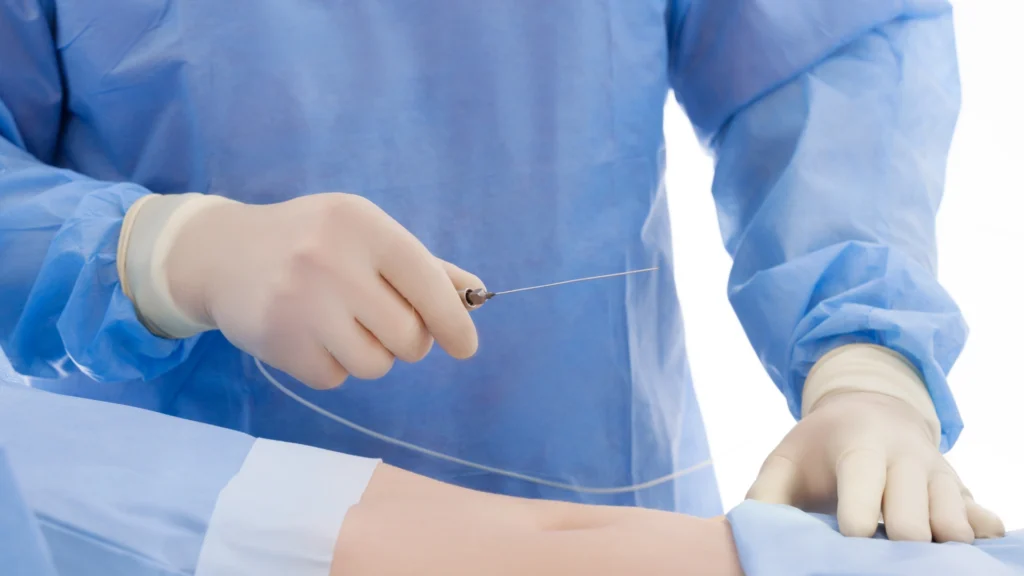
Laser lipolysis breaks down fat cells using laser energy, delivered through a thin fiber right under your skin. The heat liquifies the fat so your body can flush it out naturally, usually over the following weeks.
It’s a different approach than traditional liposuction. No large incision, no suction device forcing fat out. Think of the ice cube again: laser lipolysis is the warm water, not the fork.
You might also hear it called laser-assisted lipolysis, or SmartLipo, named after one of the more common devices on the market. Different name, same concept: light melts the fat instead of a blade cutting it out.
How Does Laser Lipolysis Work?
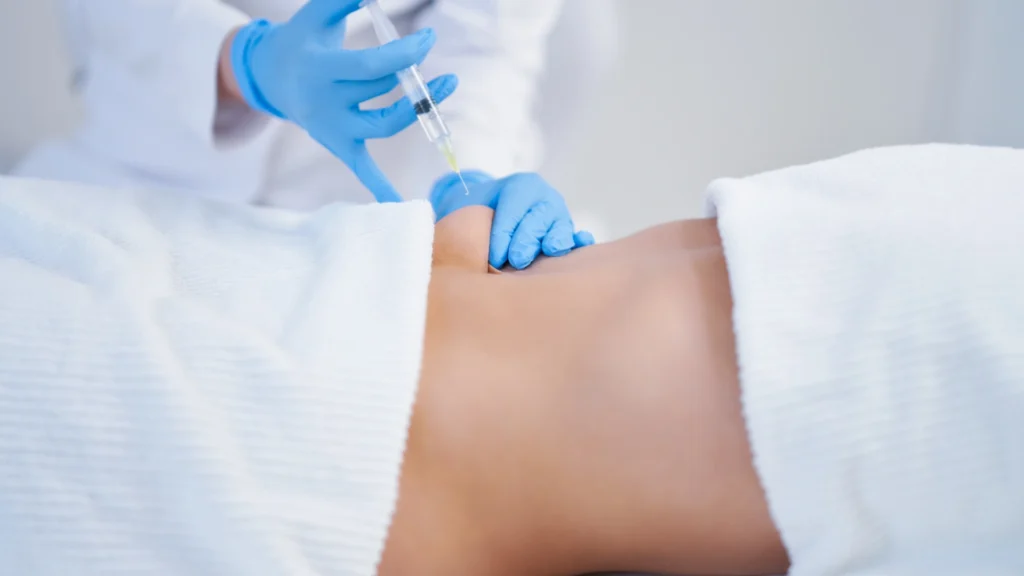
The treatment follows a simple process, though most patients never see the details unless they ask. Here’s what actually happens under the skin.
- Your provider inserts a small tube, called a cannula, just under the skin in the treatment area. A thin laser fiber runs through it.
- Once the fiber is in place, it sends laser energy straight into the fat layer, breaking down the cell walls. Solid fat turns to liquid, and your body takes it from there.
- The same heat reaches the deeper skin layer and kickstarts collagen production. This tightens and firms the skin as the fat clears out.
- Most people stay awake through the procedure since it only needs local anesthesia. A single treatment area usually wraps up in under an hour.
The entire process is designed to work with your body, not against it, so results build gradually as your body clears out the treated fat over the following weeks.
Areas Treated By Laser Lipolysis
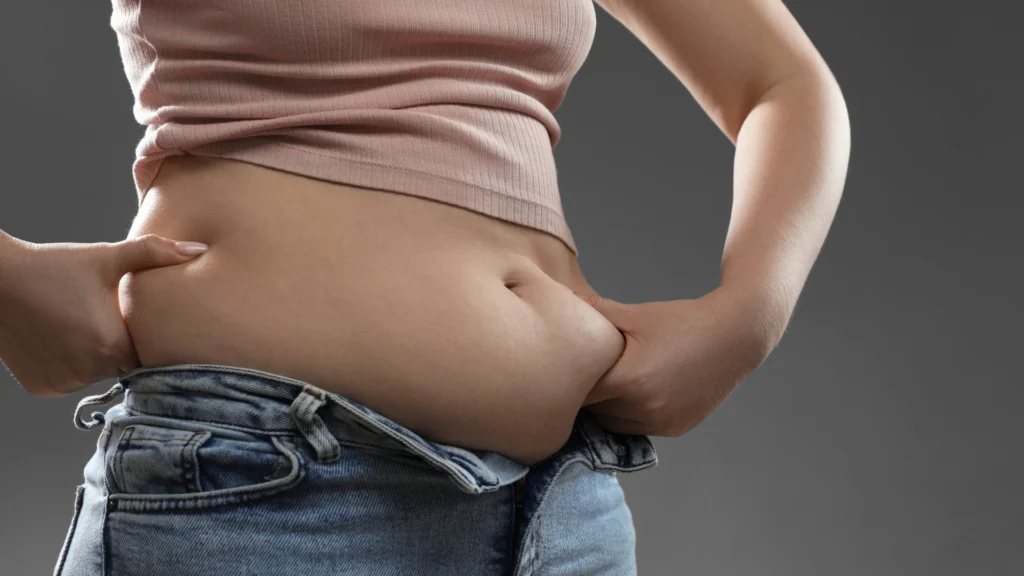
Laser lipolysis works best on smaller, stubborn pockets of fat, the kind that don’t budge no matter how much you diet or exercise. It’s precise enough to target specific spots without disturbing the surrounding tissue.
Common areas include:
- Chin and jawline: Smooths out a double chin and sharpens facial contours.
- Abdomen: Targets belly fat and tightens loose skin around the midsection.
- Flanks and love handles: Trim the sides for a more even waistline.
- Thighs: Reduce fat on the inner and outer thighs.
- Arms: Firms up the upper arms, a spot that’s tough to tone with exercise alone.
- Back: Smooths bra-line bulges and upper back fat.
Your provider will look at your goals and your body during the consultation to map out which areas make sense for you. Some people treat one spot; others combine a few in the same session.
What Happens During a Laser Lipolysis Treatment?

Walking into your first session can feel like a mystery if you don’t know what to expect.
Will it hurt?
How long does it take?
What actually happens once you’re on the table?
Knowing the steps ahead of time takes the guesswork out of it, so you can walk in relaxed instead of anxious.
Here’s how the process actually unfolds, step by step.
Consultation and Treatment Planning
You’ll sit down with your provider first. You’ll talk about your goals. They’ll check the treatment area and your skin. They’ll confirm you’re a good fit for the treatment.
Together, you’ll build a plan.
You’ll pick the areas to treat. You’ll talk about how many sessions you need. You’ll set goals that make sense for your body.
Preparing the Treatment Area
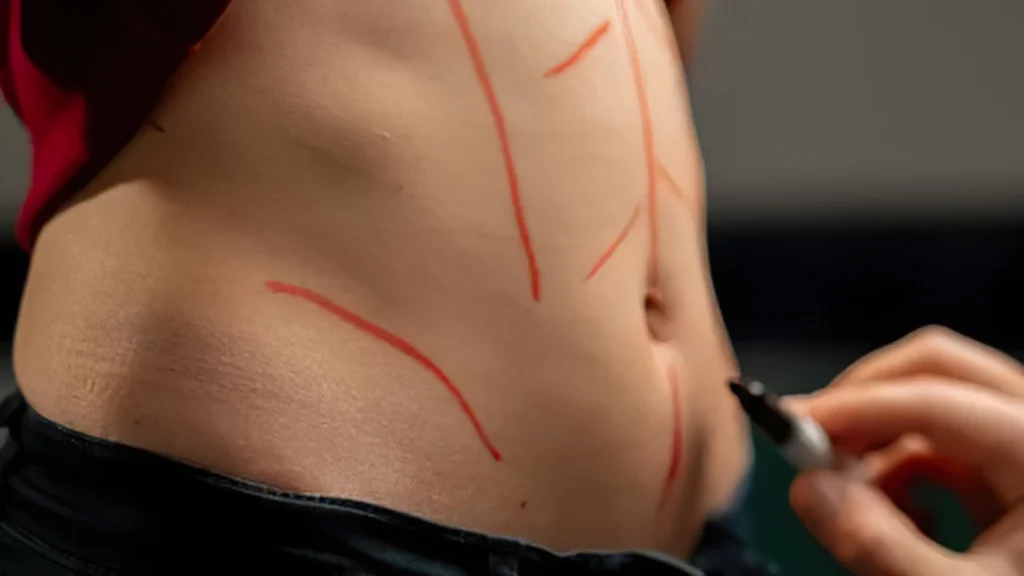
On treatment day, your provider cleans the area and marks the spots for the cannula. A local anesthetic numbs the skin, so you shouldn’t feel more than mild pressure once things get started.
Some providers also inject a saline solution into the fat layer first. This helps protect surrounding tissue and makes the fat easier to target.
Applying Laser Energy
Once you’re numb, the provider inserts the cannula. They guide the laser fiber through the area. They move it in a steady pattern. This spreads the energy evenly across the fat.
You may feel warmth. You may feel a slight tugging. You should not feel sharp pain. Your provider watches the heat levels closely the whole time.
After the Treatment
Once the laser work is done, your provider may drain any liquefied fat through a small opening, though your body absorbs most of it naturally. You’ll get a compression garment to wear, which helps with swelling and supports your skin as it heals.
Most people head home the same day and get back to normal activities within a day or two.
What Are the Benefits of Laser Lipolysis?
Most people think of laser lipolysis as a fat removal tool. It does that job well. But the same heat that melts fat also works on your skin, and the downtime is shorter than older methods.
Here’s a closer look at what you actually gain from the treatment.
Targeted Fat Reduction
The laser fiber only affects the fat cells it touches directly.
Your provider guides it through specific pockets, like the chin, flanks, or inner thighs, while everything around stays untouched.
This precision makes laser lipolysis useful for spot treatment, not overall weight loss. A treated fat cell breaks down and leaves the body for good. It doesn’t come back the way it would after simple weight gain.
That’s why most people pair it with diet and exercise instead of using it as a shortcut.
Skin Tightening
Fat removal alone can leave skin loose, especially in areas that had stretched to hold that fat. Laser lipolysis avoids this by heating the deeper skin layer at the same time it melts fat.
That heat triggers collagen production, and collagen is what keeps skin structured and firm.
Results build over a few months as new collagen forms, so the tightening effect isn’t immediate. Patients with mild to moderate skin laxity tend to see the best results from this part of the treatment.
Minimal Downtime
Traditional liposuction often means days of rest and weeks of swelling.
Laser lipolysis uses a much smaller cannula and skips the aggressive suction, so tissue trauma stays low. Most patients feel some soreness for a day or two, similar to a hard workout, and wear a compression garment during that stretch.
Many return to desk jobs within 24 to 48 hours. Physical activity and exercise usually wait one to two weeks, depending on the treated area and how your body responds.
Does Laser Lipolysis Work for Fat Loss?
Laser lipolysis works, but not the way crash diets or weight loss surgery do. It removes fat cells from a specific area, and those cells don’t grow back. But it doesn’t shrink cells throughout your body or change the number on your scale in any major way.
Think of it as sculpting, not slimming.
It’s built for people close to their goal weight who want to fix stubborn spots that don’t respond to diet or exercise. Someone looking to lose a significant amount of weight won’t get that result here.
The fat cells removed are gone for good. But the remaining fat cells in your body can still expand if you gain weight. Keeping results means keeping a stable weight after treatment, through regular diet and exercise.
Is Laser Lipolysis Safe?
Laser lipolysis has a strong safety record when a licensed, experienced provider performs it. It’s a minimally invasive procedure, and most people tolerate it well with only local anesthesia.
Still, no procedure is completely risk-free. Some patients experience mild bruising, swelling, or numbness in the treated area. These side effects usually fade within a week or two on their own.
Rare complications can include burns, infection, or uneven results, and these usually trace back to provider inexperience or poor aftercare. Choosing a board-certified provider and following aftercare instructions lowers these risks significantly.
Laser lipolysis isn’t right for everyone. Pregnant women, people with certain skin conditions, and those with bleeding disorders should talk to a doctor before considering it. A thorough consultation helps confirm whether you’re a good candidate.
What Is Recovery Like After Laser Lipolysis?
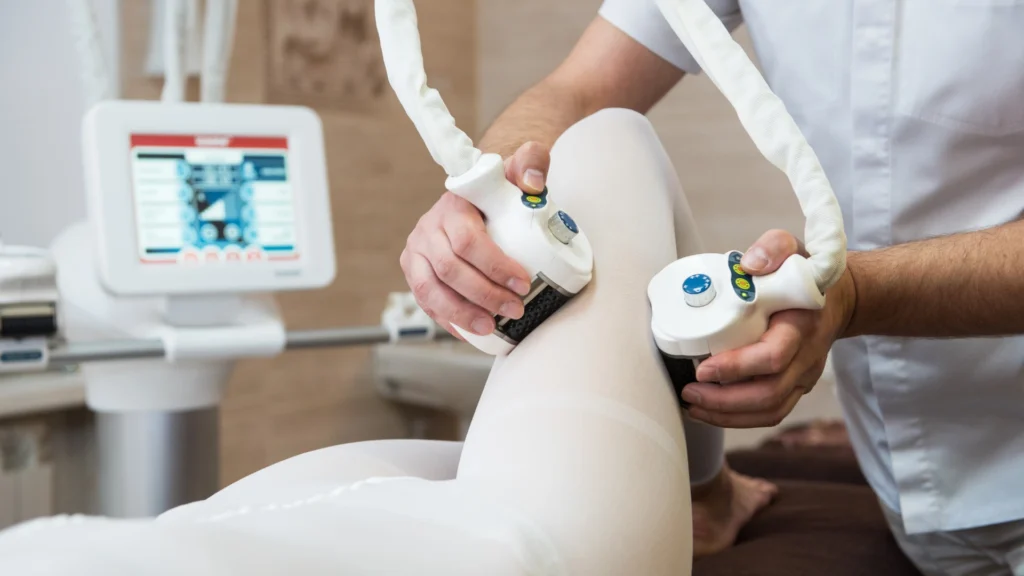
Recovery from laser lipolysis is easier than most people expect. Since the procedure is minimally invasive, your body doesn’t need much time to bounce back.
Recovery Timeline
Healing after laser lipolysis happens in stages, and knowing what to expect at each point helps you plan your week around it.
- Day 1-2: Mild soreness, similar to muscle fatigue after a workout; most people return to desk work in this window
- Week 1: Swelling and bruising peak, then start to fade
- Weeks 1-2: Swelling and bruising continue to resolve steadily.
- Week 1-2: Cleared for exercise and other strenuous activity, depending on the treated area and how your body heals
Everyone heals at their own pace, so your provider will confirm timelines specific to your treatment and your body’s response.
Aftercare Tips
A few simple habits during recovery make a real difference in how smoothly you heal and how long your results last.
- Wear your compression garment as long as your provider recommends; it controls swelling and supports your skin while it heals.
- Stay hydrated, since this helps your body flush out the liquefied fat more efficiently.
- Avoid direct sun on the treated area until any bruising or swelling fully resolves.
- Skip strenuous exercise until your provider clears you, even if you’re feeling back to normal sooner.
- Keep your follow-up appointments, since these let your provider track your healing and catch any issues early.
Sticking to these steps in the first two weeks sets the stage for the results to show clearly once swelling fully settles.
How Long Do Laser Lipolysis Results Last?
A few simple habits during recovery make a real difference in how smoothly you heal and how long your results last.
- Wear your compression garment as long as your provider recommends; it controls swelling and supports your skin while it heals.
- Stay hydrated, since this helps your body flush out the liquefied fat more efficiently.
- Avoid direct sun on the treated area until any bruising or swelling fully resolves.
- Skip strenuous exercise until your provider clears you, even if you’re feeling back to normal sooner.
- Keep your follow-up appointments, since these let your provider track your healing and catch any issues early.
Sticking to these steps in the first two weeks sets the stage for the results to show clearly once swelling fully settles.
Laser Lipolysis vs. Other Fat Reduction Treatments
Laser lipolysis is one option among several for reducing stubborn fat, and each method works differently under the skin. The table below breaks down how it compares to the other common choices.
| Treatment | Downtime | Fat Removal | Skin Tightening |
| Laser lipolysis | 1-2 days | Targeted, moderate | Yes |
| Traditional liposuction | 1-2 weeks | High volume | No |
| CoolSculpting | None | Gradual, moderate | No |
| Radiofrequency | None | None | Yes |
| Diet and exercise | None | Body-wide, variable | No |
No single treatment wins across the board. Traditional liposuction removes the most fat but costs you the most downtime. CoolSculpting and radiofrequency skip downtime entirely but only solve half the problem each, either fat or skin, not both. Laser lipolysis lands in the middle: less downtime than surgery, and it handles fat and skin tightening in the same session.
The right choice depends on how much fat you want removed, how much downtime you can afford, and whether skin tightening matters to you. A consultation with your provider is the best way to figure out which treatment fits your goals.
Is Laser Lipolysis the Right Next Step for You?
Laser lipolysis works well if you’re close to your goal weight and dealing with one or two stubborn areas that won’t respond to diet or exercise. It removes fat and tightens skin in the same session, with far less downtime than surgery. If those points match what you’re looking for, it’s worth a serious look.
It’s not a weight loss solution, and it’s not for everyone. People with certain health conditions, or those hoping for dramatic, all-over fat loss, will find other options serve them better. The only way to know for sure is to talk through your goals and health history with a qualified provider.

At The Beauty Lounge Toronto, our team walks you through every step, from your first consultation to your final results. We’ll assess your treatment areas, answer your questions, and build a plan suited to your body and your goals.
Ready to see if laser lipolysis is right for you? Book a consultation with The Beauty Lounge Toronto today and take the first step toward the results you want.
FAQs
Cost depends on the area treated, the number of sessions, and your provider’s location. Most patients pay a few hundred to a few thousand dollars per session. Bigger areas or multiple sessions raise the price. A consultation gives you an exact quote based on your goals and body.
Many people see results after just one session. Larger areas or more stubborn fat pockets often need two or three sessions. Providers usually space these a few weeks apart to let your body heal. Your provider will recommend a number based on your goals and the treated area.
Most sessions take 30 minutes to an hour. The exact time depends on the size of the treatment area. Treating more than one area in the same visit takes longer. Your provider will give you a clear time estimate during your consultation, based on your specific treatment plan.
Most patients feel warmth or mild pressure during treatment, not sharp pain. Local anesthesia numbs the area beforehand, so discomfort stays low. Some soreness is normal for a day or two afterward, similar to muscle fatigue. Over-the-counter pain relief usually manages any lingering discomfort during early recovery.
Light activity is fine within a few days of treatment. Strenuous exercise usually waits one to two weeks, depending on the treated area. Pushing too hard too soon can increase swelling or slow healing. Your provider will confirm exactly when you’re cleared to resume your normal workout routine.
Yes. The abdomen is one of the most common areas treated with laser lipolysis. It works best on smaller, stubborn pockets of belly fat that haven’t responded to diet or exercise. It’s not a substitute for weight loss, but it can sharpen contours in that area effectively.