
Lipolysis vs Proteolysis: What’s the Difference?
You decide to eat healthier and start exercising more. After a few weeks, you notice your clothes fitting differently, but then you come across a post claiming that dieting can make your body break down muscle instead of fat.
Naturally, you start wondering,
“What’s actually happening inside my body?”
The truth is, your body has more than one way of producing the energy it needs. Sometimes it breaks down stored fat. Other times, it breaks down protein.
Which process becomes more active depends on factors such as your energy needs, hormones, and overall health.
Although lipolysis and proteolysis are both natural metabolic processes, they serve different purposes. Understanding how they work is much simpler than it might seem.
Learn how lipolysis and proteolysis differ, when each process becomes more active, how they can happen at the same time, and why understanding the difference matters for weight loss, exercise, and overall health.
What Is Lipolysis?
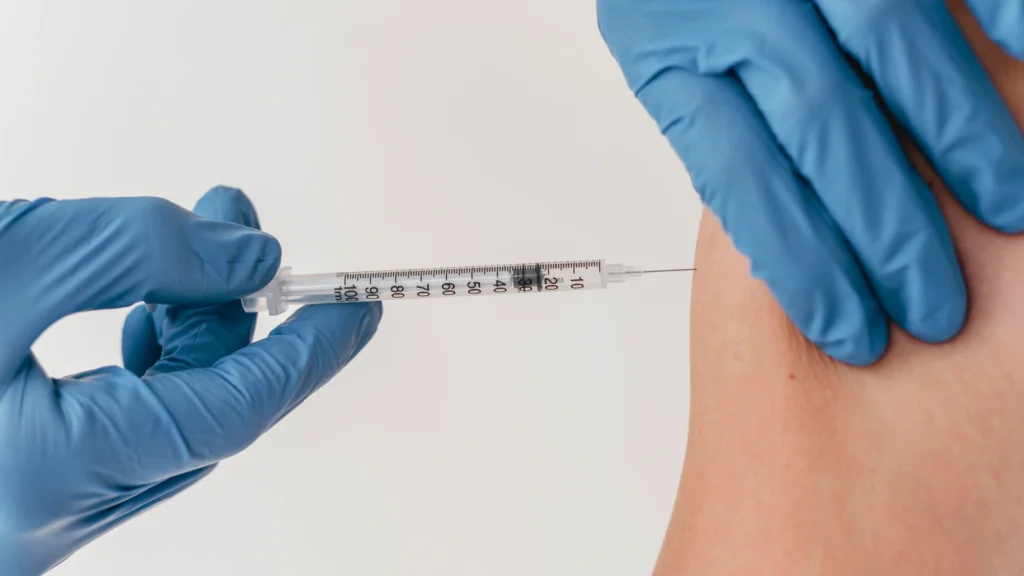
Lipolysis is the body’s natural process of breaking down stored fat into fatty acids and glycerol, which can be used as a source of energy. It takes place primarily in fat cells and becomes more active when your body needs extra fuel, such as during fasting, exercise, or when you’re consuming fewer calories than you burn.
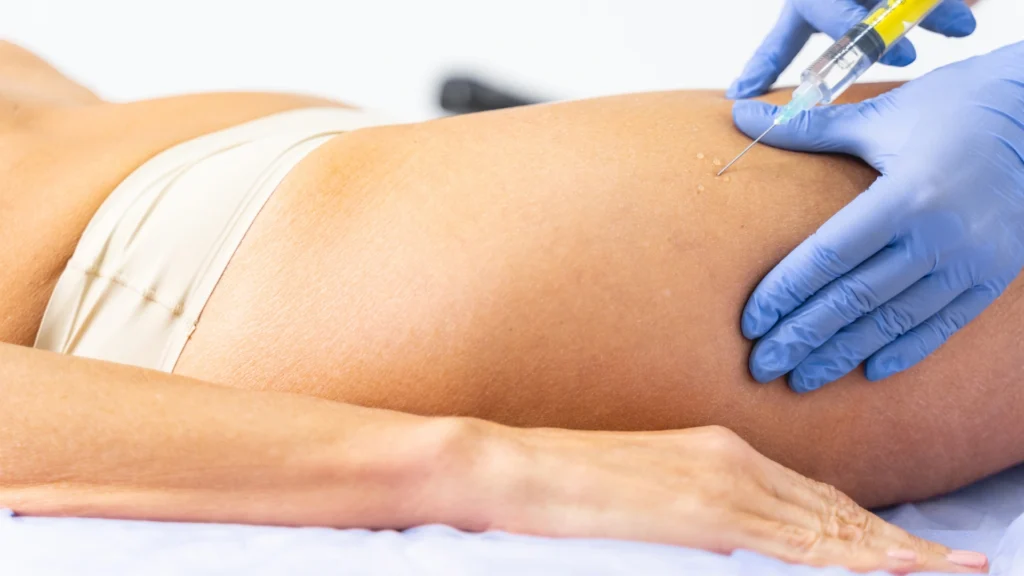
While natural lipolysis happens continuously to help meet your body’s energy needs, the term can also refer to cosmetic treatments that target stubborn fat deposits.
What Is Proteolysis?
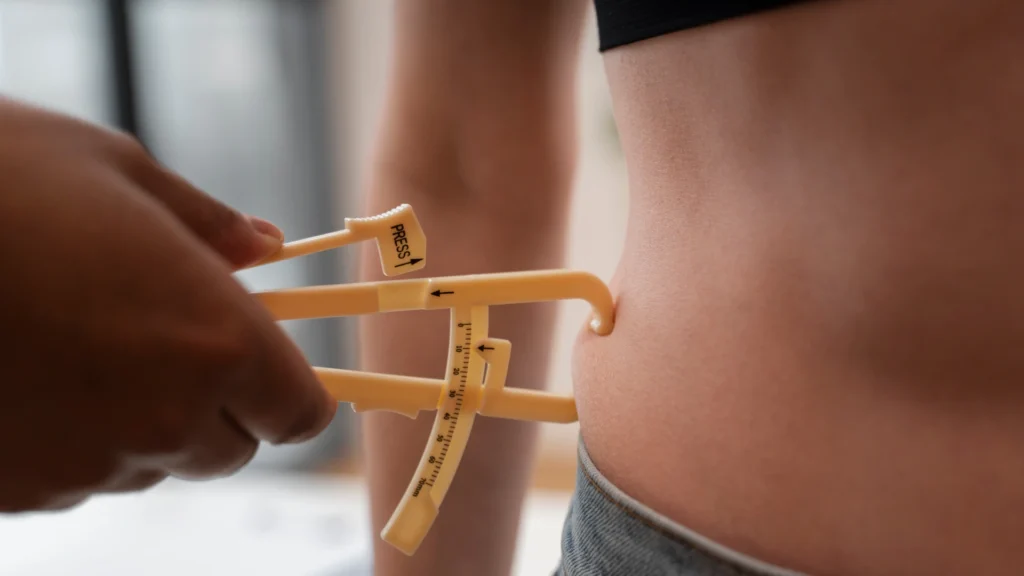
Proteolysis is the process of breaking down proteins into smaller peptides and amino acids. Your body uses this process to remove damaged proteins, recycle amino acids, support tissue repair, and, when necessary, provide an additional source of energy.
Although proteolysis occurs every day as part of normal cell maintenance, it can become more active during prolonged fasting, illness, severe calorie restriction, or intense physical stress when the body requires extra amino acids.
Lipolysis vs Proteolysis: Key Differences

Although lipolysis and proteolysis are both natural metabolic processes, they break down different types of stored nutrients and serve different purposes. Lipolysis releases energy from stored fat, while proteolysis breaks down proteins into amino acids for tissue maintenance, repair, and, in certain situations, energy production.
| Feature | Lipolysis | Proteolysis |
| What it breaks down | Stored fat (triglycerides) | Proteins |
| Main end products | Fatty acids and glycerol | Amino acids and peptides |
| Primary location | Fat cells (adipose tissue) | Muscles and other body tissues |
| Primary purpose | Provide energy from stored fat | Recycle proteins, repair tissues, and supply amino acids |
| Becomes more active during | Fasting, exercise, and calorie deficits | Prolonged fasting, illness, severe calorie restriction, and tissue repair |
| Main hormones involved | Adrenaline, noradrenaline, glucagon, and lower insulin | Cortisol, insulin, growth hormone, and other regulatory signals |
| Can support energy production? | Yes. Fatty acids are used to produce energy. | Yes, but mainly when additional amino acids are needed during prolonged energy shortages. |
One common misconception is that fat and protein compete with each other. In reality, your body uses both processes throughout the day. The difference is in how much each contributes.
Under normal conditions, lipolysis supplies most of the extra energy your body needs, while proteolysis mainly supports routine protein turnover and tissue maintenance.
Protein only becomes a larger energy source during prolonged stress or when energy demands remain unmet for an extended period.
Can Lipolysis and Proteolysis Happen at the Same Time?
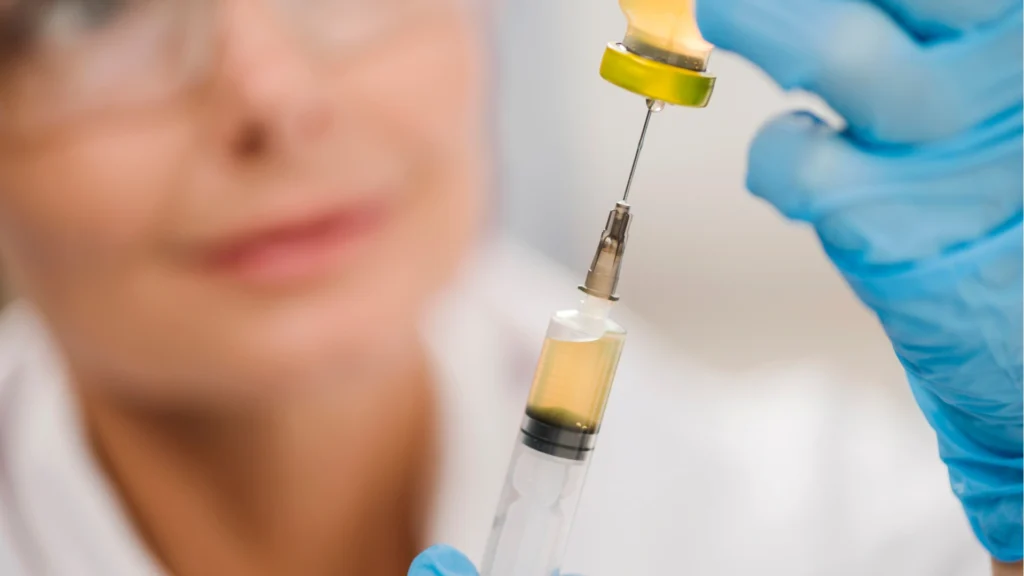
Yes. Lipolysis and proteolysis can happen at the same time because your body is constantly breaking down and rebuilding different types of tissues to meet its changing needs. The difference is how much each process contributes at a given moment.
Under normal conditions, lipolysis provides much of the extra energy your body needs by breaking down stored fat, while proteolysis mainly helps recycle old or damaged proteins and supports tissue repair. During prolonged fasting, intense exercise, illness, or severe calorie restriction, proteolysis may increase to supply additional amino acids when energy demands remain high.
Rather than choosing one process over the other, your metabolism continuously adjusts the balance between fat and protein breakdown. Hormones, food intake, physical activity, and your overall energy status all influence which process becomes more active.
Lipolysis and Proteolysis in Energy Metabolism
Every cell in your body needs energy to function, whether you’re walking, sleeping, or simply breathing. To keep that energy supply steady, your metabolism constantly shifts between different fuel sources depending on what’s available.
Lipolysis and proteolysis are both part of this system, but they don’t contribute equally. Under most conditions, your body prefers to use stored fat to meet additional energy demands because it helps preserve protein for important jobs like maintaining muscles, organs, and other tissues.
Protein becomes a more significant fuel source only when energy needs remain high for an extended period or other sources become limited.
Role During Fasting
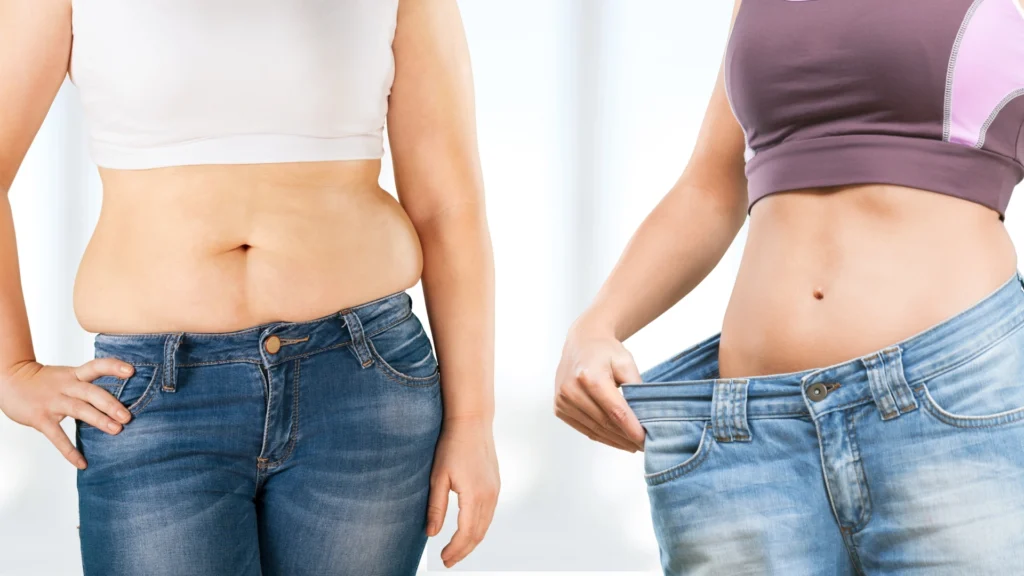
When you stop eating, your body doesn’t immediately begin breaking down large amounts of fat or muscle. It first uses the energy that’s already available, including stored glycogen. As those stores decrease, lipolysis becomes more active and releases fatty acids to help meet your body’s energy needs.
Proteolysis also continues during fasting, but at a much lower level. If fasting lasts longer, protein breakdown gradually increases to provide amino acids that support essential processes, including the production of glucose for tissues that depend on it.
Role During Exercise
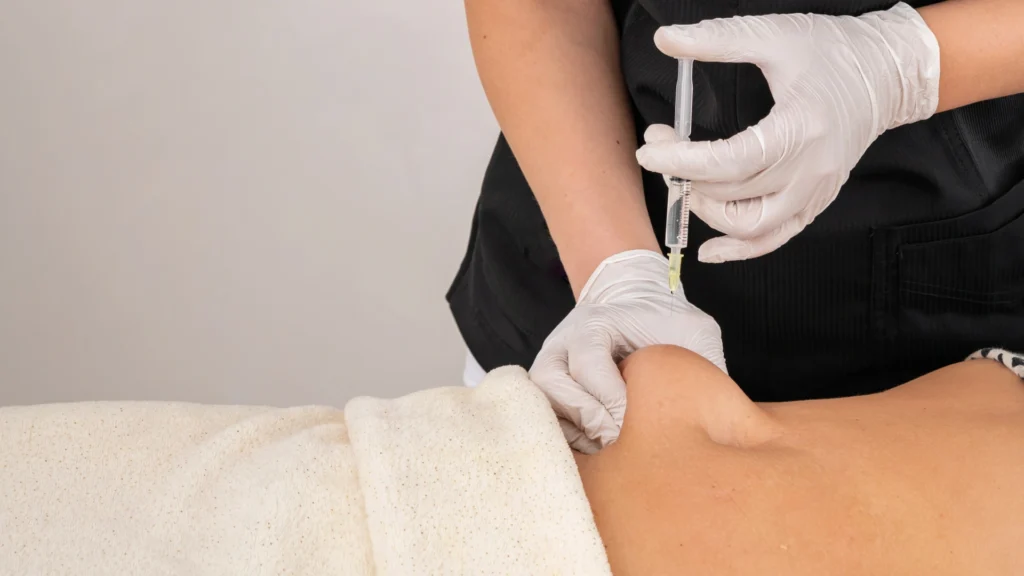
Different types of exercise place different demands on your body.
During longer, lower-intensity activities, lipolysis becomes more active because fat can provide energy over an extended period.
After resistance training or strenuous exercise, proteolysis helps remove damaged muscle proteins so they can be replaced with new ones. This process is part of normal muscle recovery and adaptation.
Role During Weight Loss
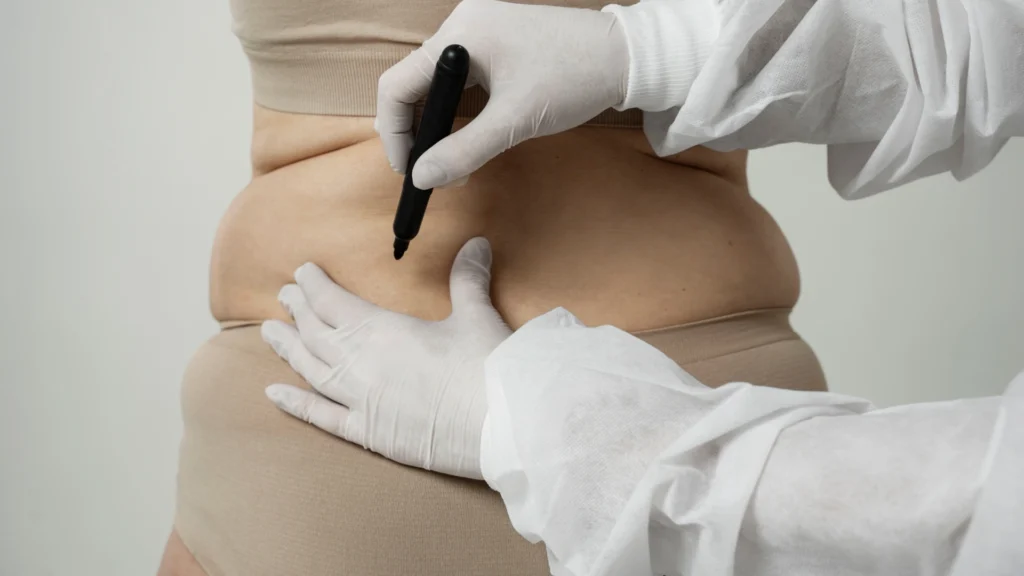
A calorie deficit encourages your body to use stored energy, but the source of that energy isn’t always the same.
When fat stores can meet your energy needs, lipolysis becomes more active. If the calorie deficit is severe, lasts for a long time, or protein intake is too low, proteolysis may also increase as the body looks for additional amino acids.
For this reason, weight loss usually involves both processes, although their contribution can vary from person to person.
How the Body Chooses Between Fat and Protein

Your body constantly evaluates which fuel source best meets its current needs. The balance between lipolysis and proteolysis is influenced by factors such as:
- Food intake: Eating carbohydrates and fats reduces the need to rely on stored energy.
- Hormones: Insulin generally suppresses fat breakdown, while hormones such as glucagon and adrenaline promote lipolysis. Cortisol can increase protein breakdown during prolonged stress.
- Exercise intensity and duration: Longer activities encourage greater fat utilization, while intense or prolonged exercise may increase protein turnover.
- Energy availability: The longer your body goes without enough energy, the more it relies on stored fuels, including fat and, when necessary, protein.
Rather than switching completely from one process to another, your metabolism continuously adjusts both based on your body’s changing needs.
Why Your Body Needs Both Proteolysis and Lipolysis
Your body isn’t designed to rely on a single source of fuel or a single metabolic process. Instead, it uses different systems to respond to changing conditions while keeping essential organs and tissues functioning normally.
Lipolysis helps provide a long-lasting supply of energy by breaking down stored fat. Proteolysis serves a different purpose by recycling proteins into amino acids that are needed to repair tissues, build new proteins, produce enzymes, and support many other biological functions. Although amino acids can also contribute to energy production, that isn’t their primary role.
Having both processes allows your body to remain flexible. It can use stored fat when energy demands increase while continuing to maintain and renew the proteins your body depends on every day. This balance is an important part of normal metabolism and overall health.
When Lipolysis Becomes More Active
Lipolysis increases when your body needs to access stored fat for energy. Common triggers include:
- Fasting or going several hours without eating.
- Exercise, especially longer-duration activities.
- A calorie deficit during weight loss.
- Lower insulin levels after meals have been digested.
- Higher levels of hormones such as adrenaline, noradrenaline, and glucagon.
Lipolysis doesn’t switch on and off. Instead, its activity increases or decreases depending on your body’s energy needs.
When Proteolysis Increases

Proteolysis is always occurring at a low level to recycle proteins, but it becomes more active under certain conditions, including:
- Prolonged fasting.
- Severe calorie restriction.
- Intense or prolonged physical stress.
- Illness, injury, or recovery from surgery.
- Higher cortisol levels during periods of physical stress.
Although increased proteolysis can help the body adapt to these situations, excessive protein breakdown over time may contribute to muscle loss if it isn’t balanced by adequate nutrition and recovery.
How Aesthetic Lipolysis Differs From Natural Lipolysis
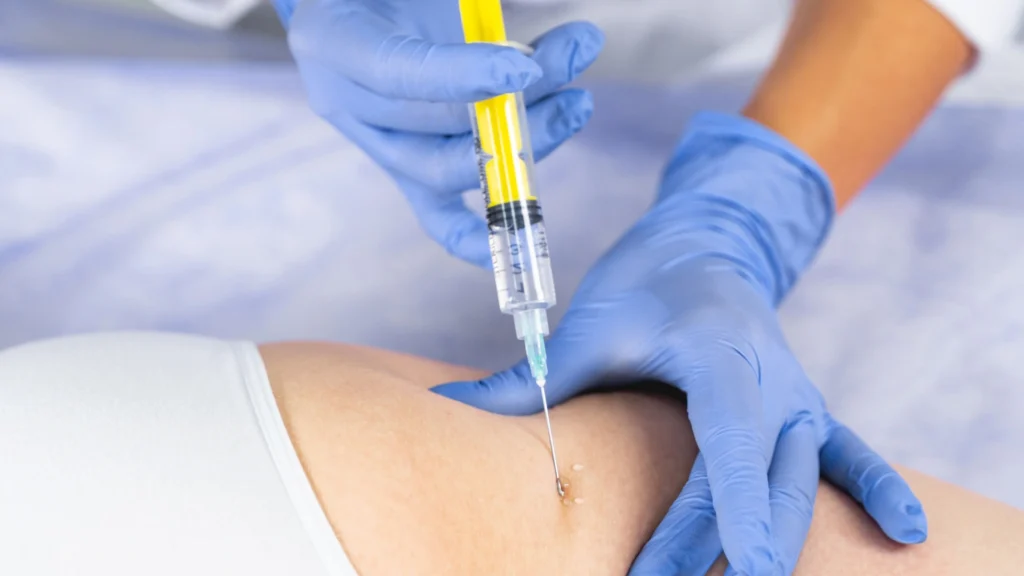
Throughout this guide, we’ve discussed natural lipolysis, which is the body’s normal process of breaking down stored fat to meet its energy needs. This process happens continuously and is regulated by hormones, food intake, and physical activity.
Aesthetic lipolysis is different. Instead of relying on your body’s metabolism alone, these treatments use medical technologies or injectable solutions to target localized fat deposits. The goal is body contouring by reducing stubborn pockets of fat that may not respond well to diet and exercise.
Unlike natural lipolysis, aesthetic lipolysis does not replace healthy eating or regular physical activity. It is designed to complement a healthy lifestyle by addressing specific treatment areas rather than promoting overall weight loss.
If you’re considering a cosmetic fat reduction procedure, understanding the difference between these two forms of lipolysis can help you choose the treatment that’s most appropriate for your goals.
Looking to Reduce Stubborn Fat Without Losing Muscle?
Understanding how your body uses fat and protein can help you make more informed decisions about weight management and body contouring.
While natural lipolysis supports your body’s everyday energy needs, some stubborn fat deposits may remain despite a healthy diet and regular exercise.

If you’re looking to target localized fat that hasn’t responded to lifestyle changes, The Beauty Lounge Toronto offers professional lipolysis treatments tailored to your individual goals.
Book a consultation to know the right treatment for yourself, or contact our team to discuss your options and create a personalized treatment plan.
FAQs
Several hormones help regulate these processes. Lipolysis is mainly influenced by insulin, glucagon, adrenaline, and noradrenaline, while proteolysis is affected by hormones such as cortisol, insulin, and growth hormone. Their combined effects help determine whether the body prioritizes fat breakdown, protein turnover, or energy storage.
No single food can directly switch on lipolysis. Instead, overall eating habits, calorie balance, and physical activity have a much greater influence. A balanced diet that supports healthy metabolism, combined with regular exercise, can help create the conditions in which natural lipolysis becomes more active.
Yes. As people age, hormonal changes, reduced muscle mass, and lower physical activity can affect both fat and protein metabolism. Although these processes continue throughout life, their efficiency and regulation may change, making healthy nutrition and regular exercise increasingly important.
Dehydration does not directly activate lipolysis or proteolysis, but it can affect overall metabolism and physical performance. Staying well hydrated supports normal cellular function, circulation, and exercise capacity, all of which contribute to healthy metabolic processes.