
Lipolysis vs Gluconeogenesis: Key Differences You Should Know
Imagine you’re on a long road trip when your phone battery drops to 1%.
You don’t panic.
You simply switch on battery saver mode and keep using it for what matters most.
Your body does something surprisingly similar.
Have you ever wondered what happens when the body starts running low on energy?
Does it only burn stored fat?
Or does it have another way to keep you going?
When fuel from food starts running low, your body doesn’t shut down.
Instead, it switches to backup systems that help you keep going.
That’s where many people become confused about lipolysis vs gluconeogenesis. Because these processes often work at the same time, it’s easy to think they do the same thing.
They don’t.
One breaks down stored fat to make fatty acids available as fuel.
The other makes new glucose to support your brain and other vital organs.
In this guide, you’ll learn the key differences between lipolysis and gluconeogenesis and understand how these two processes work together to keep your body fueled.
What is Lipolysis?
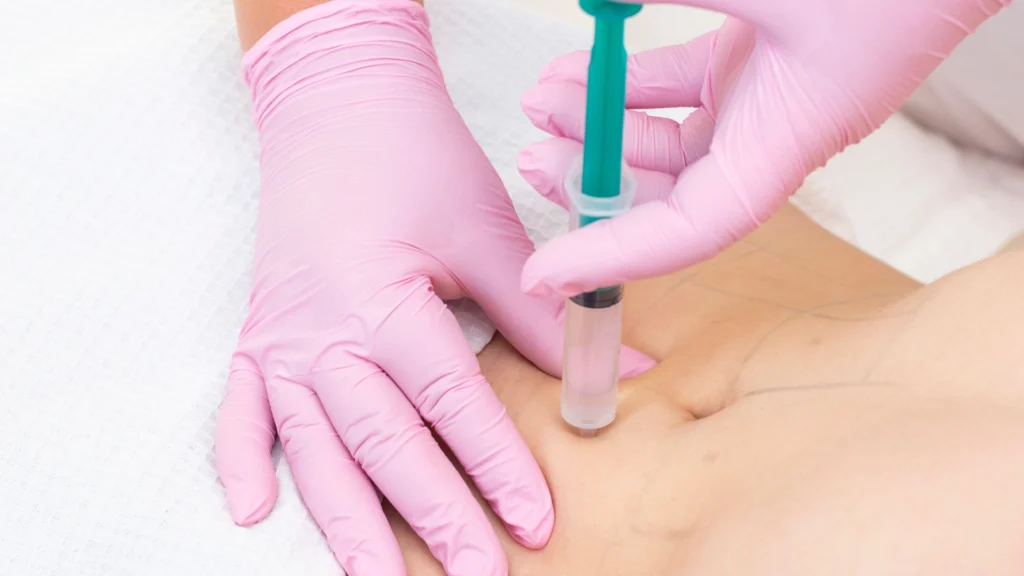
Lipolysis is the natural process of breaking down stored triglycerides into free fatty acids and glycerol. These products can then be used by the body for energy or other metabolic processes. You can think of it as unlocking a fuel reserve whenever food isn’t immediately available.
This process becomes more active during fasting, exercise, longer gaps between meals, or when you’re eating fewer calories than usual. As fuel from food begins to decrease, metabolism gradually shifts toward using fat reserves.
Lipolysis is one of the reasons your metabolism can continue supplying fuel between meals without constant food intake. While it doesn’t work alone, it plays an important role in making fat available whenever extra fuel is needed.
What is Gluconeogenesis?
Breaking down fat is only part of the story.
Even when fat reserves are being used for fuel, certain tissues, especially the brain, still require some glucose. That’s where gluconeogenesis becomes important.
Gluconeogenesis is the natural process of producing new glucose when dietary carbohydrates are limited. Instead of relying only on food intake, the body uses alternative sources to maintain stable blood sugar levels and support essential functions.
This process occurs mainly in the liver and becomes more active during fasting, prolonged exercise, or low-carbohydrate intake.
Lipolysis vs Gluconeogenesis: Key Differences Explained

Lipolysis unlocks stored fat so your body can use it as fuel. Gluconeogenesis creates new glucose when your body still needs sugar for essential functions.
Rather than competing with each other, these processes work as partners. One provides fat-based fuel, while the other helps maintain healthy blood glucose levels.
Let’s look at lipolysis and gluconeogenesis and understand how these two processes differ, especially when the body shifts into low food or fasting conditions.
Purpose of Each Metabolic Process
The easiest way to understand gluconeogenesis and lipolysis is to focus on what each process is designed to do. Although both support normal metabolism, they solve different problems when food isn’t readily available.
Lipolysis: Releasing Fat Reserves

Lipolysis allows the body to access fat reserves when the supply of nutrients from food begins to decrease. During the lipolysis process, triglycerides are broken down into fatty acids and glycerol, making them available for later use.
Its primary functions include:
- Breaking down fat reserves during fasting or exercise
- Supplying fatty acids that can be used for fuel
- Reducing dependence on recently eaten food
Rather than creating energy, lipolysis simply makes stored fuel available whenever it’s needed.
Gluconeogenesis: Producing New Glucose
Even while fat reserves are being used, certain organs, especially the brain, continue to require glucose. Gluconeogenesis fills that gap by producing new glucose when carbohydrate intake is low.
Its primary functions include:
- Creating glucose from non-carbohydrate sources
- Helping keep blood sugar within a healthy range
- Supporting organs that depend on a continuous glucose supply
Simply put, lipolysis makes fat available as fuel, while gluconeogenesis ensures glucose remains available for essential functions. Together, they help the body adapt when food intake is limited.
Where Each Process Occurs

Location is another simple but important difference in lipolysis vs gluconeogenesis.
Lipolysis mainly happens in fat tissue. This is where stored fat is broken down and released into the bloodstream to be used as fuel.
Gluconeogenesis takes place primarily in the liver. During longer periods without food, the kidneys also contribute to producing glucose.
A simple way to remember the difference:
➜ Fat tissue: Stores and releases fat reserves
➜ Liver: Produces new glucose when needed
Although they happen in different locations, both processes work together to ensure a steady supply of fuel between meals, during fasting, and throughout longer periods without eating.
Energy Requirements of Each Process
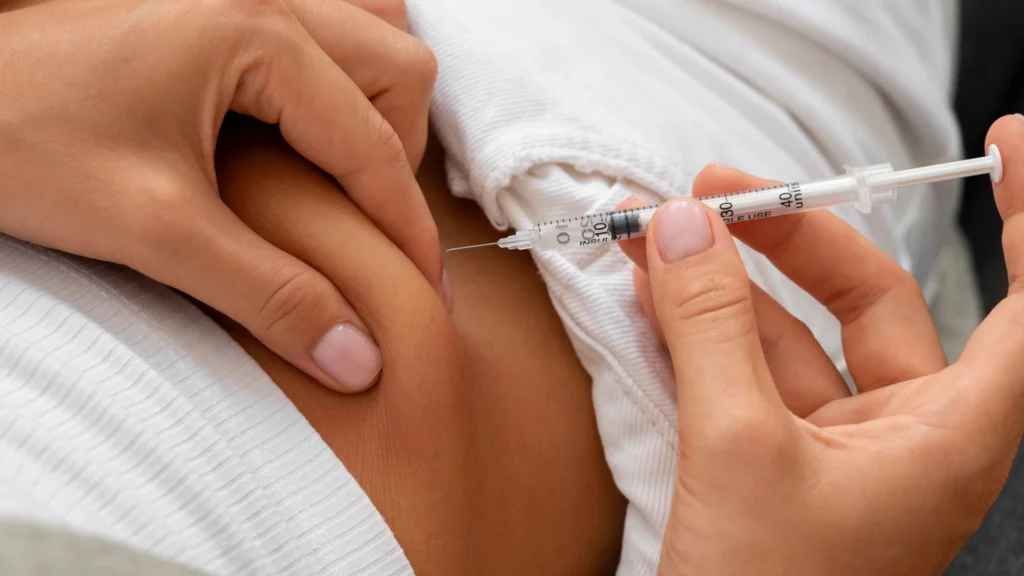
Lipolysis and gluconeogenesis differ in how much energy they require to perform their roles.
Lipolysis breaks down stored triglycerides into free fatty acids and glycerol. The lipolysis reaction itself does not require ATP to break down stored fat. Instead, it makes these molecules available for later use.
Gluconeogenesis is different. It requires energy in the form of ATP and GTP to build new glucose molecules from non-carbohydrate sources. Although this process consumes energy, it helps maintain blood glucose levels when dietary carbohydrates are limited.
A simple way to think about it:
Lipolysis is like withdrawing money from your savings account.
Gluconeogenesis is like manufacturing new supplies when your warehouse starts running low.
Both are important. Once you understand lipolysis and gluconeogenesis, it’s easier to see how both processes work together to keep your metabolism running smoothly.
When Each Process Becomes Active

Gluconeogenesis and lipolysis don’t run at the same level all day. Instead, they adjust based on whether you’ve recently eaten or have gone several hours without food.
Think about your daily routine.
Right after a meal, nutrients from food are readily available, so there’s little need to tap into fat reserves or make new glucose. Everything needed for normal activity is already circulating in the bloodstream.
As those nutrients begin to decline, the balance gradually shifts. Lipolysis starts breaking down fat reserves, releasing fatty acids that can be used as fuel, while gluconeogenesis increases glucose production to help keep blood sugar steady for organs that depend on it.
Here’s a simple timeline to make it easier to understand.
| Situation | Lipolysis | Gluconeogenesis |
| Shortly after eating | Low | Low |
| Between meals | Gradually increases | Slightly increases |
| Overnight fasting | Moderate | Moderate |
| Prolonged fasting | High | High |
| Long-duration exercise | High | Moderate to High |
Rather than replacing each other, these pathways adjust based on changing needs. That’s one of the biggest differences when comparing lipolysis or gluconeogenesis.
How Lipolysis and Gluconeogenesis Work Together
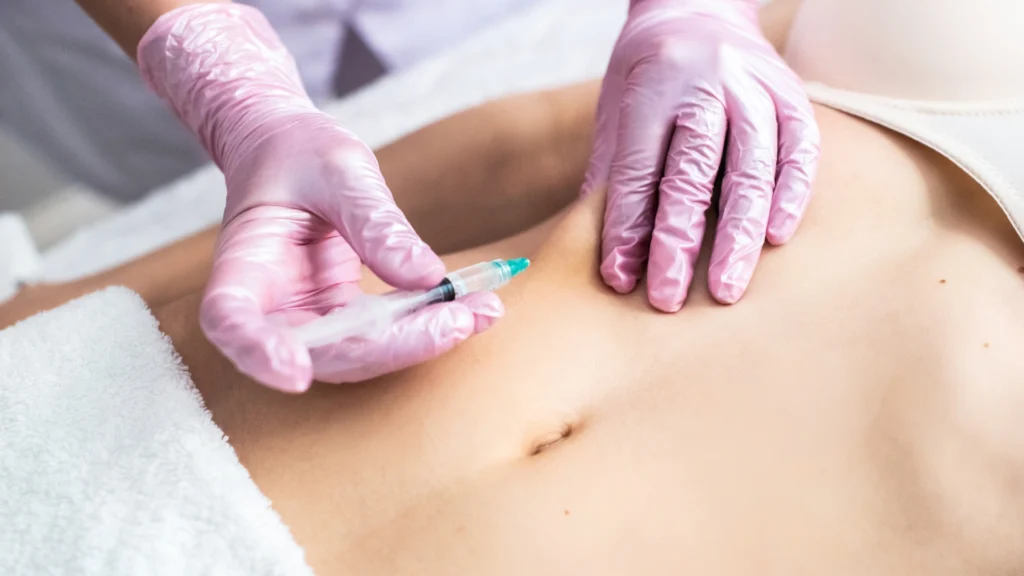
These two processes don’t work independently. Instead, they support each other whenever food isn’t readily available.
Lipolysis breaks down fat reserves into fatty acids and glycerol. The fatty acids become available as fuel, while glycerol can help support gluconeogenesis. At the same time, gluconeogenesis produces glucose for organs, such as the brain, that continue to depend on it.
Think of them as two teammates with different responsibilities. One helps make fat available for fuel, while the other ensures glucose is still available when it’s needed most.
Together, they allow the body to adapt smoothly during fasting, exercise, or lower carbohydrate intake.
Lipolysis or Gluconeogenesis in Different Metabolic States

One of the easiest ways to understand lipolysis vs gluconeogenesis is to see how these processes respond to everyday situations. They don’t stay at the same level all day. Instead, they adjust naturally based on when you eat, how active you are, and how long you’ve gone without food.
Let’s see how gluconeogenesis and lipolysis respond in different metabolic states.
- After eating: Nutrients from a meal are readily available, so there’s little need to break down fat reserves or produce additional glucose.
- During fasting: As more time passes between meals, lipolysis becomes more active to release fat for fuel, while gluconeogenesis increases to help keep blood sugar steady.
- During exercise: Physical activity increases fuel demands. Fat reserves are used more efficiently, and glucose production may also rise depending on how long and how intensely you exercise.
- Low-carbohydrate intake: With fewer carbohydrates available, reliance on fat increases while gluconeogenesis continues producing glucose for organs that still depend on it.
These adjustments happen gradually throughout the day, allowing metabolism to respond smoothly as eating patterns and activity levels change.
Lipolysis vs Gluconeogenesis During Weight Loss
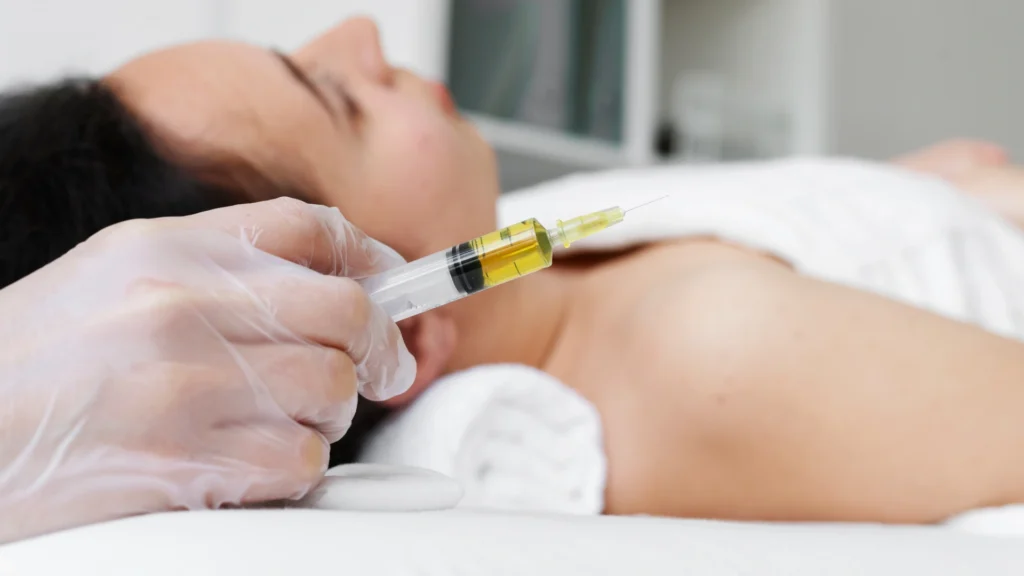
During weight loss, gluconeogenesis and lipolysis work together to help the body adapt to a lower calorie intake. Lipolysis increases, breaking down body fat into fatty acids and glycerol. The fatty acids are then used as fuel, supporting fat loss over time.
At the same time, gluconeogenesis continues producing glucose to help keep essential organs, especially the brain, functioning properly.
The key difference is that lipolysis focuses on making fat available for fuel, while gluconeogenesis produces glucose when it’s needed.
Together, they help the body adapt to a calorie deficit while supporting essential functions.
Lipolysis and Gluconeogenesis in Diabetes

Insulin acts like the body’s natural control system. In a healthy metabolism, insulin inhibits lipolysis and gluconeogenesis, helping prevent unnecessary fat breakdown and excess glucose production when they’re not needed.
In diabetes, this control becomes less effective. As a result, both may remain more active than they should, making blood sugar harder to manage and affecting normal metabolic function.
This is why healthy insulin activity is so important. It helps keep both processes in balance and supports stable blood sugar levels over time.
How Cortisol Affects Lipolysis and Gluconeogenesis
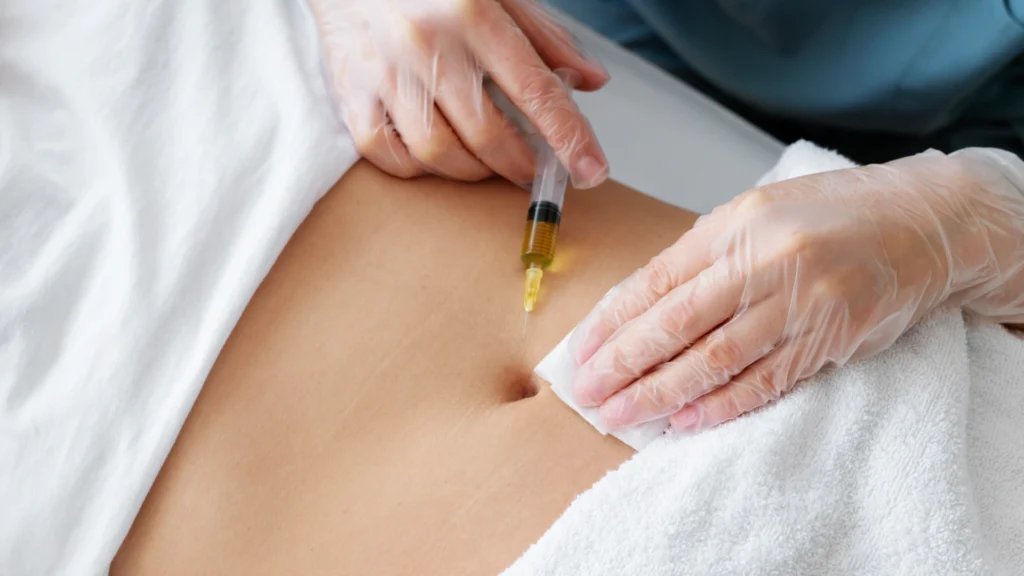
Cortisol is another hormone that influences energy metabolism, particularly during prolonged stress or fasting.
Cortisol is a hormone, not an enzyme. Instead of acting as an enzyme itself, it increases the activity and expression of several enzymes involved in gluconeogenesis while also promoting lipolysis and protein breakdown (proteolysis).
Together, these effects help maintain blood glucose levels by making more glucose and alternative fuel sources available when the body is under stress.
Common Myths About Lipolysis vs Gluconeogenesis

When it comes to energy metabolism, a lot of confusion comes from simplified explanations. People often mix up fat breakdown, glucose production, and how the body actually manages fuel throughout the day.
Let’s clear up a few common myths so everything feels easier to understand.
Myth 1: Burning fat means you’re doing lipolysis, while burning sugar means you’re doing gluconeogenesis
It’s easy to assume that fat use and glucose production are completely separate systems.
The reality: Your body doesn’t switch like a light. It often uses lipolysis and glucose production together. During fasting or low-carbohydrate intake, lipolysis breaks down fat reserves while gluconeogenesis continues producing glucose to help keep blood sugar steady.
Myth 2: All body fat can be directly turned into glucose
This is a common misunderstanding.
The reality: Only the glycerol portion of triglycerides can be converted into glucose through gluconeogenesis. Most fatty acids cannot be converted into glucose and are instead used as fuel to produce energy.
Myth 3: Gluconeogenesis only happens during starvation
Many think glucose production only starts in extreme conditions.
The reality: It remains active at a low level, increasing during fasting, exercise, or sleep to support normal glucose levels. It’s not an emergency response. It’s a regular maintenance function.
Myth 4: Lipolysis and gluconeogenesis are the same process
Because both help your body produce energy, many people think they’re the same thing.
The reality: Lipolysis breaks down stored fat into fatty acids and glycerol, while gluconeogenesis makes new glucose from glycerol, lactate, and certain amino acids. They work together but have different roles.
Myth 5: If lipolysis increases, gluconeogenesis automatically increases too
It sounds logical that if one process speeds up, the other must always do the same.
The reality: Lipolysis and gluconeogenesis are regulated independently. Hormones, nutrient availability, and your body’s energy needs determine how much each process increases at any given time.
Understanding these differences makes lipolysis gluconeogenesis much easier to follow. Instead of thinking in simple “fat and sugar” terms, it helps to see how your body constantly adjusts both systems to keep energy stable throughout the day.
See If Lipolysis Is the Right Next Step for You
No two bodies work exactly the same, and that’s perfectly normal. If you’ve been learning about lipolysis and gluconeogenesis, you may have noticed that your body manages fat stores and blood sugar in its own way. That’s why copying someone else’s routine doesn’t always give you the same results.
Understanding lipolysis vs gluconeogenesis is only the first step. If you’re exploring medical weight loss or lipolysis treatments, professional guidance can help you choose the safest and most effective approach for your goals.

At The Beauty Lounge Toronto, every consultation is based on your individual needs and goals. If you’re considering lipolysis treatment as part of your health or medical weight loss journey, the team will explain your options, answer your questions, and help you choose a plan that fits your daily life.
Book your consultation today and get expert support to help you move closer to your health and weight loss goals.
FAQs
Yes. Gluconeogenesis and lipolysis often happen together, especially during fasting, exercise, or a low-carbohydrate diet. Lipolysis breaks down fat reserves into fatty acids for fuel. At the same time, gluconeogenesis produces glucose to support the brain and other organs that continue depending on it.
When either process doesn’t work properly, metabolism becomes less efficient. Fat breakdown or glucose production may not respond as expected. This can affect blood sugar balance and overall energy use. Hormonal imbalances, diabetes, and other metabolic conditions are common causes of these changes.
Yes. Eating fewer carbohydrates generally increases both lipolysis and gluconeogenesis. Lipolysis breaks down fat reserves into fatty acids for fuel, while gluconeogenesis produces glucose to support the brain and other organs that still depend on a steady glucose supply.
When comparing lipolysis and gluconeogenesis, neither process is better because each serves a different purpose. Lipolysis breaks down fat reserves, making fatty acids available for fuel. Gluconeogenesis produces glucose when carbohydrate intake is low. Together, they support normal metabolism by meeting the body’s changing fuel requirements.
Burning fat alone isn’t enough to support every organ. Even when lipolysis is active, the brain still needs glucose. Gluconeogenesis produces new glucose, helping essential organs function properly during fasting, prolonged exercise, or low-carbohydrate intake. This keeps critical functions running smoothly every day when needed.