
Lipolysis vs Beta Oxidation: What’s the Difference?
Lipolysis vs beta oxidation is a topic many people search when fat loss feels slow or results do not match their efforts. Even with a healthy diet and regular exercise, stubborn fat can remain in areas like the abdomen, thighs, or arms, which can feel frustrating.
A common concern is not knowing how the body actually breaks down fat. Many assume fat loss happens in one simple step, but in reality, it involves multiple biological processes working at different stages.
This confusion often leads to doubts about metabolism, lifestyle habits, or whether treatments are truly effective. For many people, especially those exploring lipolysis treatment to reduce stubborn fat, the science behind fat breakdown can feel unclear.
Lipolysis and beta oxidation explain how stored fat is released and then converted into usable energy. Knowing the difference between these two natural processes makes it easier to see how fat metabolism works and why results can vary from one person to another.
What is Lipolysis?
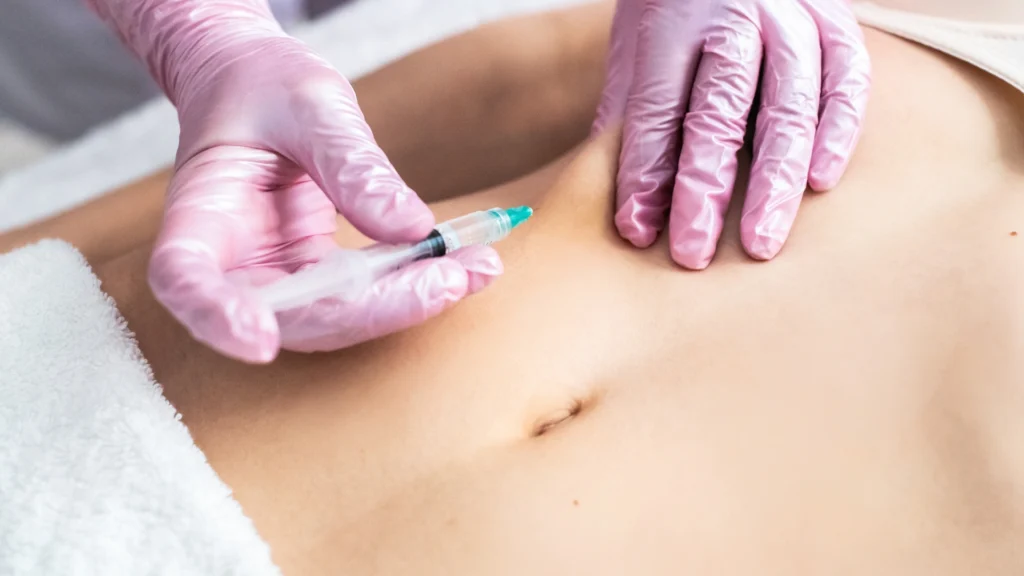
Lipolysis is the body’s natural process of breaking down stored fat into smaller molecules that can be used for fuel. During lipolysis, triglycerides stored in fat cells (adipose tissue) are split into free fatty acids and glycerol.
This process is activated by hormones such as glucagon and epinephrine, especially during fasting, exercise, or a calorie deficit, when your body needs an additional source of fuel.
Once released, the free fatty acids travel through the bloodstream to muscles and other tissues, where they are used to produce energy. Meanwhile, glycerol is transported to the liver, where it can help support glucose production and other normal metabolic functions.
What is Beta Oxidation?
Beta oxidation is the process your body uses to “burn fat” for energy.
Once fat is broken down into fatty acids, these fatty acids enter your cells and get transported into the energy-producing parts of the cell (mitochondria). There, they are gradually chopped into small pieces called acetyl-CoA.
You can think of it like cutting a long fatty acid chain into small, usable “energy blocks” similar to slicing a long sushi roll into bite-sized pieces.
These acetyl-CoA pieces then enter the Krebs cycle (also called the energy cycle) where they are converted into ATP, which is the body’s main energy source. At the same time, the glycerol part of fat can be used by the liver to make glucose if needed.
Beta Oxidation vs Lipolysis: Understanding the Key Differences
When people talk about fat loss, they often mix up two important body processes. But in reality, beta oxidation vs lipolysis are not the same. They work like a team, but each one has a different job.
In simple terms, lipolysis beta oxidation are two steps your body uses to turn stored fat into energy. First, fat is released from storage. Then it is burned inside cells to produce energy (ATP).
Let’s understand this:
Biological Purpose, Location and Site of Action

Lipolysis vs beta oxidation are two connected stages of fat metabolism that work together to convert fat reserves into usable energy. Although they are closely linked, each has a distinct role in how your body releases and uses fat to support normal cellular function.
| Feature | Lipolysis | Beta Oxidation |
| Biological Purpose | Mobilizes fat reserves by converting triglycerides into free fatty acids and glycerol | Converts free fatty acids into ATP for cellular function |
| Location / Site of Action | Cytoplasm (cytosol) of adipose tissue and liver | Mitochondrial matrix of muscle, heart, and liver cells |
| Mechanism | Hormone-activated enzymes (ATGL and HSL) split triglycerides | Carnitine shuttle transports fatty acids, followed by a four-step cycle that forms acetyl-CoA |
| Outcome | Delivers free fatty acids into the bloodstream and glycerol to the liver | Generates acetyl-CoA, NADH, and FADH₂ for ATP production |
These two stages make fat metabolism much easier to follow. Lipolysis makes fatty acids available by breaking down triglycerides, while beta oxidation uses those fatty acids inside the mitochondria to support ATP production and normal cellular function.
Starting Substrate and Final Products

When comparing lipolysis and beta oxidation, the key difference lies in what each stage starts with and what it produces.
During lipolysis, stored triglycerides are converted into glycerol and free fatty acids (FFAs). At this point, fat becomes available for use as fuel. Glycerol travels to the liver for further metabolism, while the released fatty acids circulate through the bloodstream to reach tissues that need them.
Beta oxidation starts with activated fatty acids (Acyl-CoA) inside the mitochondria. These molecules are gradually converted into acetyl-CoA, NADH, and FADH₂, which are then used to generate ATP, the cell’s primary source of energy.
Energy Production and Oxygen Requirement
Lipolysis does not directly produce ATP. Instead, it releases fat reserves so they are available when needed. At this point, no ATP is generated, and oxygen is not required because this step is controlled by hormones and specialized enzymes rather than aerobic respiration. It serves as the preparation phase that makes fat available for later use.
In contrast, beta oxidation is where fatty acids are converted into acetyl-CoA, NADH, and FADH₂ inside the mitochondria. These molecules are then used to generate ATP, supplying cells with the fuel they need to function.
Unlike lipolysis, this pathway relies on oxygen because the electron transport chain requires it to efficiently produce ATP.
Overall, lipolysis beta oxidation represents two connected stages of fat metabolism. The first makes fat available for use, while the second converts it into usable cellular fuel through oxygen-dependent reactions.
Enzymes Involved and Hormonal Regulation
Although lipolysis and beta oxidation are closely connected, they rely on different enzymes and hormonal signals to perform their roles. The table below compares how each pathway is regulated and the key enzymes involved at every stage.
| Feature | Lipolysis | Beta Oxidation |
| Overview | Releases fat reserves from adipose tissue by converting stored triglycerides into free fatty acids and glycerol. | Converts released fatty acids into acetyl-CoA inside the mitochondria to generate ATP. |
| Key Enzymes | ATGL: Initiates triglyceride breakdown.HSL: Continues the conversion into smaller lipid molecules.MGL: Completes the reaction by releasing free fatty acids and glycerol. | Acyl-CoA Synthetase: Activates fatty acids for metabolism.CPT-I & CPT-II: Transport long-chain fatty acids into the mitochondria.Oxidation enzymes: Convert Acyl-CoA into acetyl-CoA through a series of reactions. |
| Hormonal Regulation | Activity increases during fasting, exercise, or stress. Hormones such as glucagon, epinephrine, norepinephrine, and growth hormone stimulate this pathway, while insulin slows it by promoting fat storage. | Activity increases when cells require additional fuel, particularly during fasting or physical activity. Glucagon, epinephrine, and cortisol support fatty acid transport into the mitochondria, whereas insulin reduces this activity by encouraging nutrient storage. |
Both pathways play distinct roles within fat metabolism. Lipolysis makes fat available for use, while beta oxidation converts those molecules into ATP inside the mitochondria. Together, they help support normal metabolism and efficient cellular function.
Why Understanding Lipolysis and Beta Oxidation Matters
Beta oxidation vs lipolysis are both essential parts of fat metabolism, but each serves a different purpose. While lipolysis makes fatty acids available by breaking down triglycerides, beta oxidation converts those fatty acids into ATP inside the mitochondria to support normal cellular function.
Many people ask, is lipolysis the same as beta oxidation? The answer is no. They are separate metabolic processes that work one after another to help the body use fat efficiently.
Knowing the difference between these pathways explains how the body adapts during exercise, fasting, and calorie restriction. It also provides valuable insight into metabolism, energy production, and healthy fat utilization.
Lipolysis vs Beta Oxidation: Quick Comparison

To understand how stored fat becomes usable energy, it is important to clearly separate the early release stage from the energy conversion stage. This comparison makes the difference much easier to understand in a simple, structured way.
| Feature | Lipolysis | Beta Oxidation |
| Primary Role | Mobilization | Conversion |
| Cellular Location | Adipocytes | Mitochondrial matrix |
| Initial Input | Triglyceride reserves | Fatty acid chains |
| Final Output | Free fatty acids + glycerol | Acetyl-CoA + ATP |
| Energy Yield | None | High |
| Oxygen Dependence | Indirect | Direct requirement |
| Trigger Signal | Hormonal shift | Cellular demand |
| Functional Stage | Release phase | Utilization phase |
| Transport Requirement | Blood circulation | Carnitine shuttle system |
| Metabolic Outcome | Availability increase | Energy synthesis |
This comparison shows a clear difference. Lipolysis frees fat from storage. Beta oxidation burns that fat for energy. Both steps are needed for full fat use. Without proper balance between these two processes, fat cannot be fully converted into energy. That is why lipolysis and beta oxidation always work together in a complete metabolic pathway.
Lipolysis and Beta Oxidation: How They Work Together

Although they have different functions, lipolysis vs beta oxidation are closely connected within the fat metabolism pathway. The lipolysis process begins when triglycerides are broken down into fatty acids and glycerol. These fatty acids then travel through the bloodstream to tissues that require fuel.
Inside the mitochondria, beta oxidation converts the fatty acids into acetyl-CoA, NADH, and FADH₂, which are later used to produce ATP. This continuous sequence allows cells to support movement, organ function, and other metabolic activities.
Rather than working independently, lipolysis beta oxidation represents two consecutive stages that enable the body to use fat efficiently whenever additional energy is needed.
Lipolysis vs Beta Oxidation During Different Metabolic States

The behavior of lipolysis and beta oxidation is not fixed in the body. It changes based on energy needs, food intake, and activity level. The body constantly shifts between storing fuel and fat reserves. This flexibility helps maintain energy balance in every situation.
After Eating
After food intake, the body enters a storage phase. Insulin levels rise, and incoming nutrients become the main energy source. During this time, stored lipids breakdown becomes less active. Energy is mainly derived from dietary glucose, so fat utilization remains low.
During Fasting
When food is not consumed for a period, the body starts relying on internal reserves. Stored fat becomes more available, and fatty acids are released into circulation. Cells then increase their ability to convert these molecules into energy to maintain normal function.
During Exercise
Physical activity increases energy demand quickly. The body responds by mobilizing stored fuel more aggressively. Fat is released from storage and transported to working muscles. Energy conversion inside cells also becomes faster to support movement and endurance.
During Low-carbohydrate Diets
When carbohydrate intake drops, the body gradually shifts its fuel preference. It begins to depend more on fat-based energy sources. Stored reserves are used more frequently, and internal energy production adjusts to maintain stability without relying heavily on glucose.
During Starvation
In prolonged energy shortage, survival becomes the priority. The body relies heavily on triglyceride stores to sustain vital functions. Both release and energy conversion processes remain active to support essential organs and maintain basic metabolic activity for survival.
Beta oxidation and lipolysis show how the body adjusts energy use in different situations. Fat is either stored or burned depending on need, keeping energy balance stable.
Lipolysis and Beta Oxidation for Fat Loss
Fat loss happens when the body can both release fatty acids and convert them into usable energy. This is where lipolysis and beta oxidation work together. Lipolysis breaks down triglycerides into fatty acids, making them available for use. Beta oxidation then converts those fatty acids into energy inside the cells.
- Lipolysis releases fatty acids from triglycerides.
- Beta oxidation converts those fatty acids into cellular energy.
- Both processes are essential for efficient fat utilization.
- Regular exercise and a calorie deficit help support these natural pathways.
- A healthy metabolism helps the body use fatty acids more effectively over time.
When lipolysis vs beta oxidation for fat loss work efficiently together, the body can convert released fatty acids into usable energy more effectively, supporting gradual and sustainable fat reduction.into energy, supporting gradual and sustainable fat reduction.
Want to Choose the Right Fat Reduction Treatment?
Knowing the difference between lipolysis vs beta oxidation can help you make more informed choices about fat reduction. These natural processes explain how the body releases stored fat and converts it into energy. However, factors like your metabolism, lifestyle, and body composition all influence the results you achieve.
There is no single treatment that works for everyone. The best results come from choosing an approach that matches your goals and supports your body’s natural fat-burning process. A personalized treatment plan can make your fat reduction journey more effective and realistic.

At The Beauty Lounge Toronto, we focus on creating customized treatment plans based on your unique needs. Our team carefully evaluates your concerns, answers your questions, and recommends non-surgical fat reduction options that align with your goals for natural-looking results.
Ready to take the next step? Book your consultation today and let our experienced team help you find the right fat reduction solution for your body and lifestyle.
FAQs
Yes. Beta oxidation vs lipolysis can occur at the same time. Lipolysis first releases fatty acids from stored fat. Those fatty acids are then used during beta oxidation to produce energy. These two processes work together whenever your body needs extra fuel.
No. Lipolysis is not the same as beta oxidation. At this point stored fat from fat cells, while beta oxidation converts those fatty acids into energy inside the mitochondria. They are different processes, but both are essential for effective fat utilization.
The carnitine shuttle helps connect lipolysis and beta oxidation. After lipolysis releases fatty acids, it transports long-chain fatty acids into the mitochondria. This allows beta oxidation to convert them into energy. Without the carnitine shuttle, fat cannot be burned efficiently.
Insulin controls how the body uses stored fat. High insulin levels reduce lipolysis and beta oxidation by slowing fat release and encouraging fat storage. When insulin levels decrease, the body releases more fatty acids and increases fat burning for energy.
After lipolysis releases fatty acids, the liver and skeletal muscles use them most for beta oxidation. These organs convert fatty acids into energy to support movement, maintain normal body functions, and meet increased energy demands during fasting, exercise, or low-carbohydrate intake.